
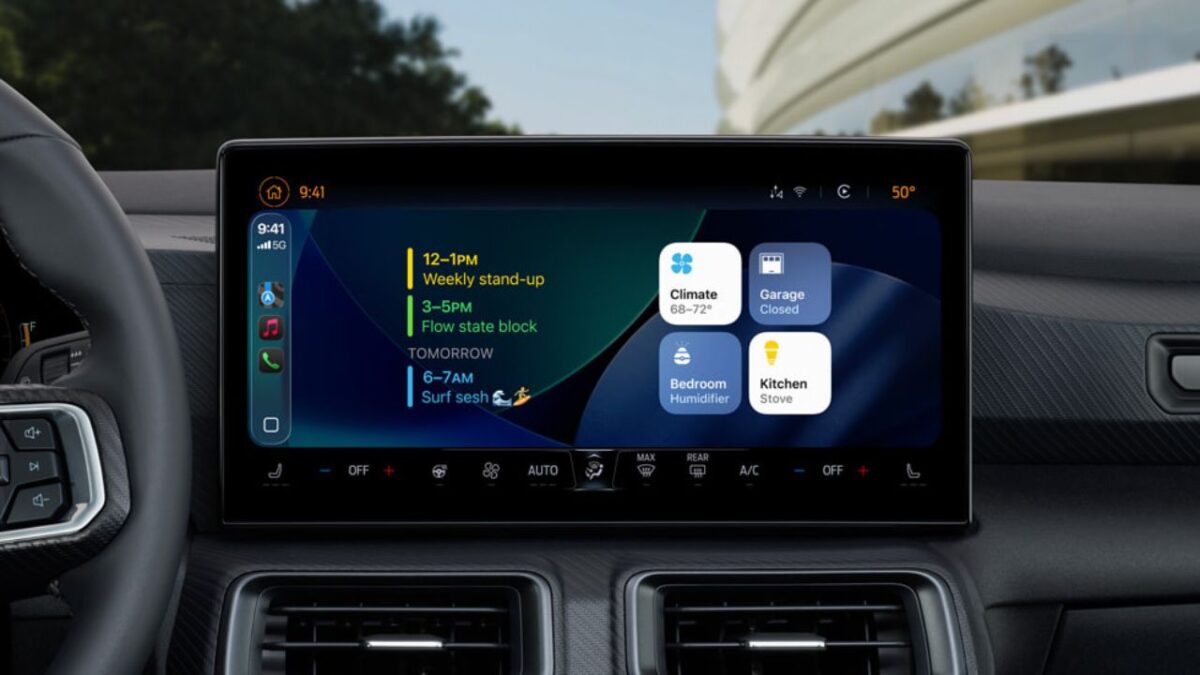
New research provides clear data that the large touchscreens in modern vehicles severely impair a driver’s attention. A joint study from the University of Washington and the Toyota Research Institute found these interfaces demand a dangerously high level of focus away from the road.
Scientists used detailed driving simulators to observe 16 participants. They measured eye movement, reaction time, and stress indicators while subjects performed simple tasks like tuning the radio on a center touchscreen.
The findings were significant. Driver accuracy and speed when using the touchscreen fell by more than 58 percent compared to when the vehicle was parked. This struggle to interact with the display led directly to worse driving performance.

When drivers used the screen, their tendency to drift out of their lane increased by over 40 percent. This shows the activity creates a hazardous loop where a driver must look away longer to correct errors, compounding the distraction.
The research supports a noticeable shift already happening in some car brands. Several manufacturers are bringing back physical knobs and buttons for common functions, responding to both driver complaints and anticipated safety regulations.
The study recommends that car companies simplify menu structures and add customizable physical buttons for frequent actions. It also suggests that future systems could sense distraction and adapt, perhaps by making on-screen elements larger during complex driving.
The current industry preference for screens is often a cost-saving measure. However, this move toward a button-free cabin forces drivers to look away to perform basic tasks, a trade-off that this new evidence confirms carries a real and measurable risk.
Source: UW