
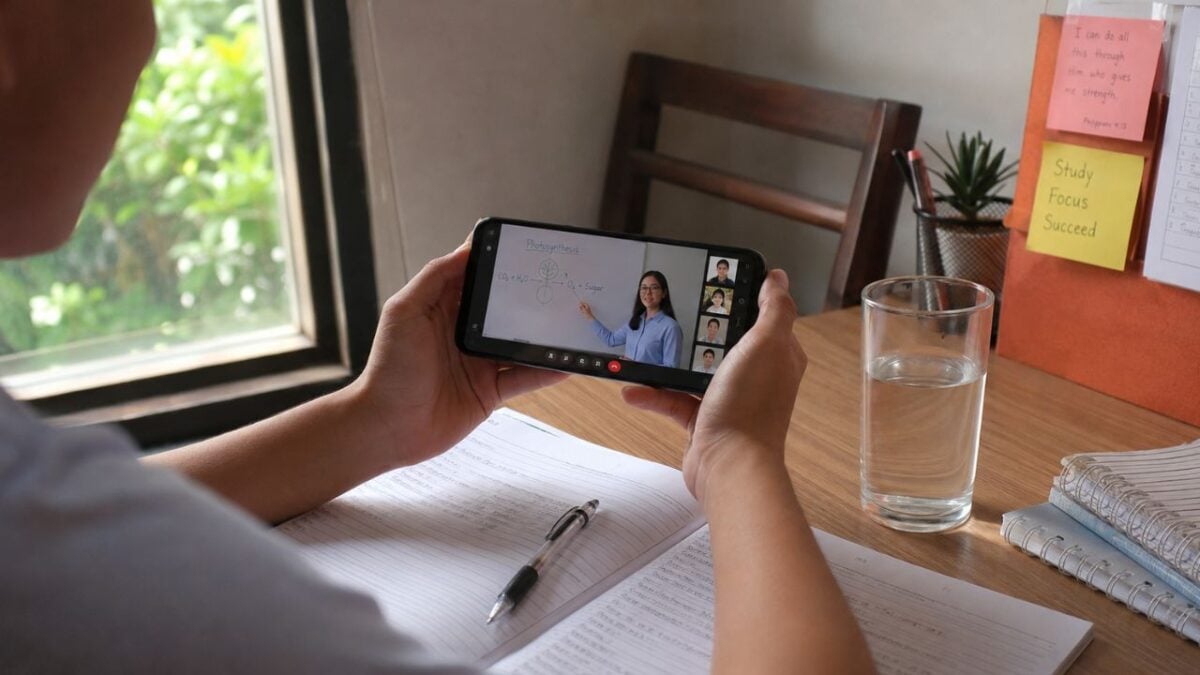
Two separate bills filed in the Senate of the Philippines aim to make mobile phone services more affordable for Filipinos, especially students.
Senator Erwin Tulfo wants telecom companies to give a 20 percent discount on mobile load and internet packages to students. His bill covers those enrolled in elementary, high school, vocational courses, and college. Postgraduate students are not included.
The discount would apply to both prepaid and postpaid plans. Students can use it any day of the year, even on holidays. To qualify, they need to show their school ID or enrollment proof, plus a birth certificate.
Tulfo said many schools now switch to online classes when bad weather hits. This forces students to spend more on mobile data just to keep up with their lessons. He believes the government should help so that poor students are not left behind.

Telecom companies that do not follow the rules would face penalties.
Meanwhile, Senator Loren Legarda filed a separate measure that focuses on prepaid load rules. Her bill wants regulators to look into current mobile rates and make sure they are fair.
While the review is ongoing, the bill sets temporary price caps. Text messages would cost 50 centavos each. Domestic calls would be Php2 per minute. Calls to landline numbers would be Php3 per minute.
Legarda also wants telecom companies to be more transparent. They should clearly show the real cost of their promos, including the price per gigabyte, per minute of call, and per text message. They must also state how long a promo lasts and what happens to unused data or load.
The bill also says that prepaid load should not expire as long as the user’s account is still active. If load is deducted by mistake, the company should return it or give a refund.
Legarda said that with today’s technology, mobile services should be cheaper and more consumer-friendly. She also wants cheaper rates for calls to important places like hospitals, schools, banks, and government offices.
Both bills are still pending in the Senate. If passed, they could bring significant changes to how Filipinos pay for mobile services.