
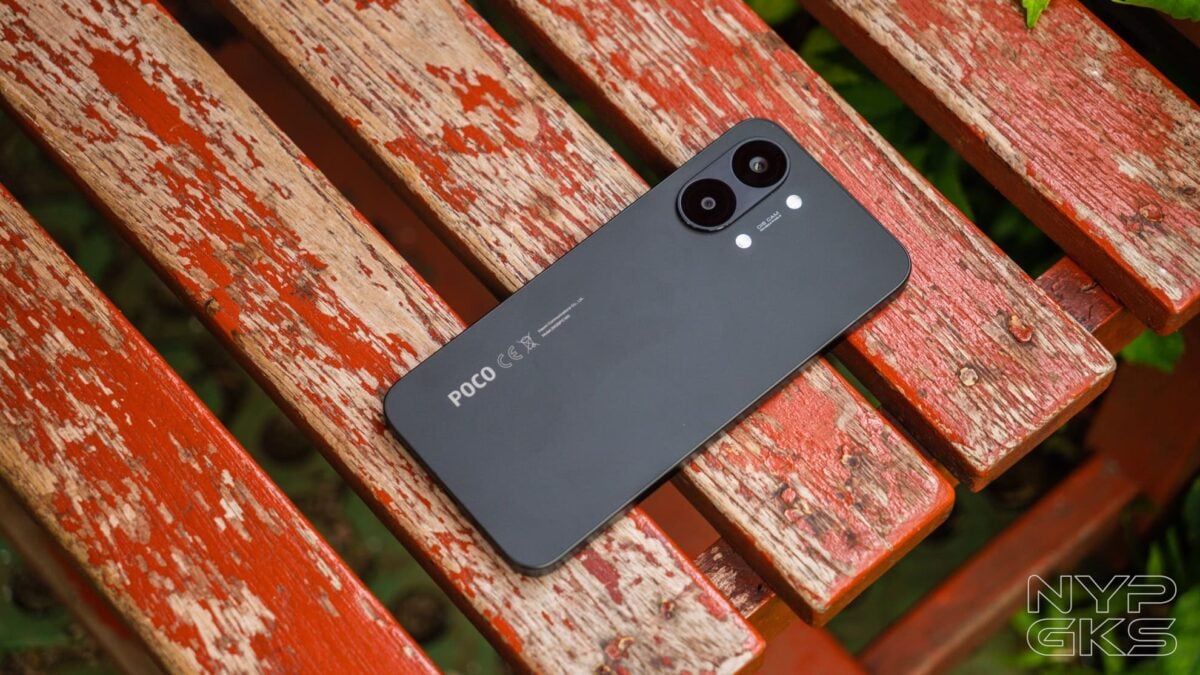

POCO returns with another compelling lineup of bang-for-the-buck smartphones in the new POCO X8 series. Both the POCO X8 Pro Max and X8 Pro appear unfazed by the recent surge in memory prices.
For this review, we’ll be focusing on the POCO X8 Pro Max. It packs a flagship-grade MediaTek processor paired with 12GB of RAM, one of the largest batteries in its class, a versatile camera system, and a massive 8,500mAh battery. All of that starting at just Php25,999.
But does the POCO X8 Pro Max truly live up to the hype, or is it simply too good to be true? Let’s find out in our full review.
POCO X8 Pro Max Specs
- Android 16, HyperOS 3
- Dual SIM, Dual Standby
- 6.83-inch 1.5K AMOLED display, 2772 x 1280 pixel resolution, ~447ppi
- 120Hz refresh rate, 3840Hz PWM dimming, Dolby Vision, HDR10+, Corning Gorilla Glass 7i
- 3.73GHz MediaTek Dimensity 9500s octa-core processor
- Immortalis-G925 MC12 GPU
- 12GB RAM
- 256GB/512GB UFS 4.1 internal storage, non-expandable
- 20-megapixel front camera
- 50-megapixel (Light Fusion 600, f/1.5, PDAF, OIS) + 8-megapixel (ultra-wide) rear camera, LED flash
- 115F symmetrical stereo speakers, Dolby Atmos
- IP68/69K dust and water resistant
- HSPA+, 4G LTE, 5G
- WiFi 7, dual-band
- Bluetooth 5.4
- dual-band GPS, GLONASS, GALILEO, QZSS, BDS NavIC
- NFC, IR blaster, USB-C
- Dimensions: 162.9 x 77.9 x 8.2mm
- Weight: 218g
- Colors: White, Blue, Black
- 8,500mAh non-removable battery, 100W HyperCharge wired, 27W reverse wired charging
Design and Build Quality
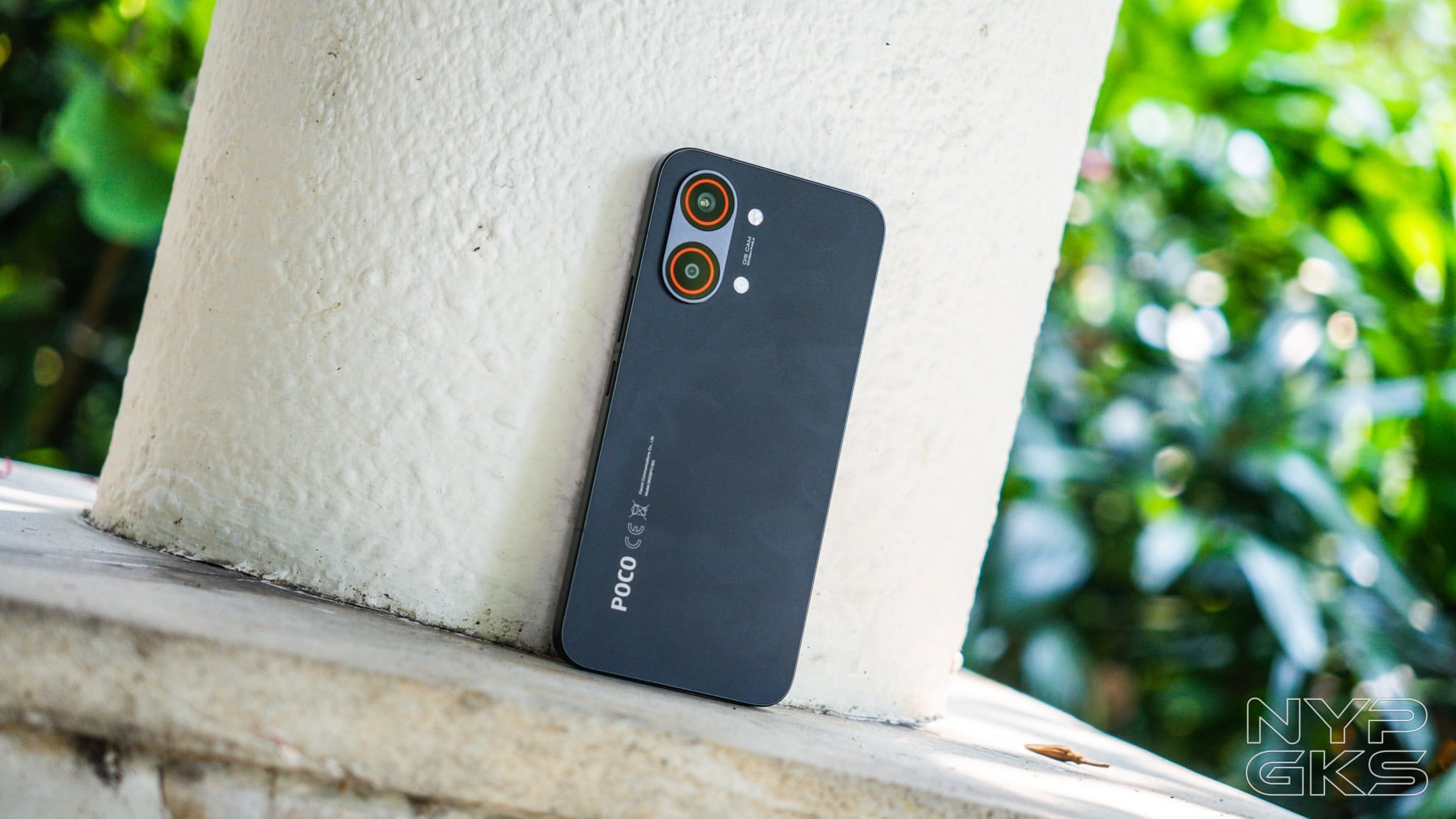
The POCO X8 Pro Max has plenty of impressive hardware inside, but having a standout design is obviously not the focus. Its overall look is forgettable, with the Dynamic RGB Light on the rear doing little to elevate its appeal, especially since most users will likely disable it to conserve battery.
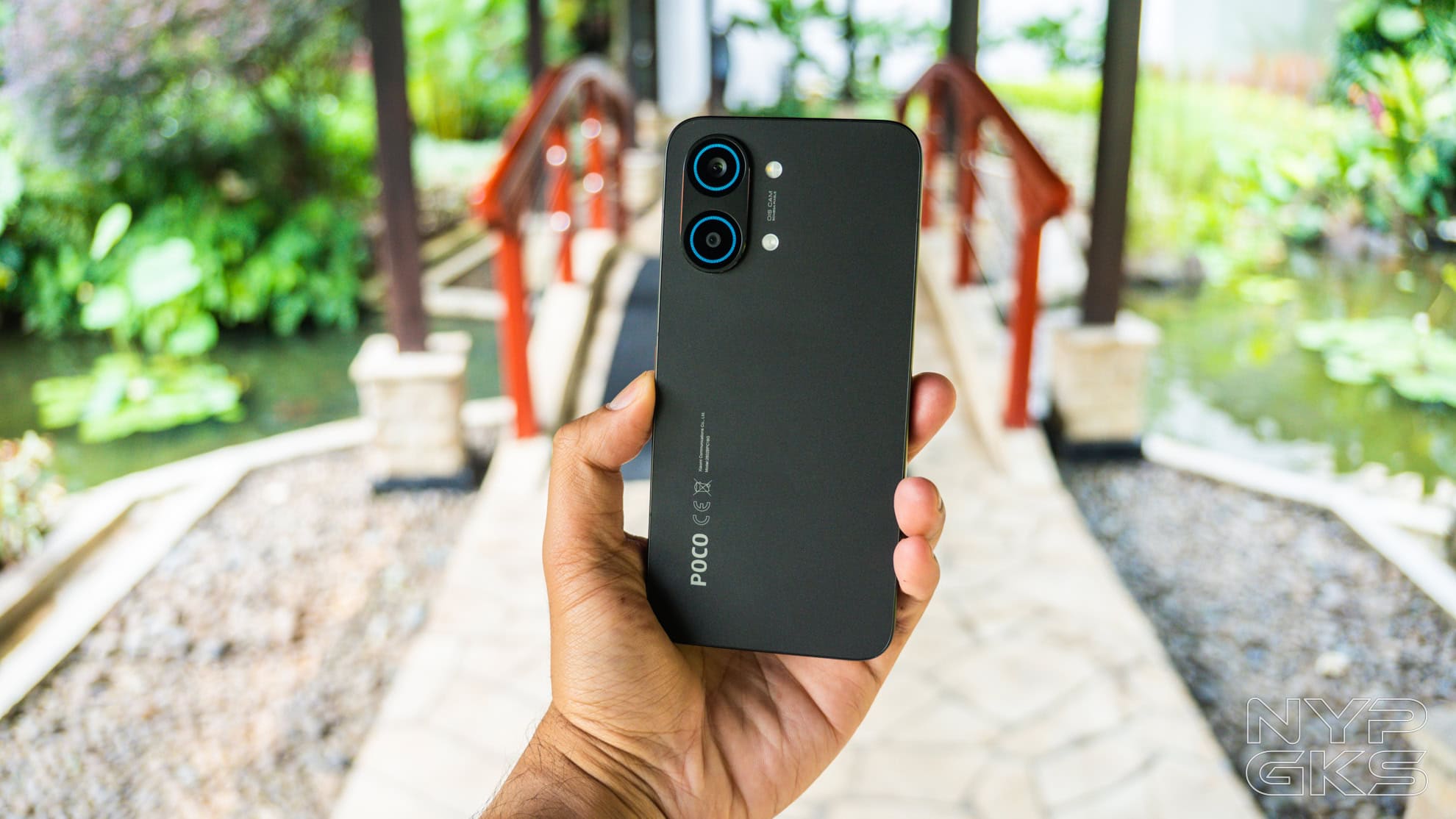
That said, its target audience may not mind and some might even appreciate the simple design. So if you’re after a smartphone that turns heads, this isn’t it.
If design matters, the White color option is the better choice, featuring distinct vertical racing stripes that add a bit of character. Our review unit comes in Black, which feels rather plain. A Blue option is also available.
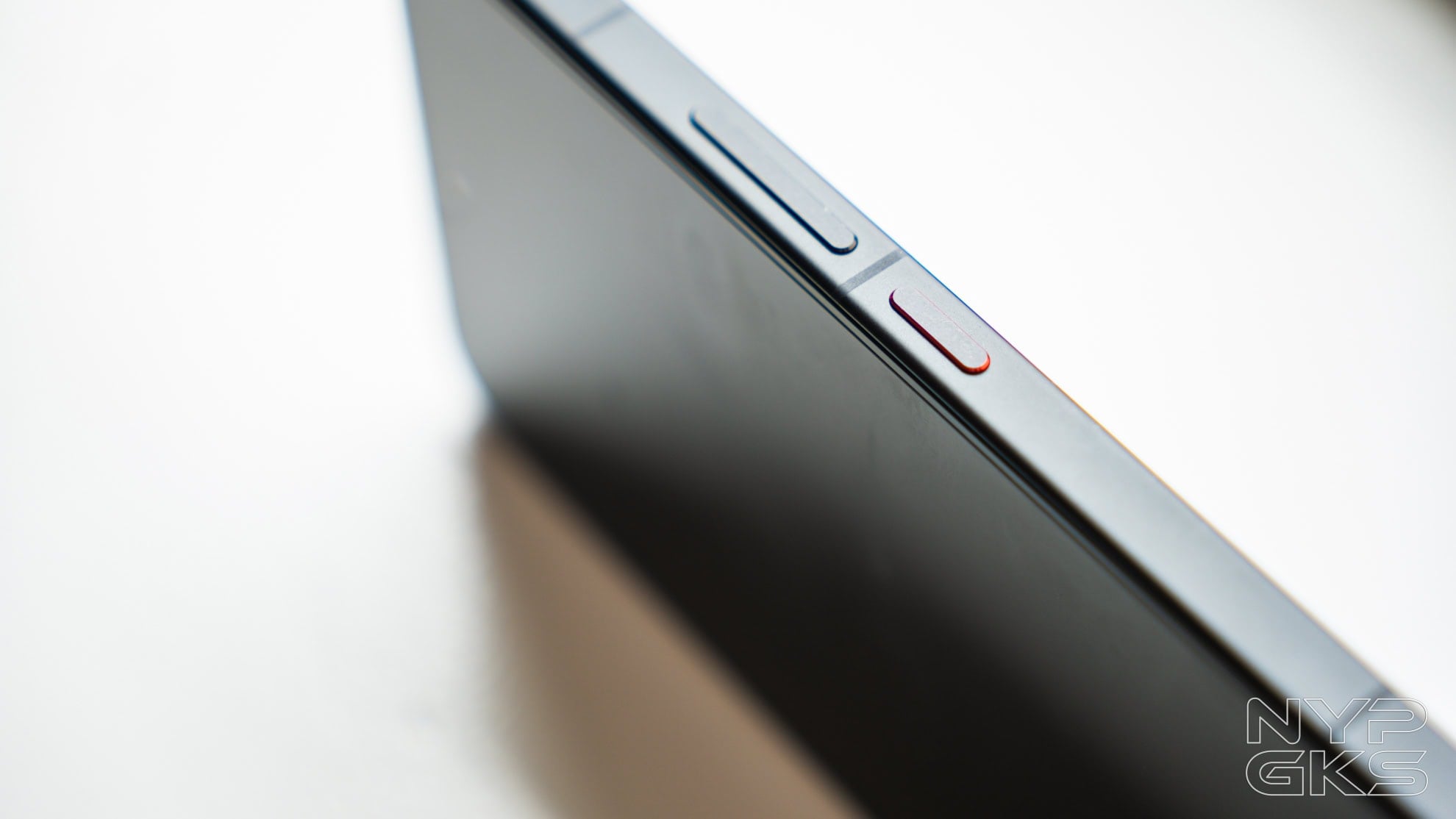
The red accent around the power button is a small but thoughtful touch that adds a hint of personality.
In terms of durability, the POCO X8 Pro Max features a Corning Gorilla Glass 7i on the front, paired with an unspecified glass material on the back. The flat metal frame feels solid, while the smooth edges and rounded corners make it comfortable to hold.
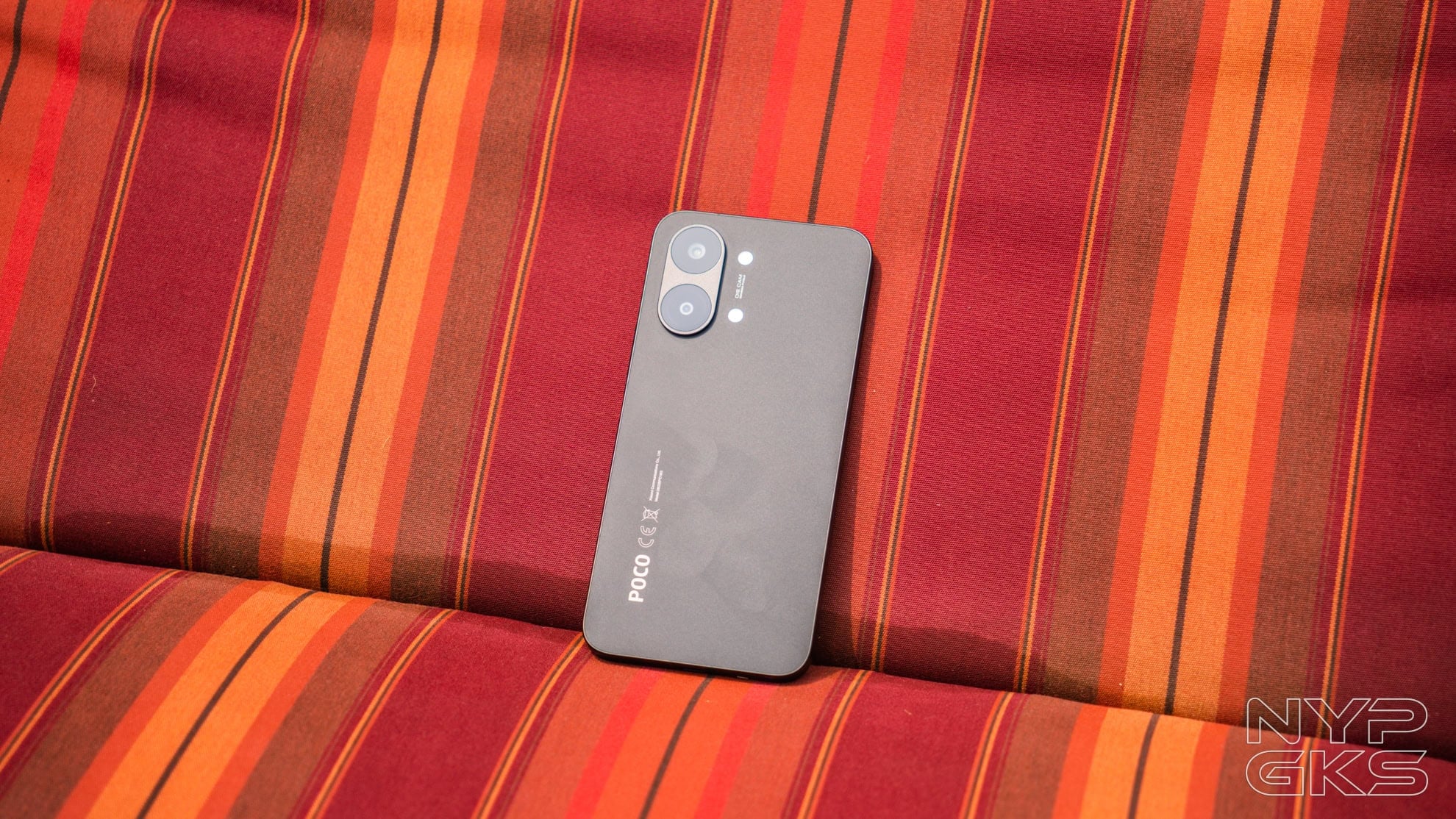
At 218g, it leans toward the heavier side, but still feels surprisingly manageable given its massive battery. The build quality is reassuringly sturdy, remaining firm even under light bend tests.
It also carries an IP68 rating for dust and water resistance, along with a 5-star SGS certification for drop, crush, and bend resistance.
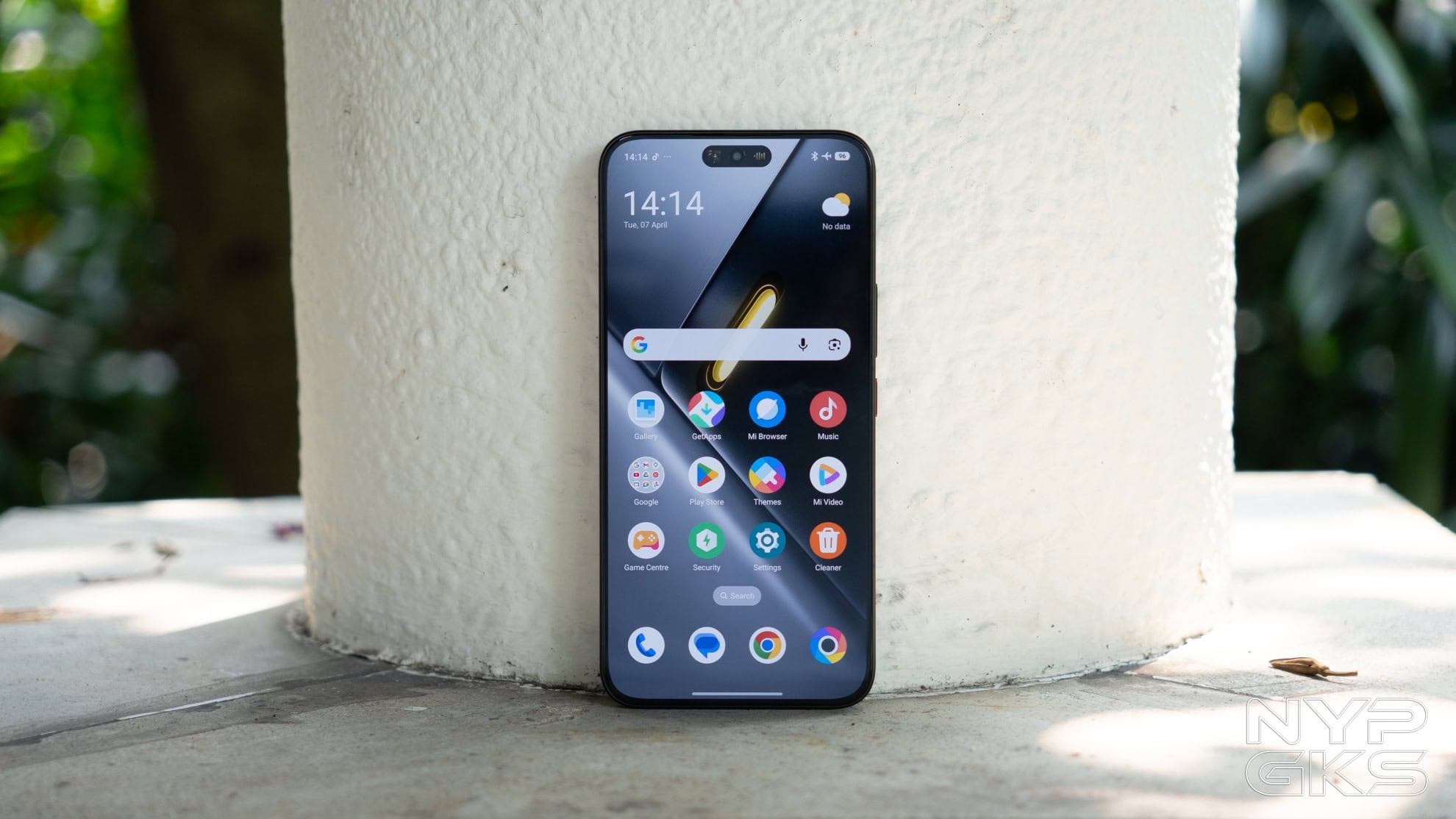
Taking a tour, we have the 6.83-inch 1.5K AMOLED display on the front, and a tiny punch-hole for the 20-megapixel selfie camera. It has ultra-slim bezels, albeit not uniform. It’s 1.78mm thick at the bottom and 1.5mm on the sides. That’s a 94.27% screen-to-body ratio.
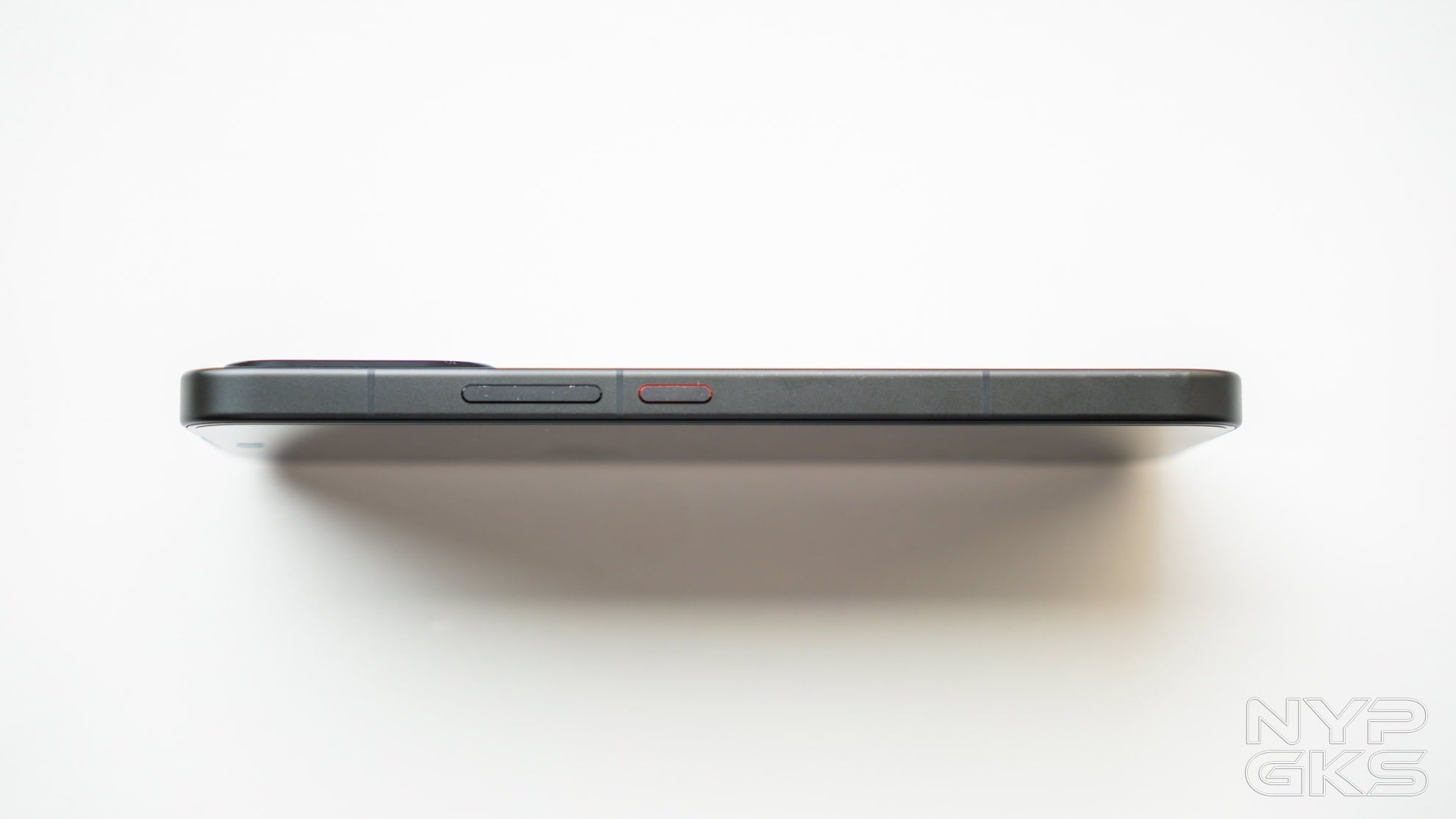
Left side is clean, while the right has the volume controls and lock/power switch. The button is tactile, but feels a bit shallow.
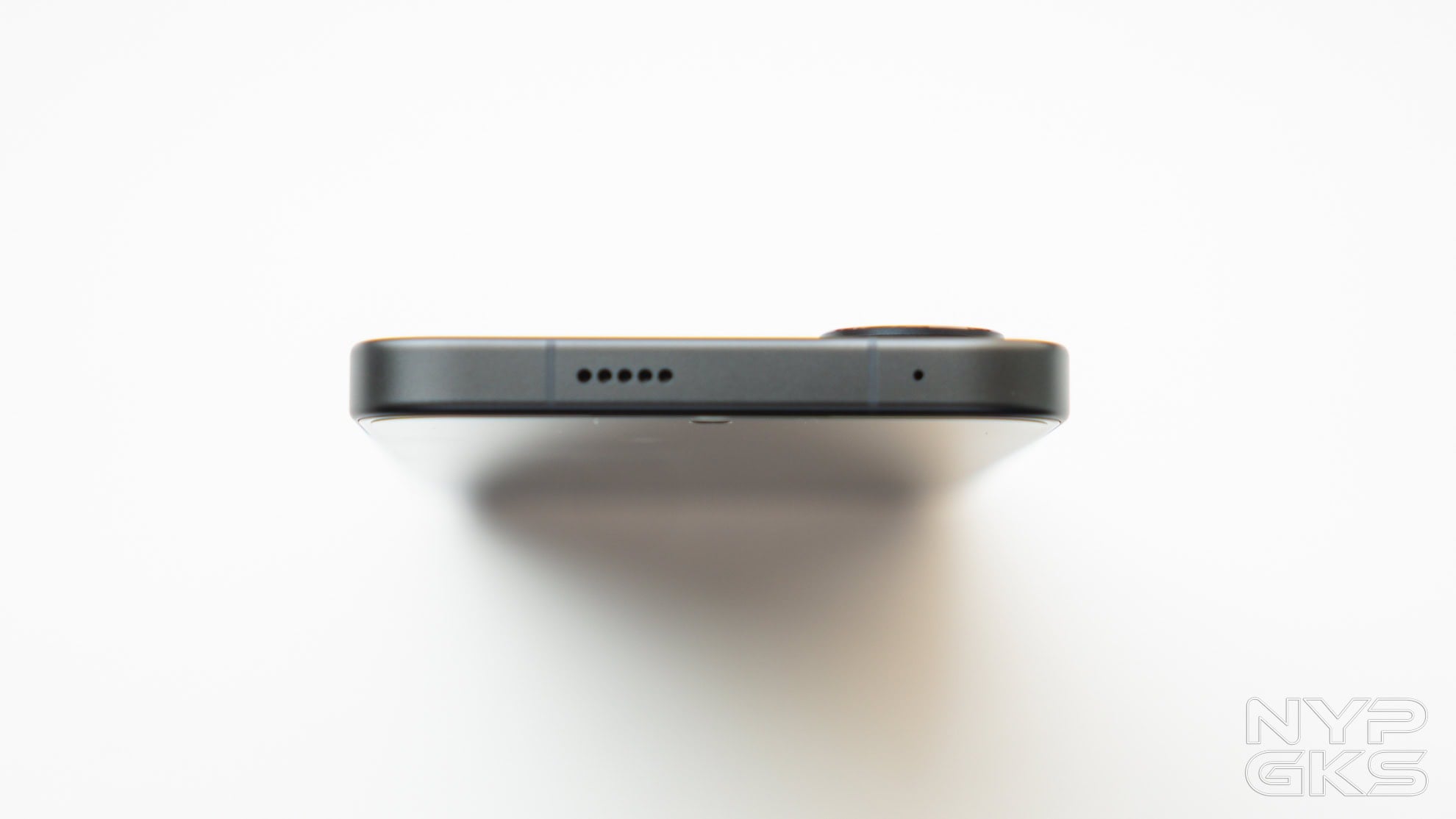
The top has the speaker grill and the IR blaster.
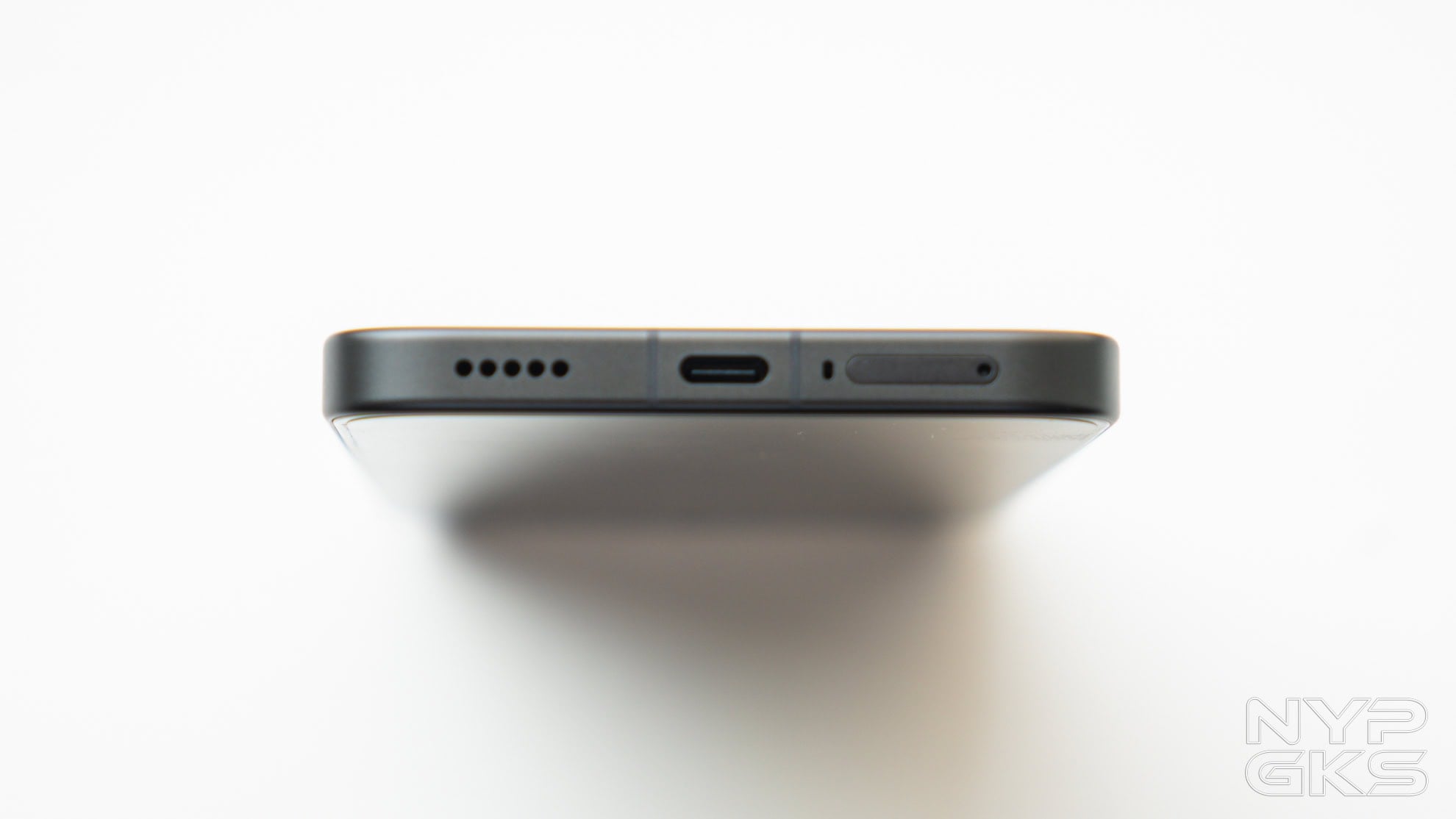
On the bottom, there’s the nano SIM tray, USB-C port, loudspeaker, and built-in microphones.
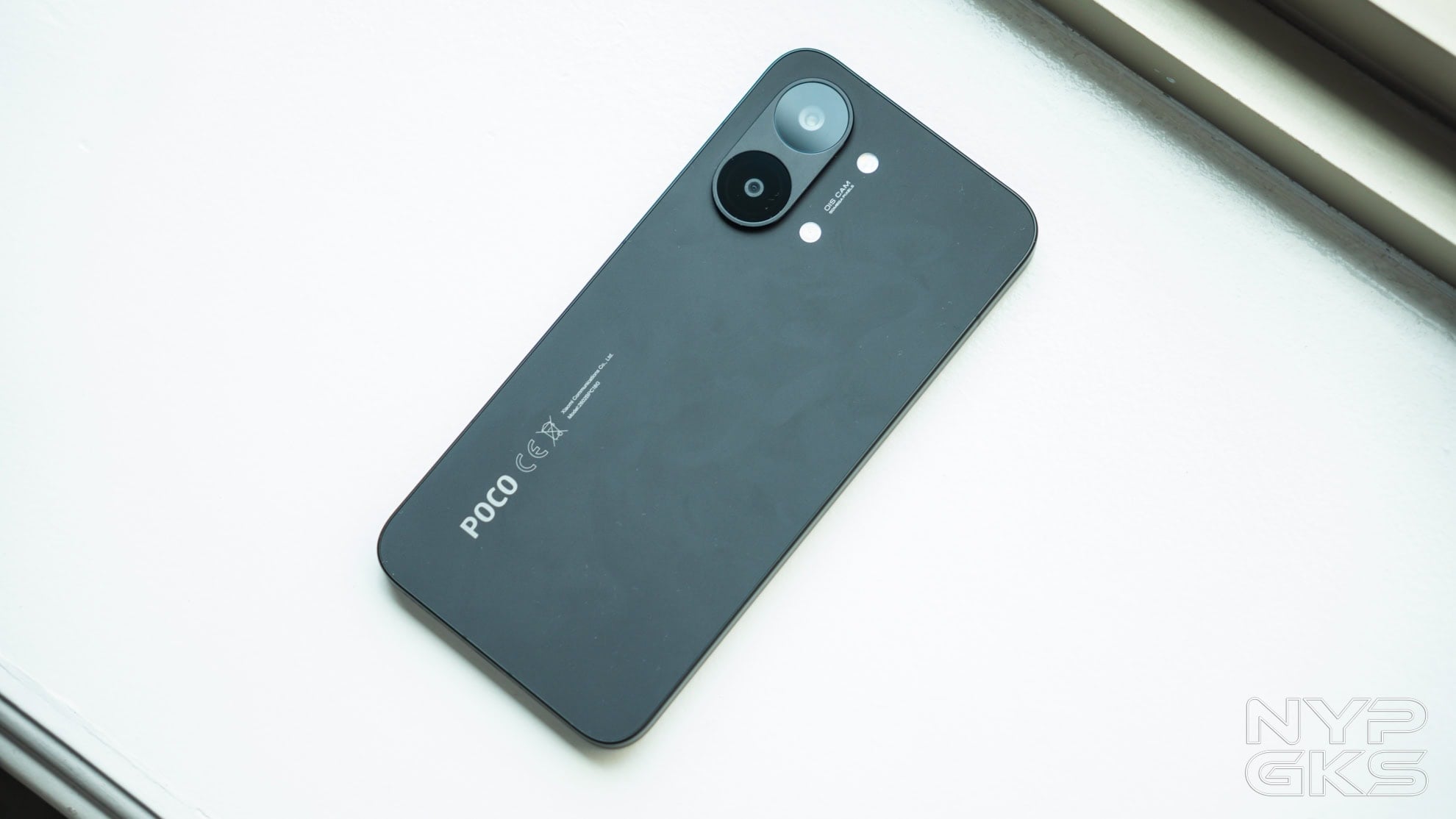
At the back, we can find the 50-megapixel main camera and 8-megapixel ultra-wide in an iPhone 16-like layout. The LED flash is on the right.
Overall, the POCO X8 Pro Max is a well-built device that prioritizes durability but plays it safe in terms of design.
Display and Audio
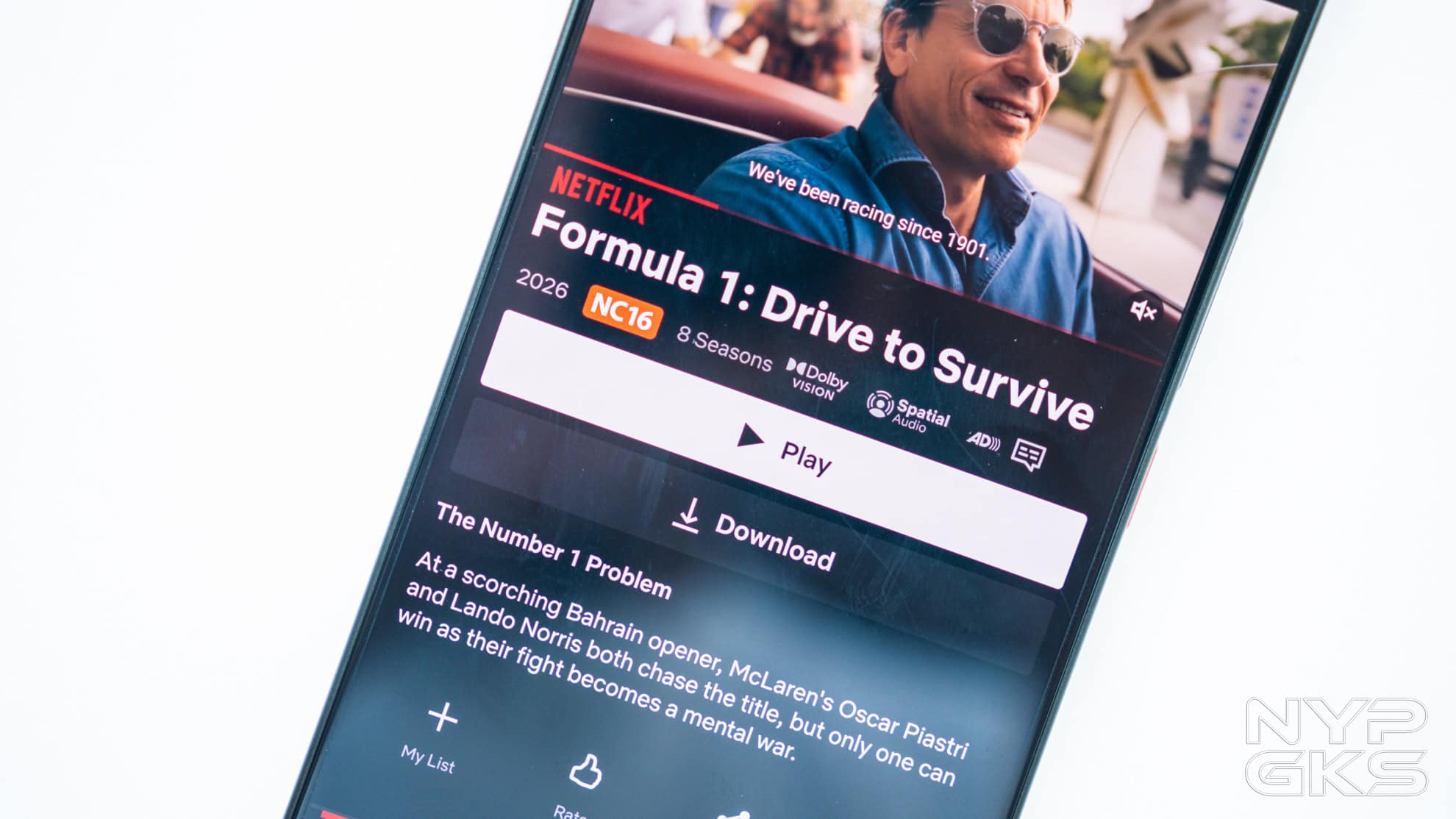
Xiaomi didn’t skimp on the POCO X8 Pro Max’s display. It has a large, sharp, and fast 6.83-inch 1.5K AMOLED display, with a 2772 x 1280 resolution, ~447ppi, 120Hz adaptive refresh rate, 3840Hz PWM dimming for eye safety, and support for both Dolby Vision and HDR10+.
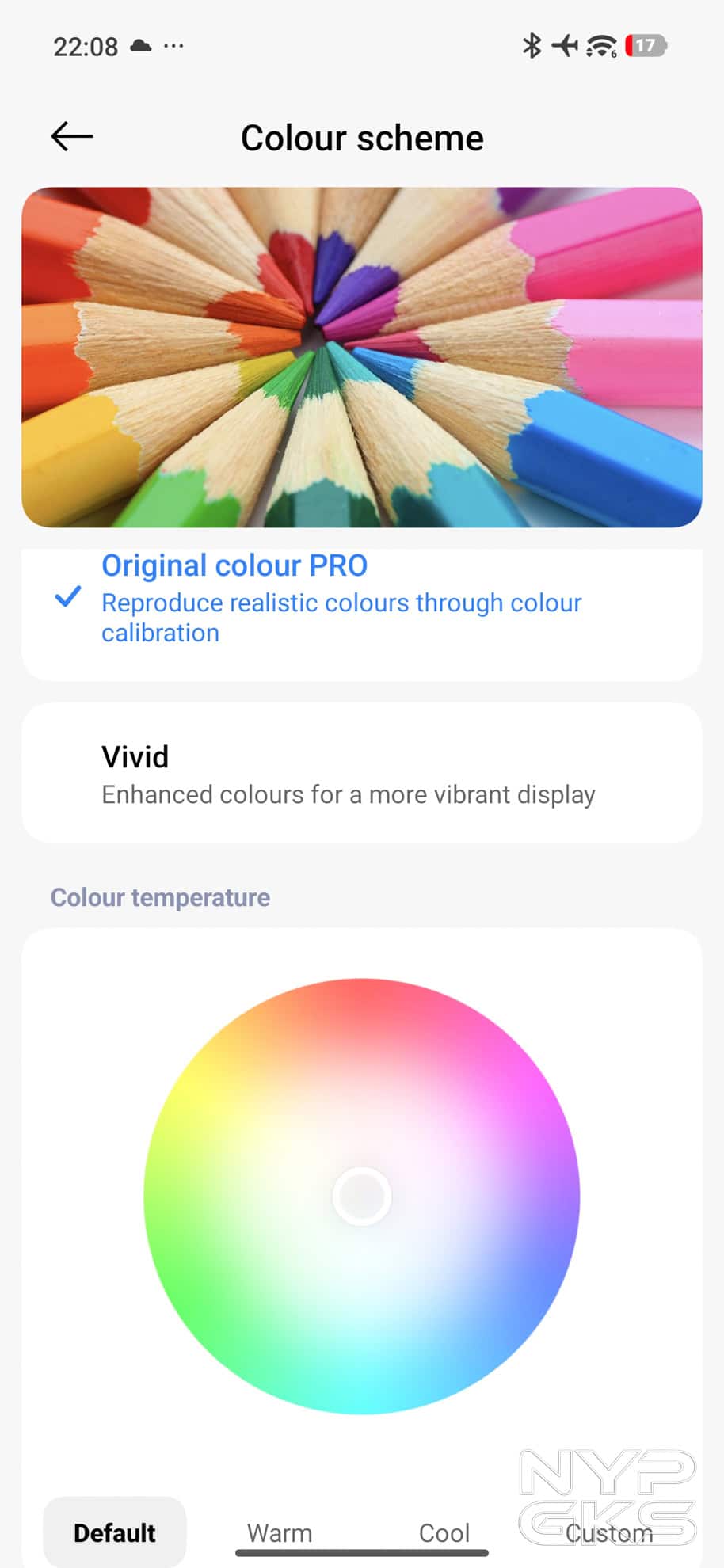
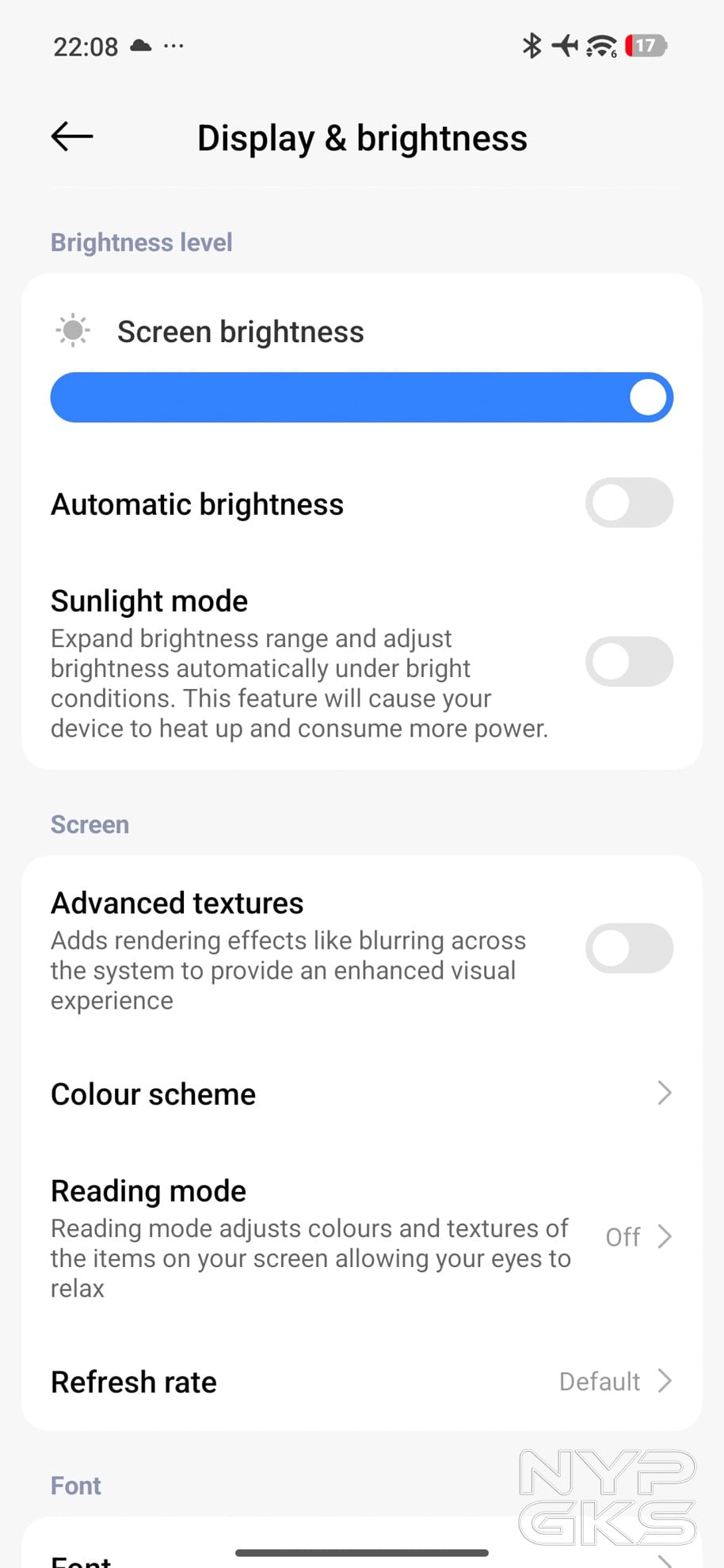
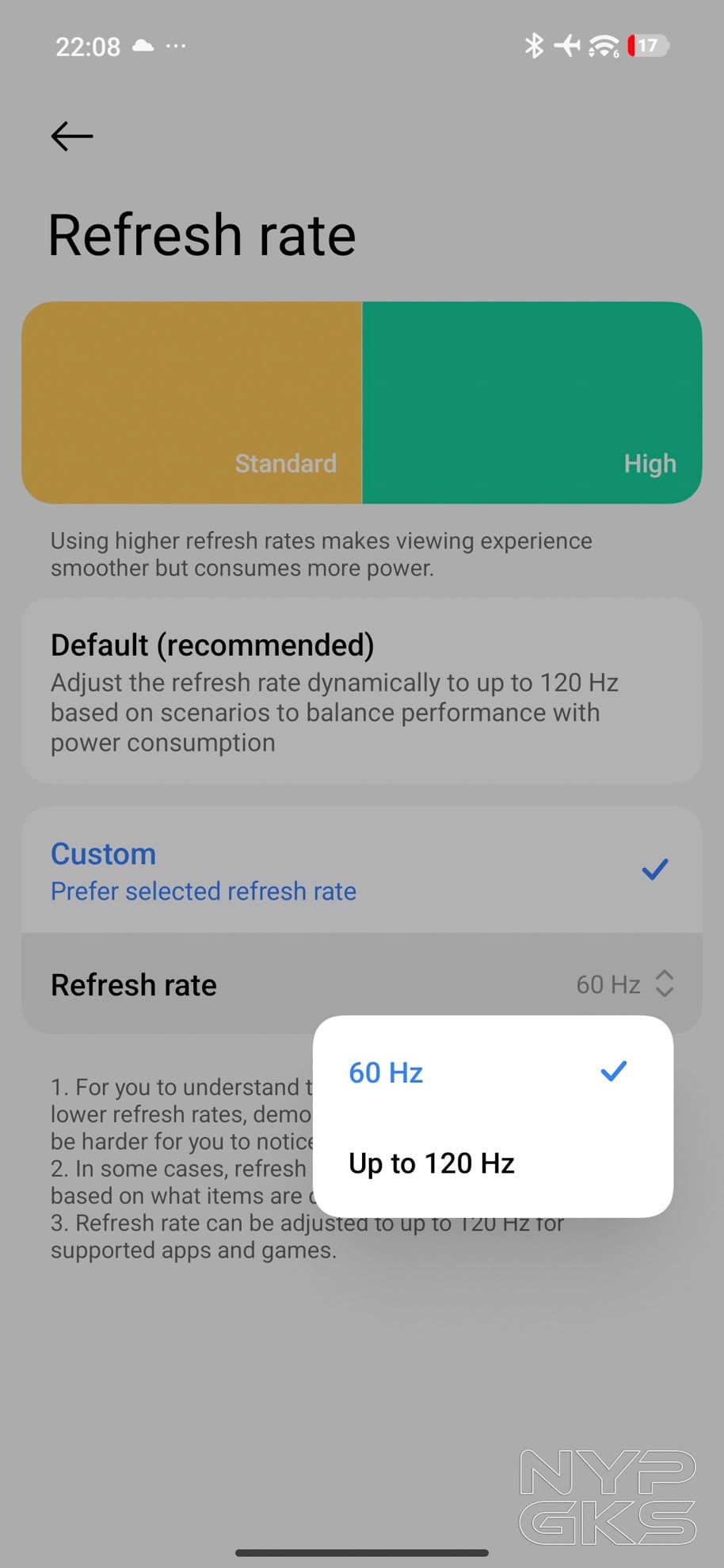
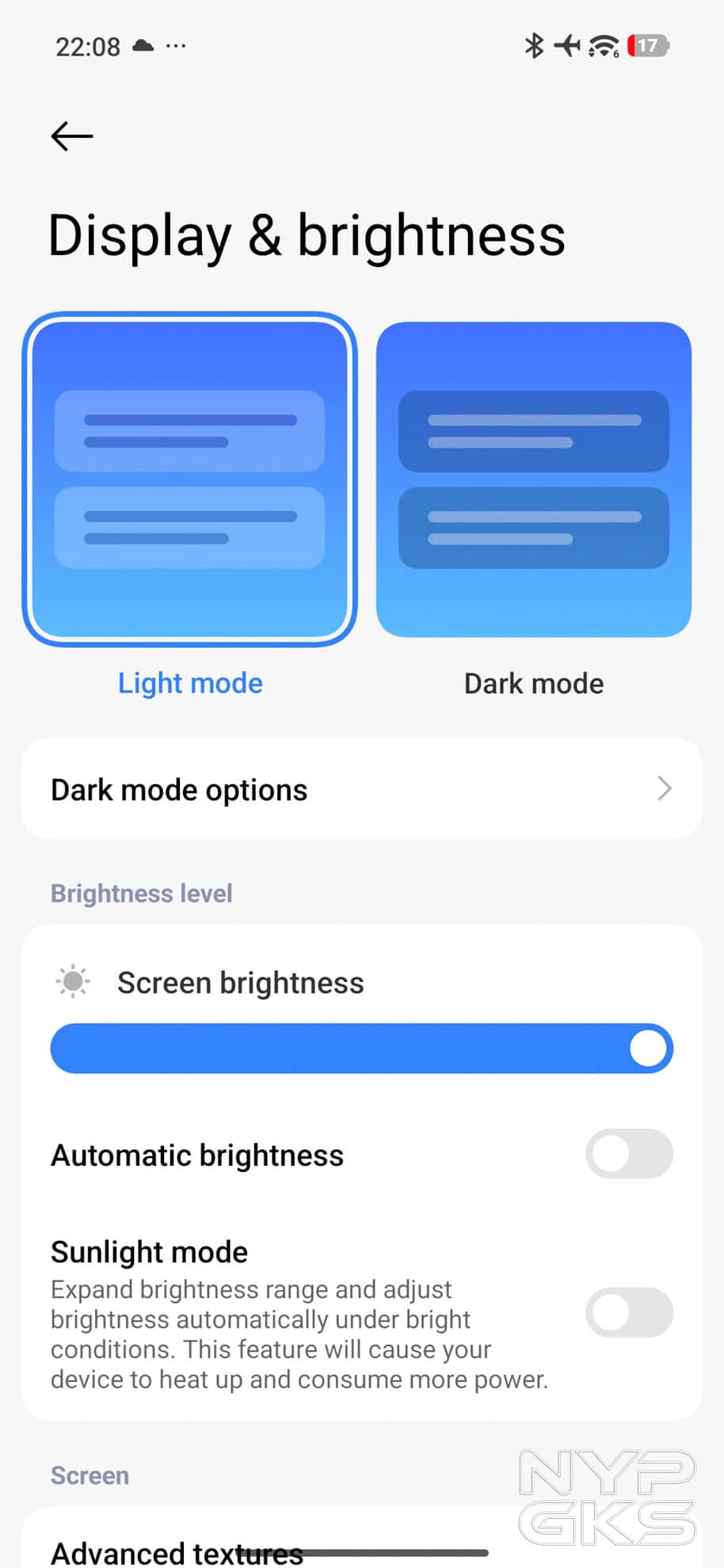
The display quality on the POCO X8 Pro Max is impressive overall. Its large screen makes for an immersive gaming experience, providing ample space for comfortable on-screen controls and extended play sessions.
Color reproduction and detail are both commendable, while brightness levels are more than sufficient for outdoor visibility and HDR content consumption.
POCO has also delivered in the audio department. Instead of relying on a hybrid speaker setup, the X8 Pro Max features a dedicated top driver rather than simply amplifying the earpiece.
The result is a balanced and powerful audio experience, with notably high volume output (up to a 400% volume boost), clear treble, and punchy bass. It’s not flagship caliber but more than good enough for most use cases.
Hardware and Performance
The POCO X8 Pro Max has a 3nm MediaTek Dimensity 9500s processor that consists of 1x 3.73GHz Cortex-X925 core, 3x 3.3GHz Cortex-X4, and 4x 2.4GHx Cortex-A720. It is paired with an Immortalis-G925 MC12 GPU, 12GB of LPDDR5X RAM at 4800MHz, and 512GB of UFS 4.1 storage.
POCO X8 Pro Max Benchmark Scores
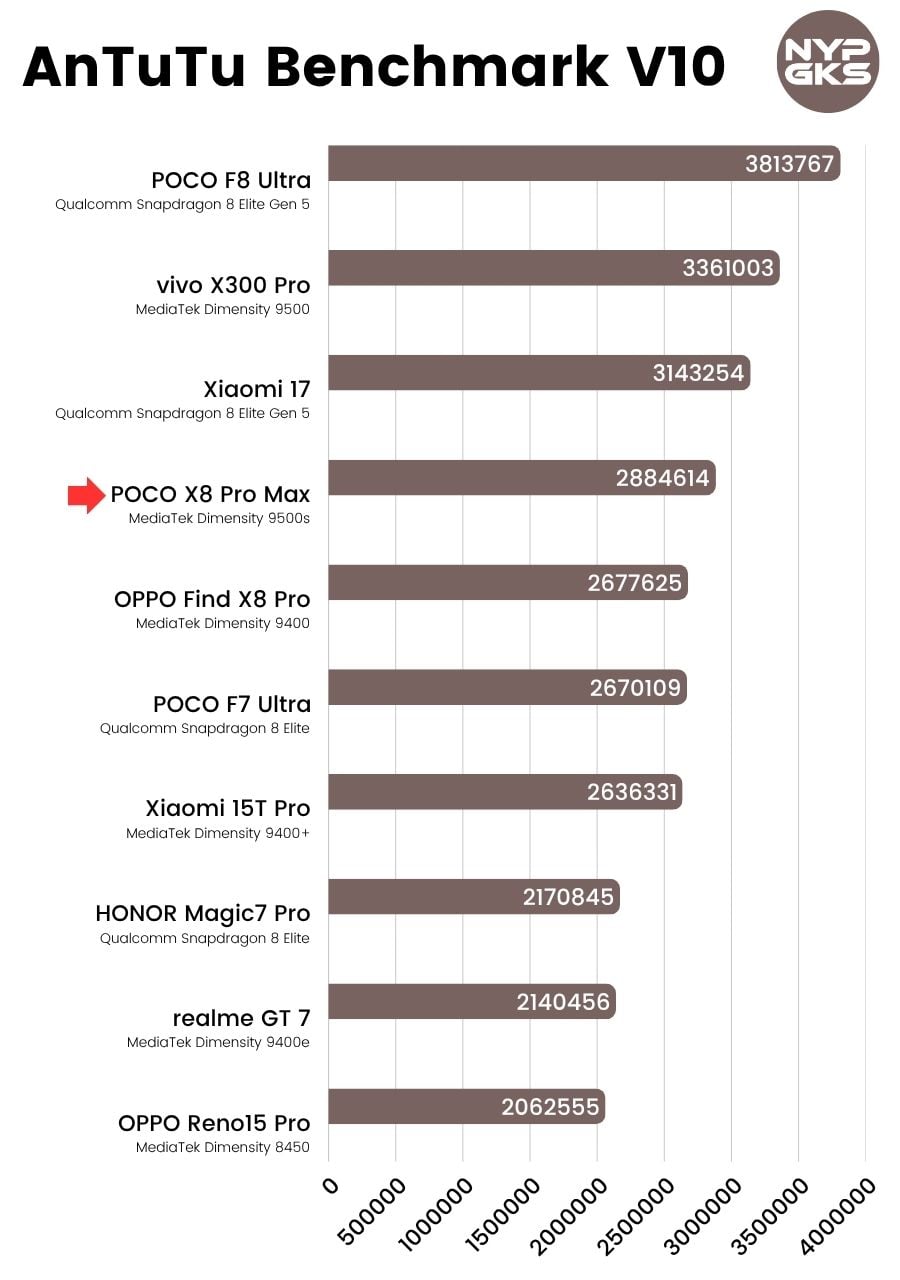


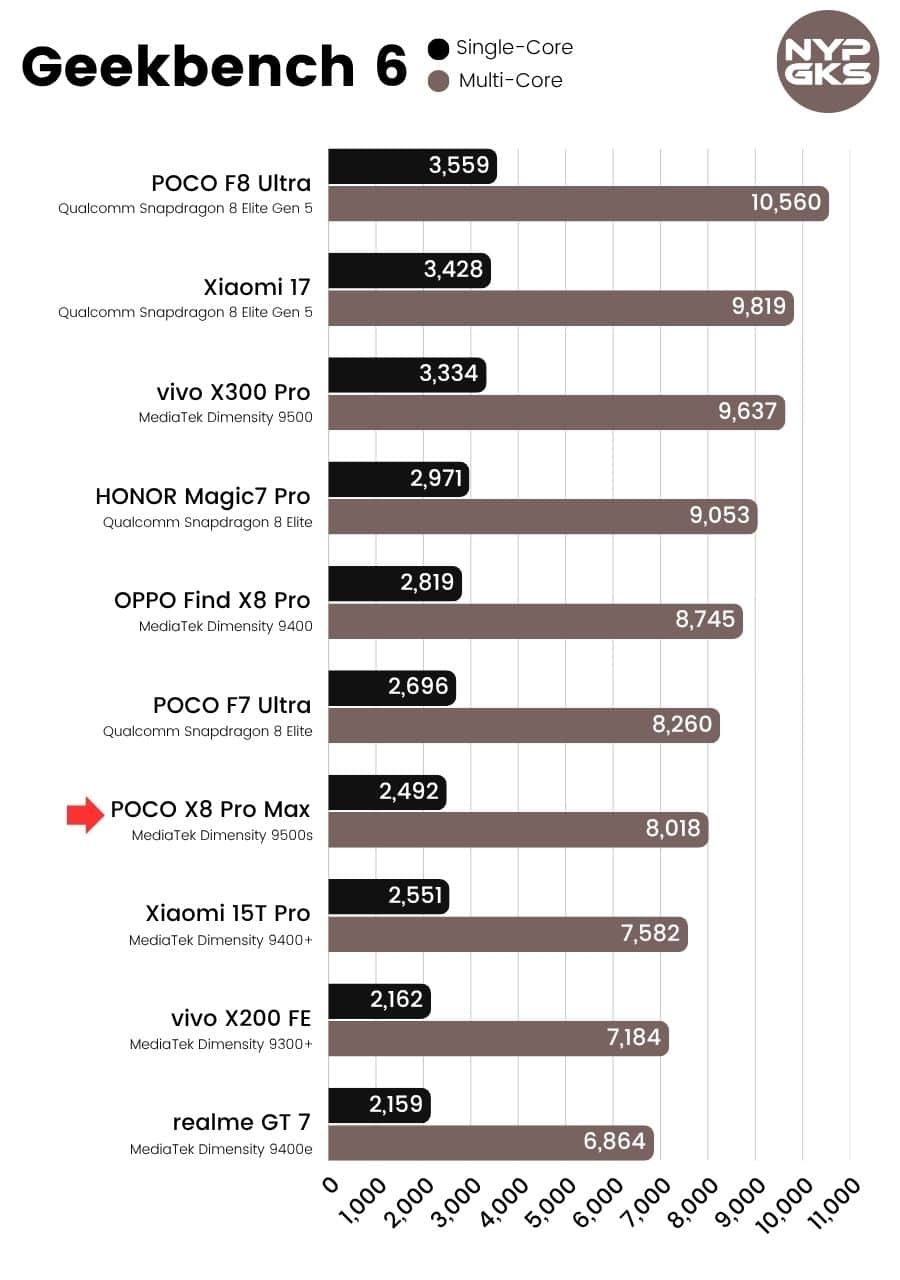
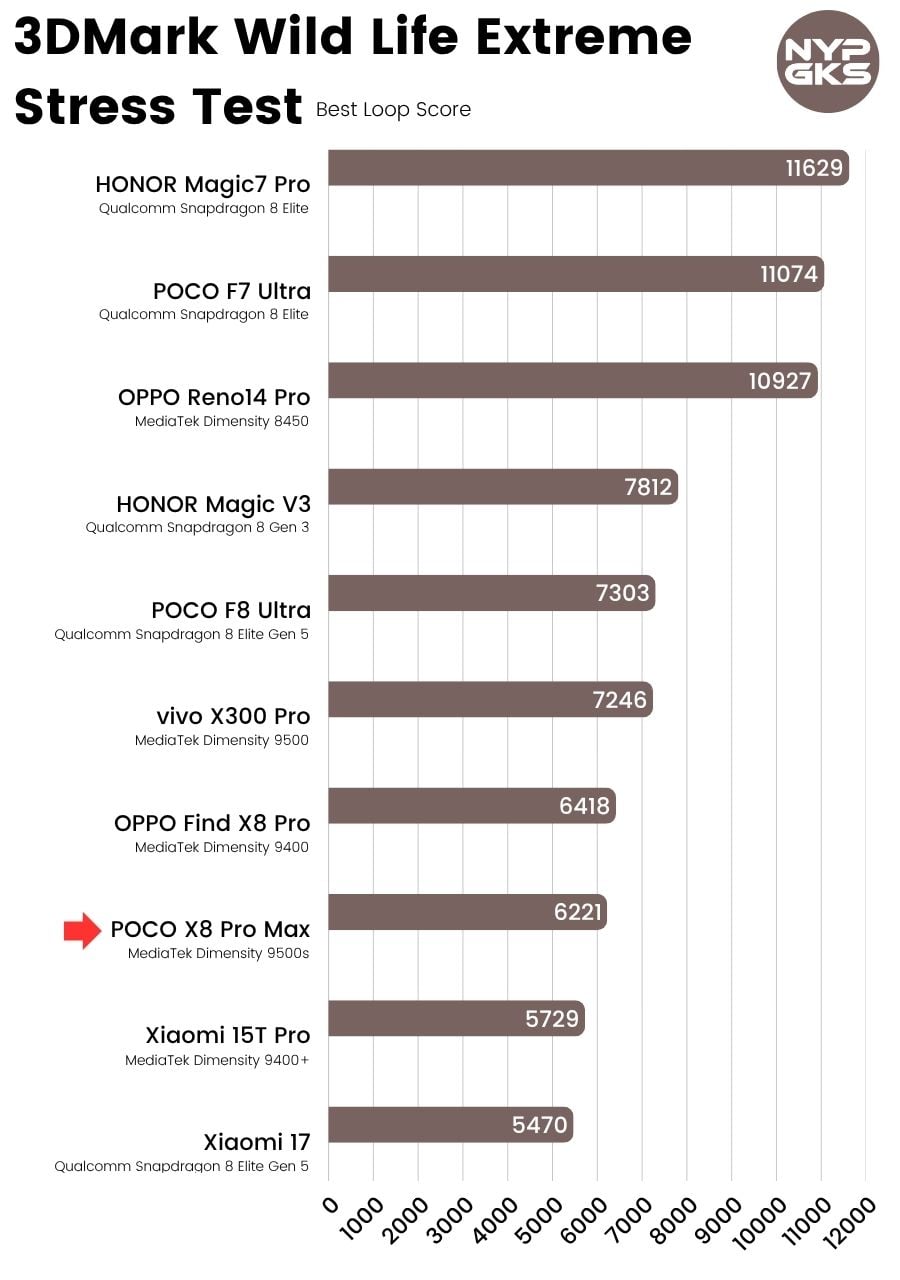
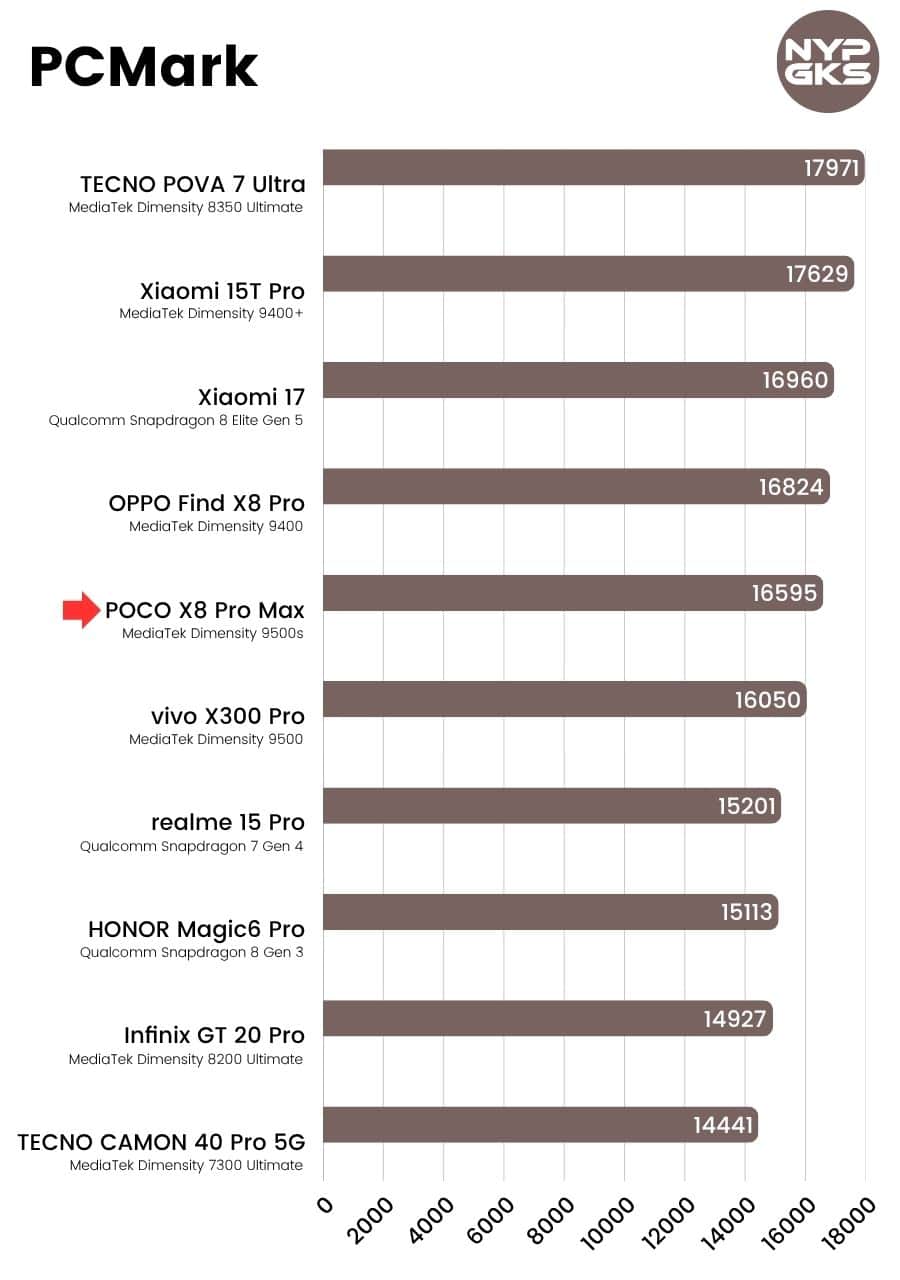
Thermals are managed by POCO’s 3D IceLoop cooling system, which features a large 5,800mm² cooling area. Complementing this is POCO’s WildBoost Optimization, offering features such as 1.5K Super Resolution, Game HDR, and adaptive frame rate control to achieve up to 120fps in supported titles.
In day-to-day use, performance is flagship-grade. The device handles a wide range of tasks with ease, from casual web browsing to more demanding workloads like content creation and multitasking without showing signs of strain.
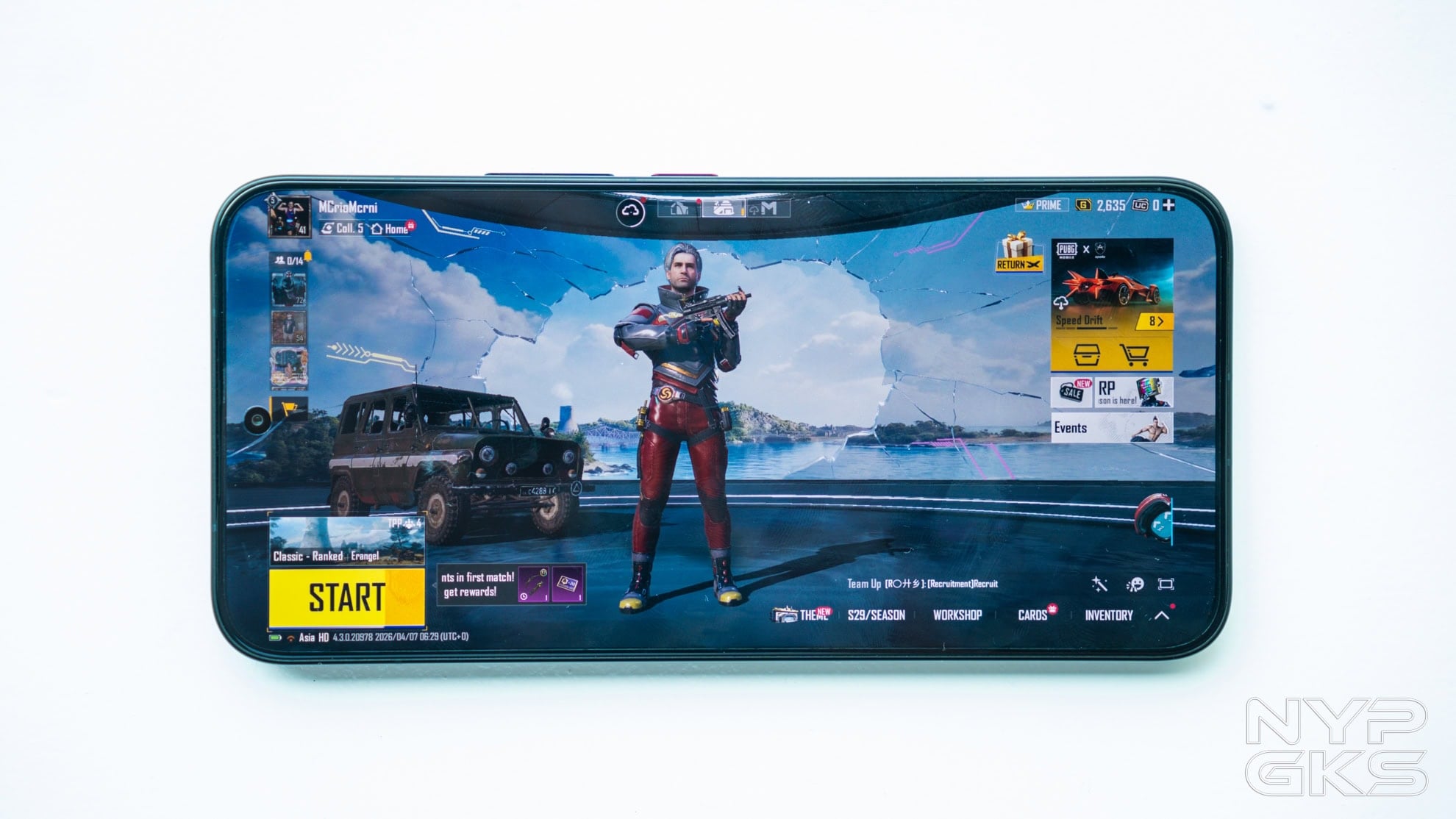
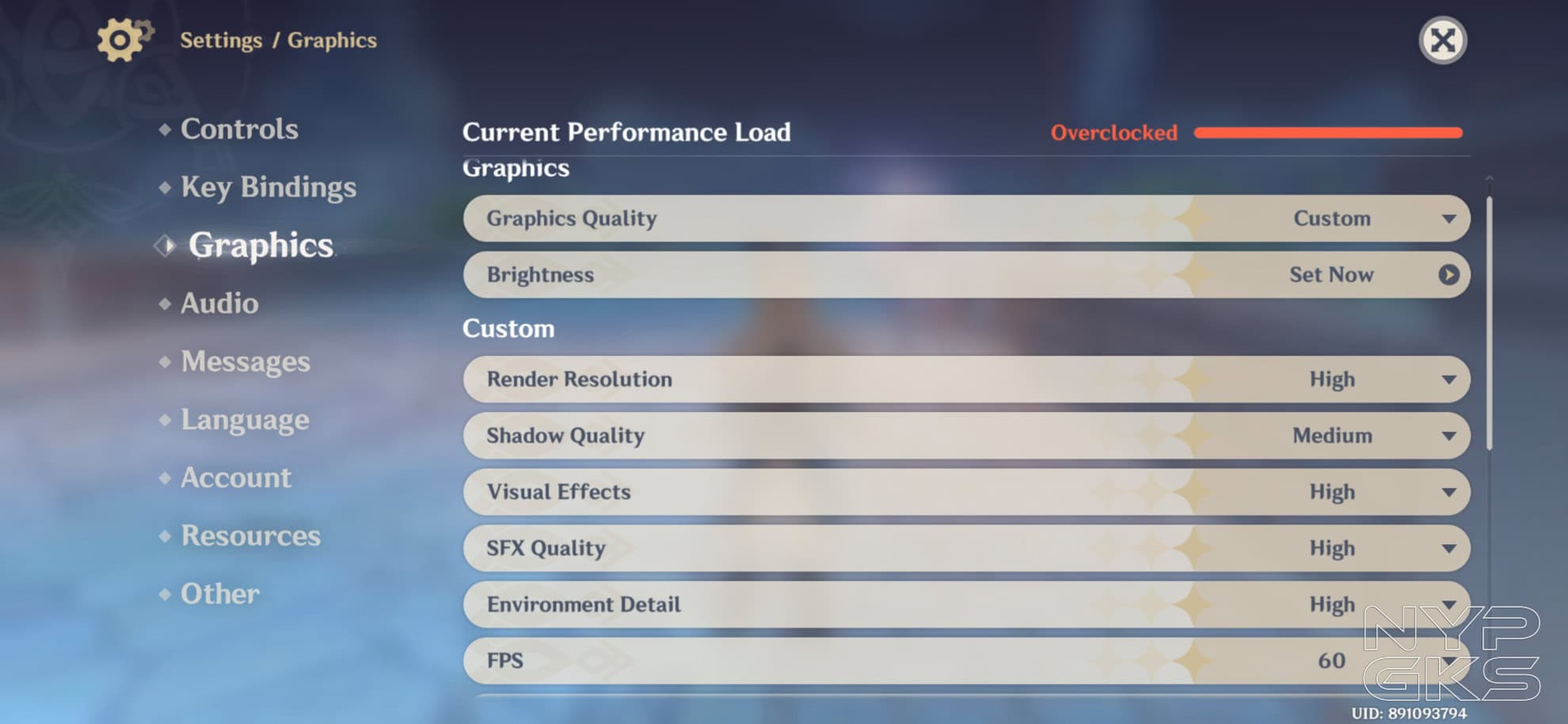
For gaming, Genshin Impact was very smooth under the High preset with 60fps. Overheating was not an issue either.
Shooter games like PUBG Mobile ran fine under Ultra HDR graphics with Extreme frames and Call of Duty Mobile was also seamless under Max settings. For Farlight84, we settled for HD graphics to unlock 120 fps, which was very worth it.
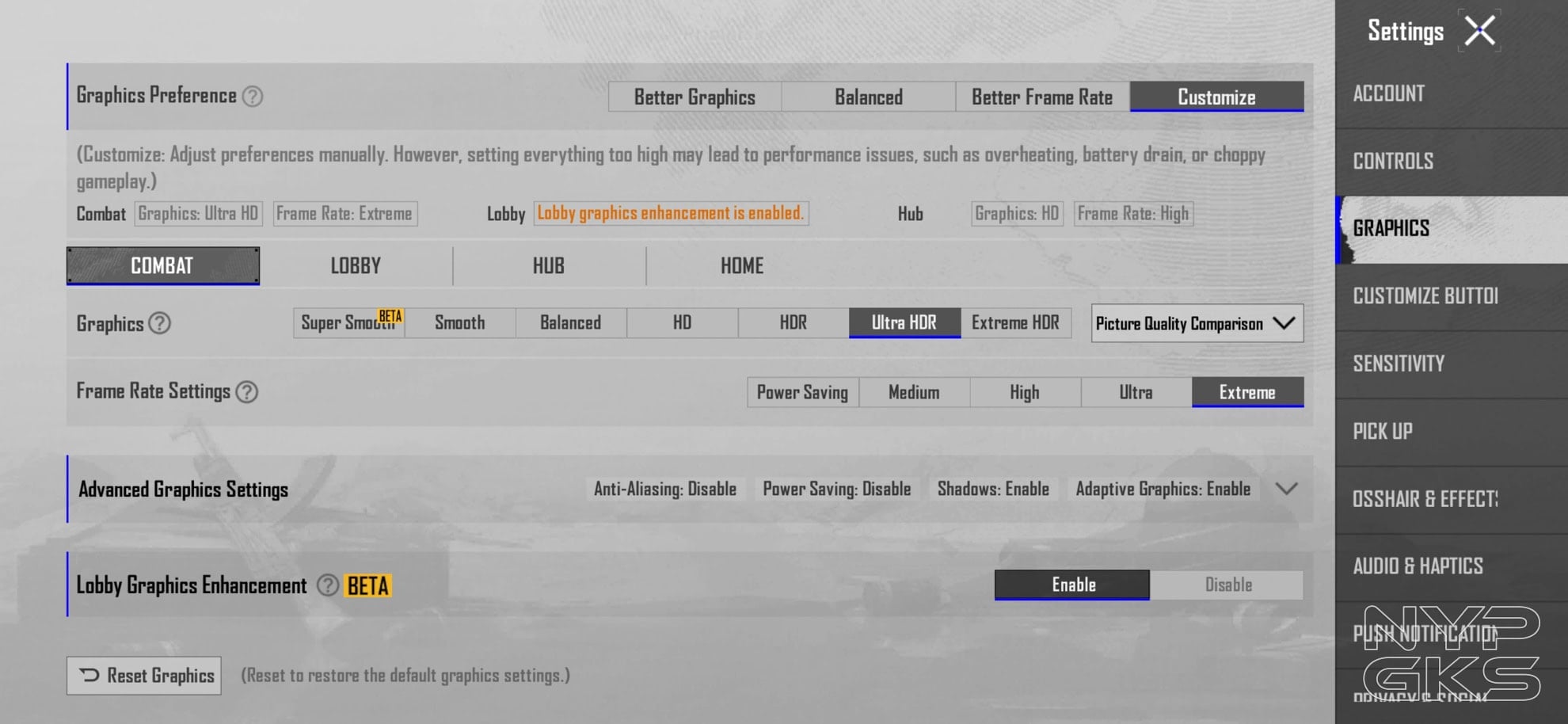
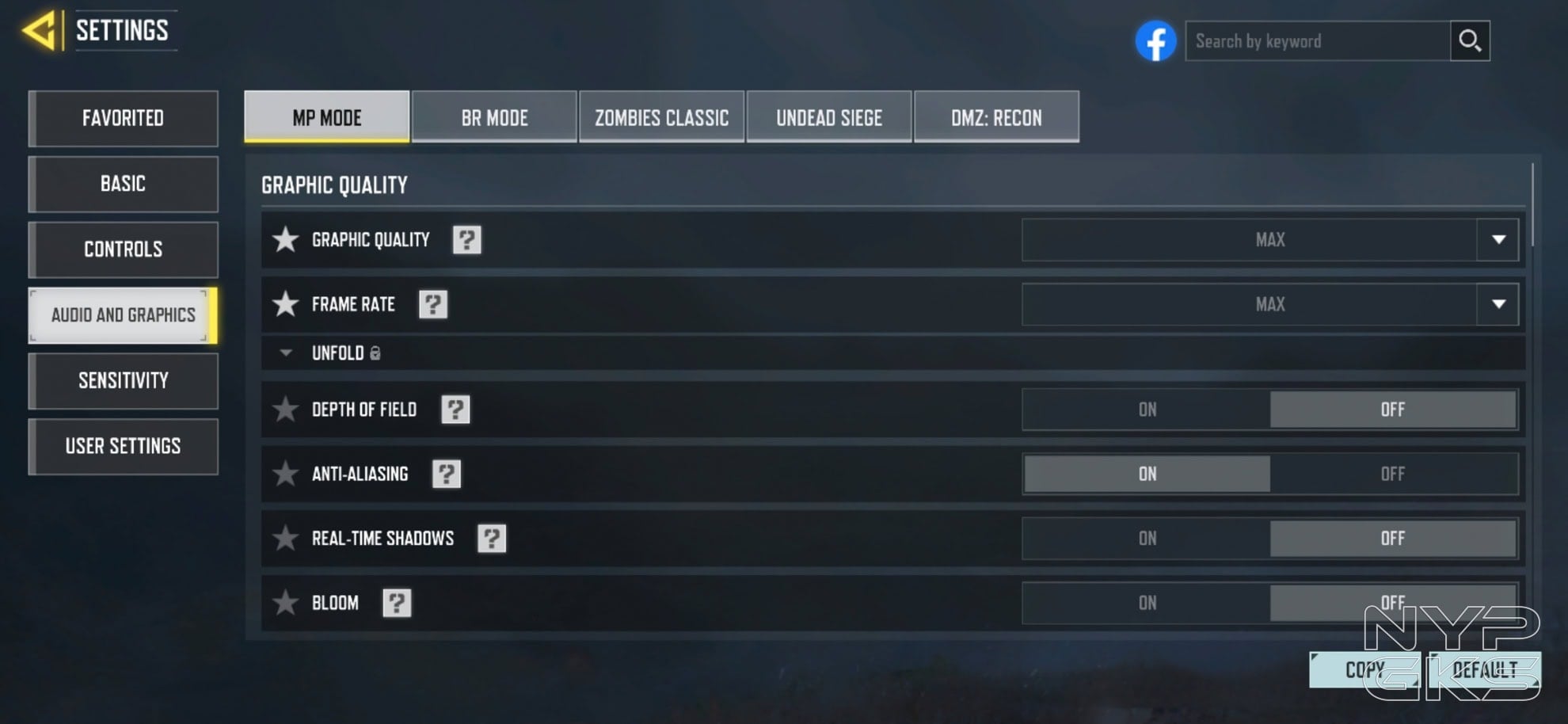
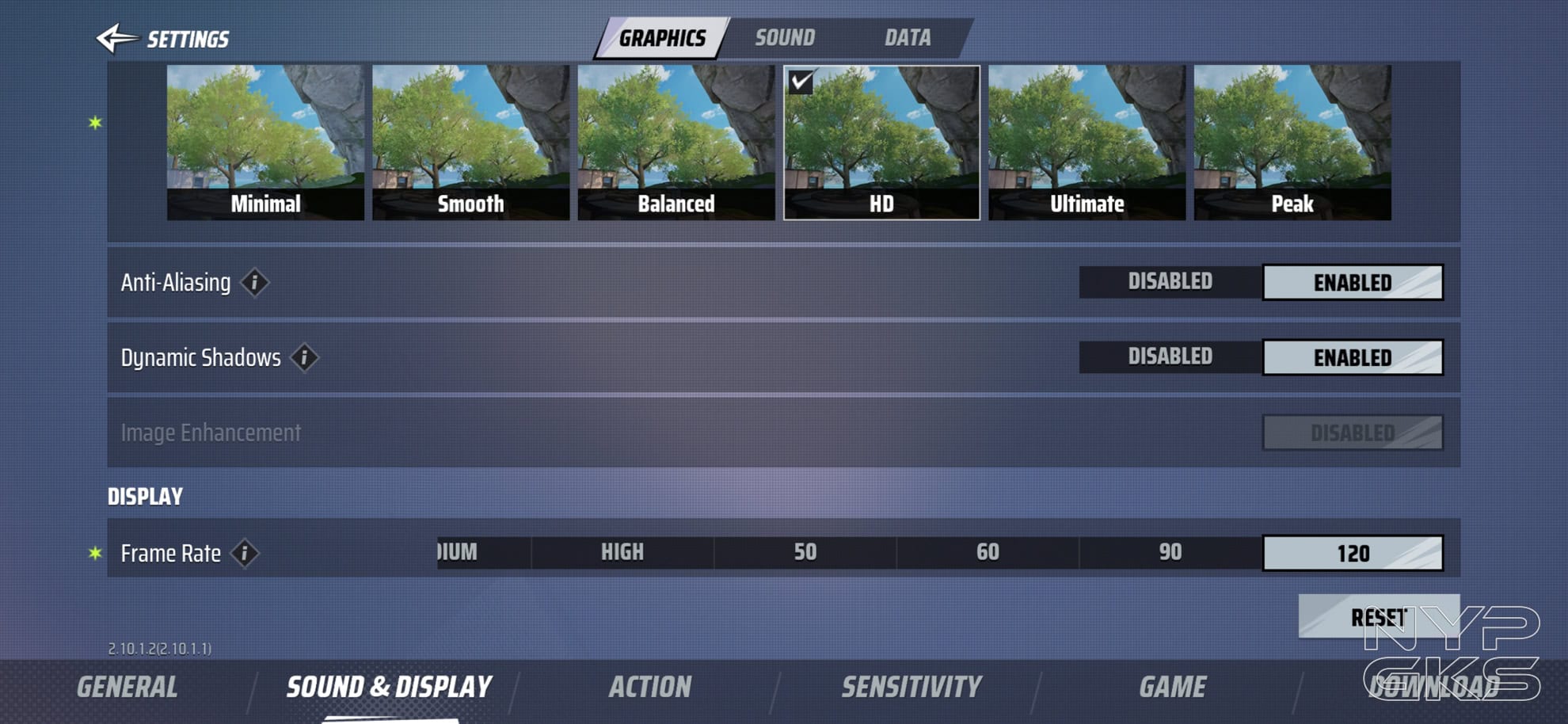
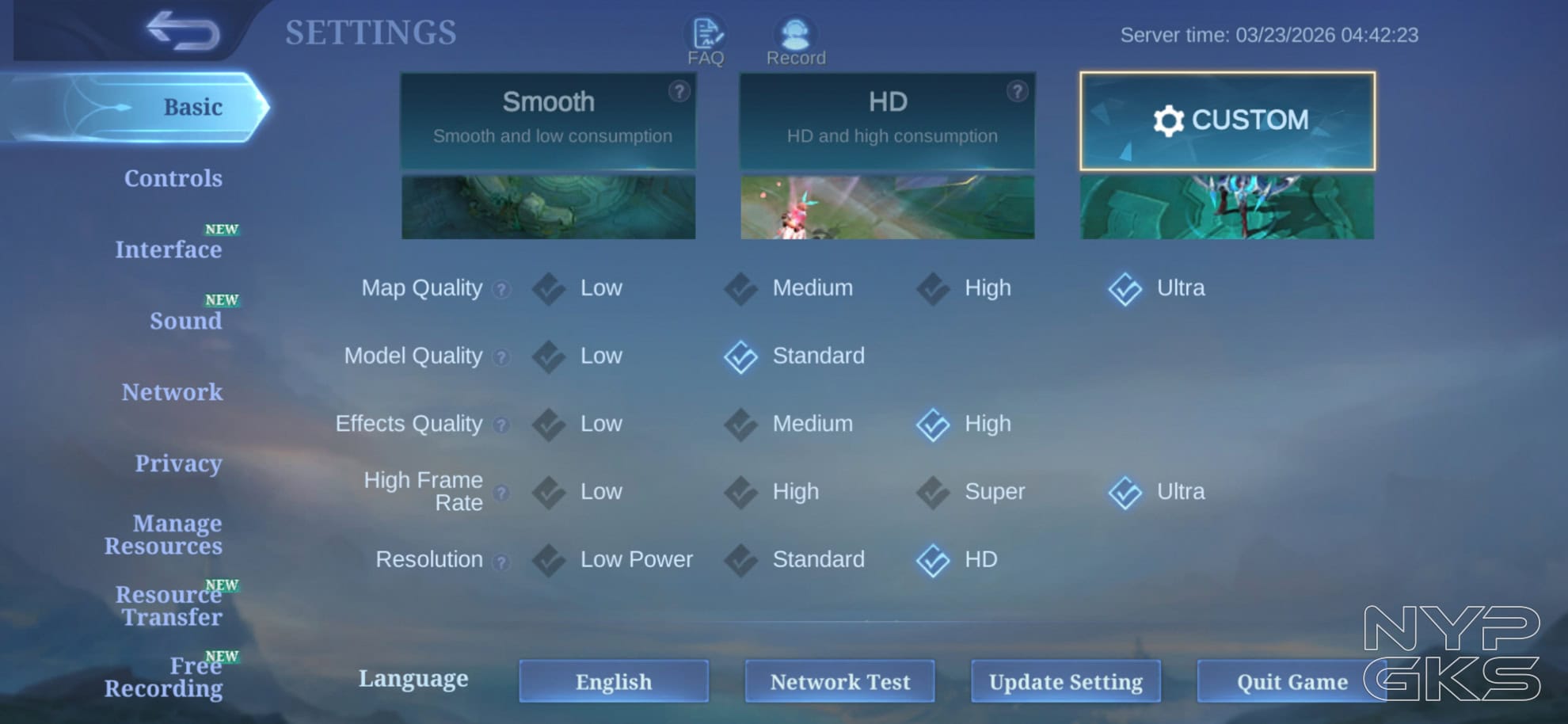
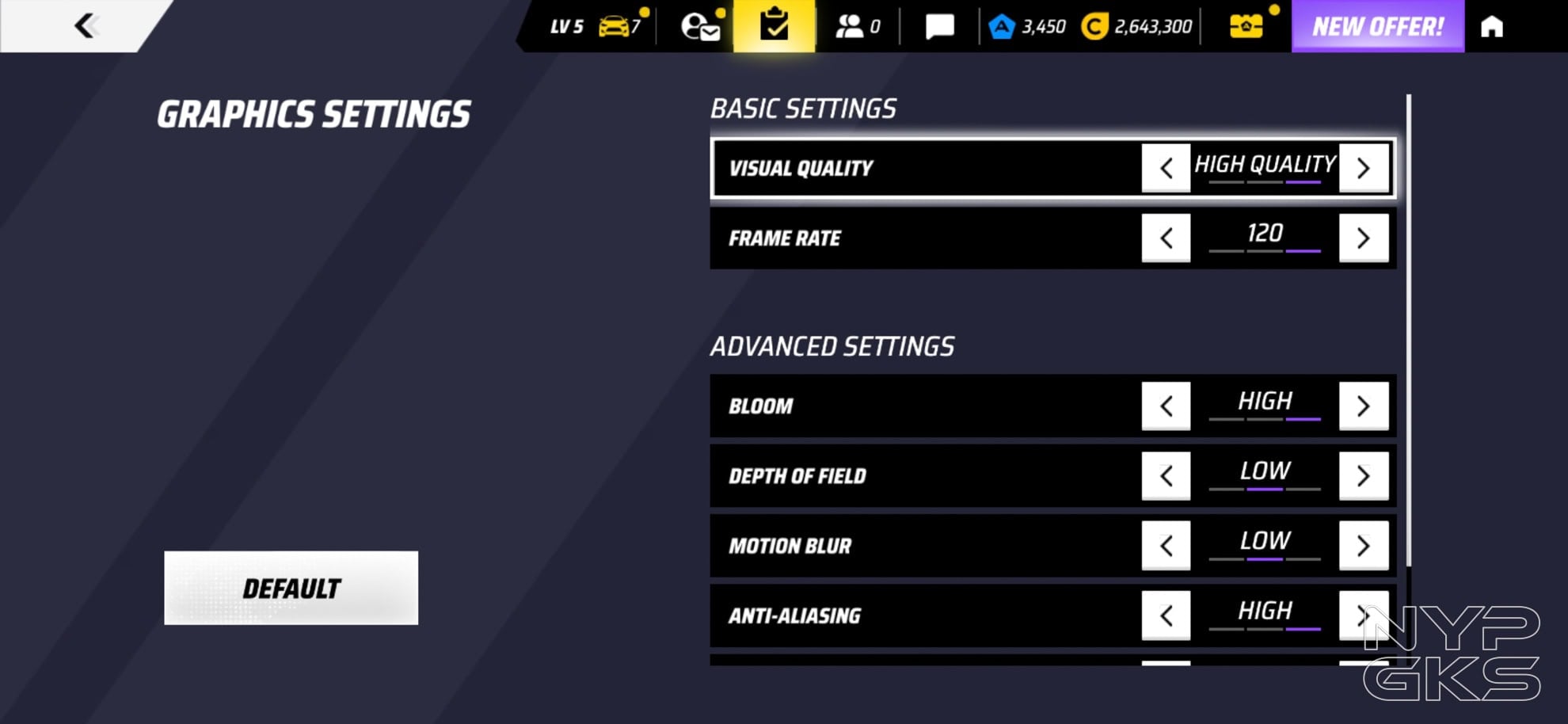
Lighter games, obviously, has no problem with the POCO X8 Pro Max. We have Mobile Legends: Bang Bang running at Ultra and Asphalt Legends Unite under High Quality at 120 frames.
| Game | Graphics Settings |
| Genshin Impact | • Render Resolution: High • Visual Effects: High • SFX Quality: High • Frame Rate: 60 |
| PUBG Mobile | • Graphics Quality: Ultra HDR • Frame Rate: Extreme |
| Call of Duty: Mobile | • Graphics Quality: Max • Frame Rate: Max |
| Farlight84 | • Graphics Quality: HD • Frame Rate: 120 |
| Mobile Legends: Bang Bang | • Resolution: HD • Map Quality: Ultra • Frame Rate: Ultra |
| Asphalt Legends Unite | • Visual Quality: High Quality • Frame Rate: 120 |
Software and User Interface
The POCO X8 Pro Max ships with Android 16-based HyperOS 3. It is guaranteed to receive 4 OS upgrades and 6 years of security patches. Not the longest we’ve seen, but still very commendable for what you’re paying.
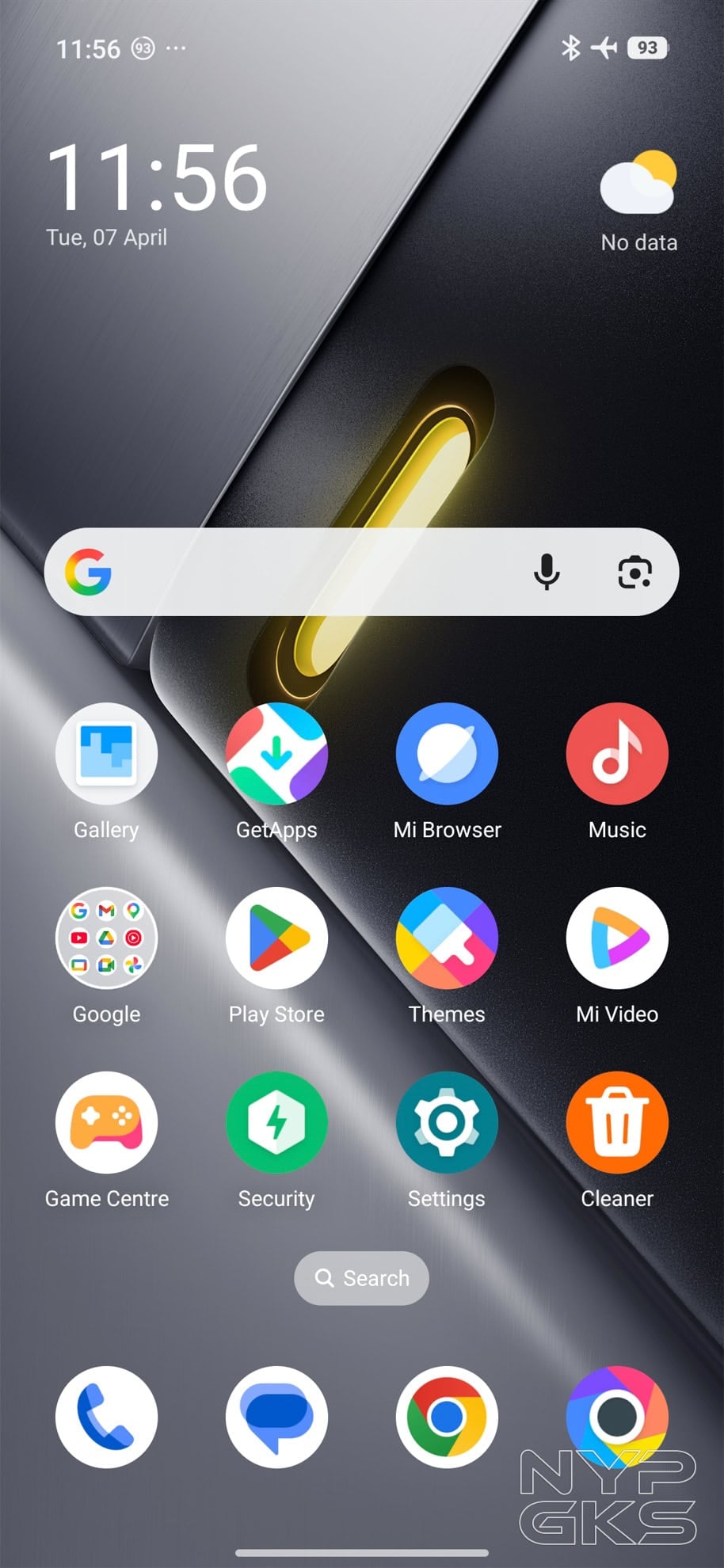
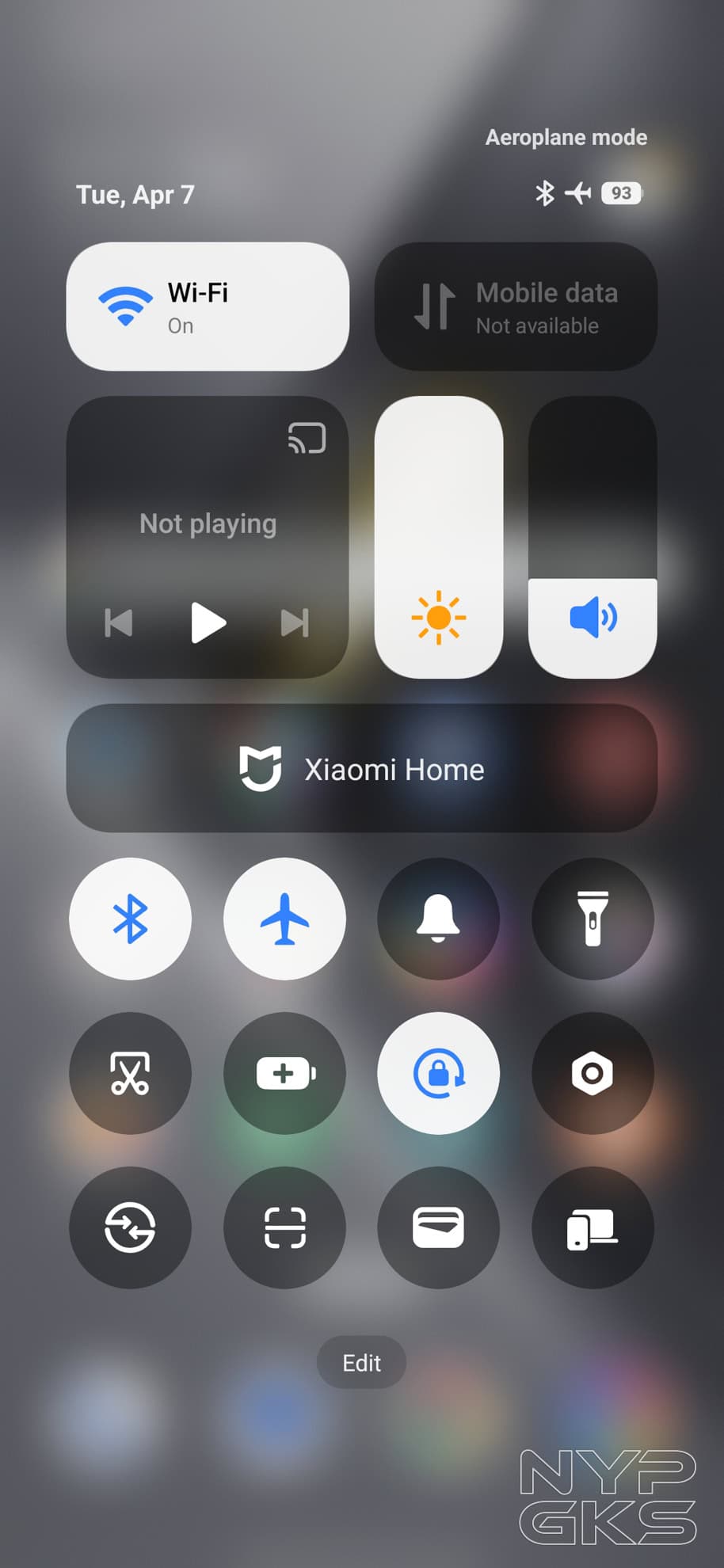
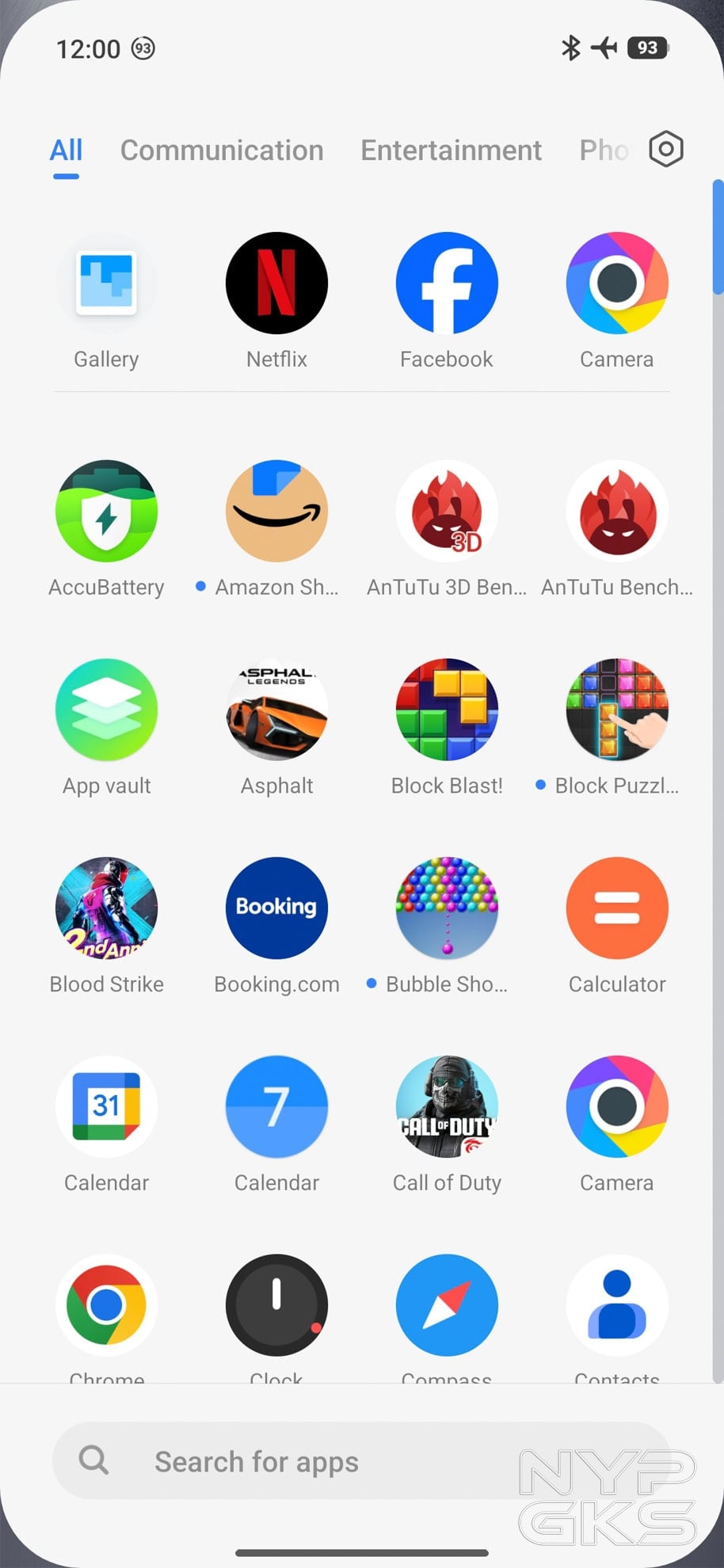
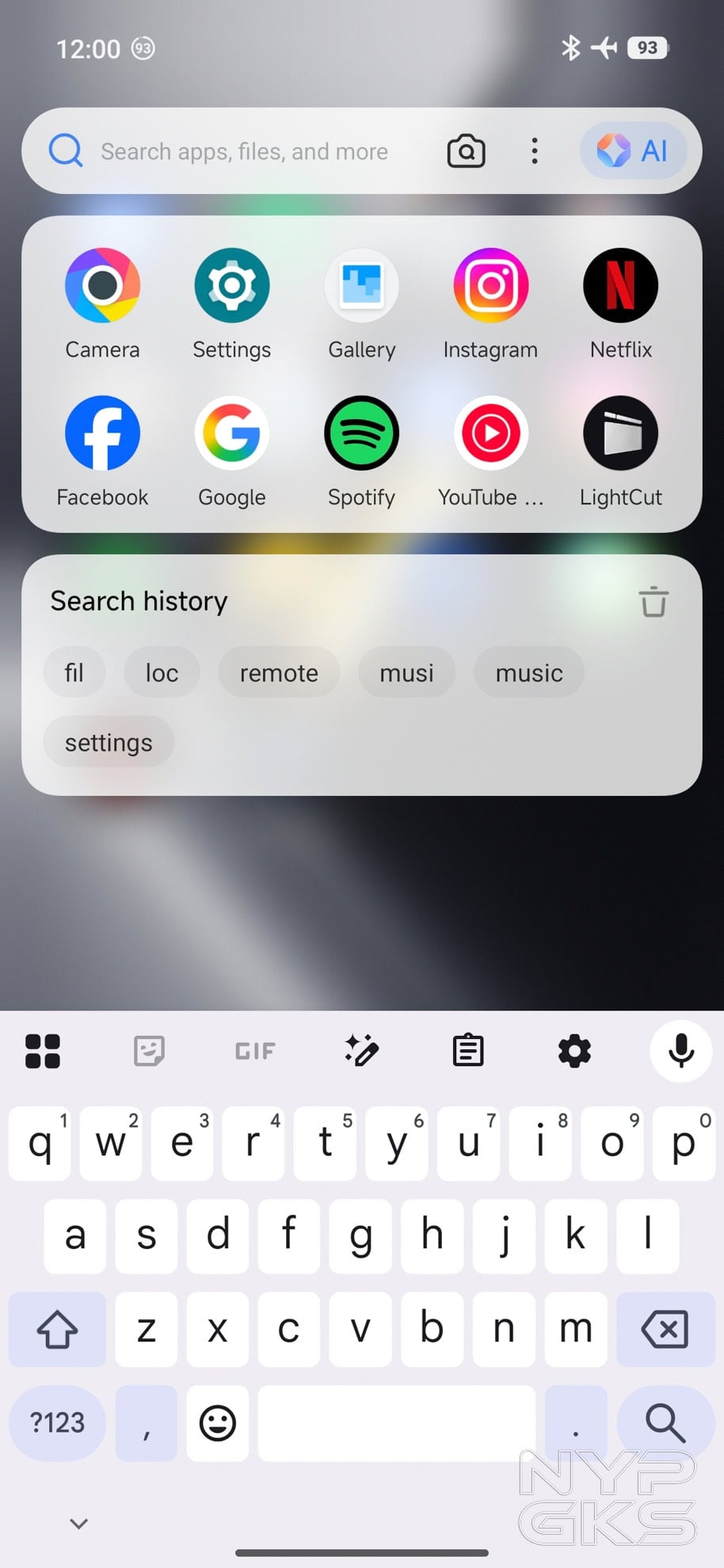
HyperOS is far from being the cleanest interface we’ve seen, but it’s still very intuitive and easy to use, especially if you’re already a Xiaomi user. It feels pretty fluid, too, with smooth and clean transitions and animations all around.
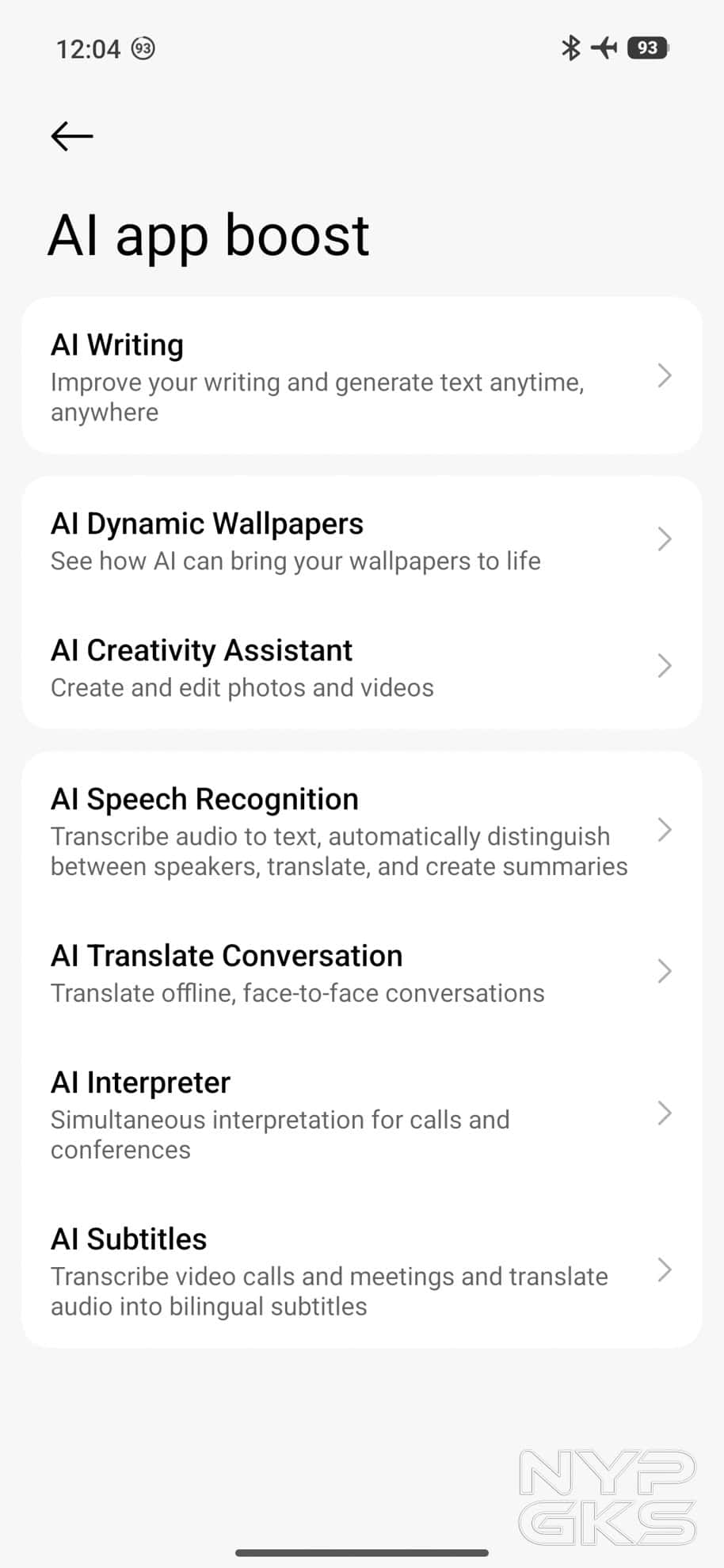
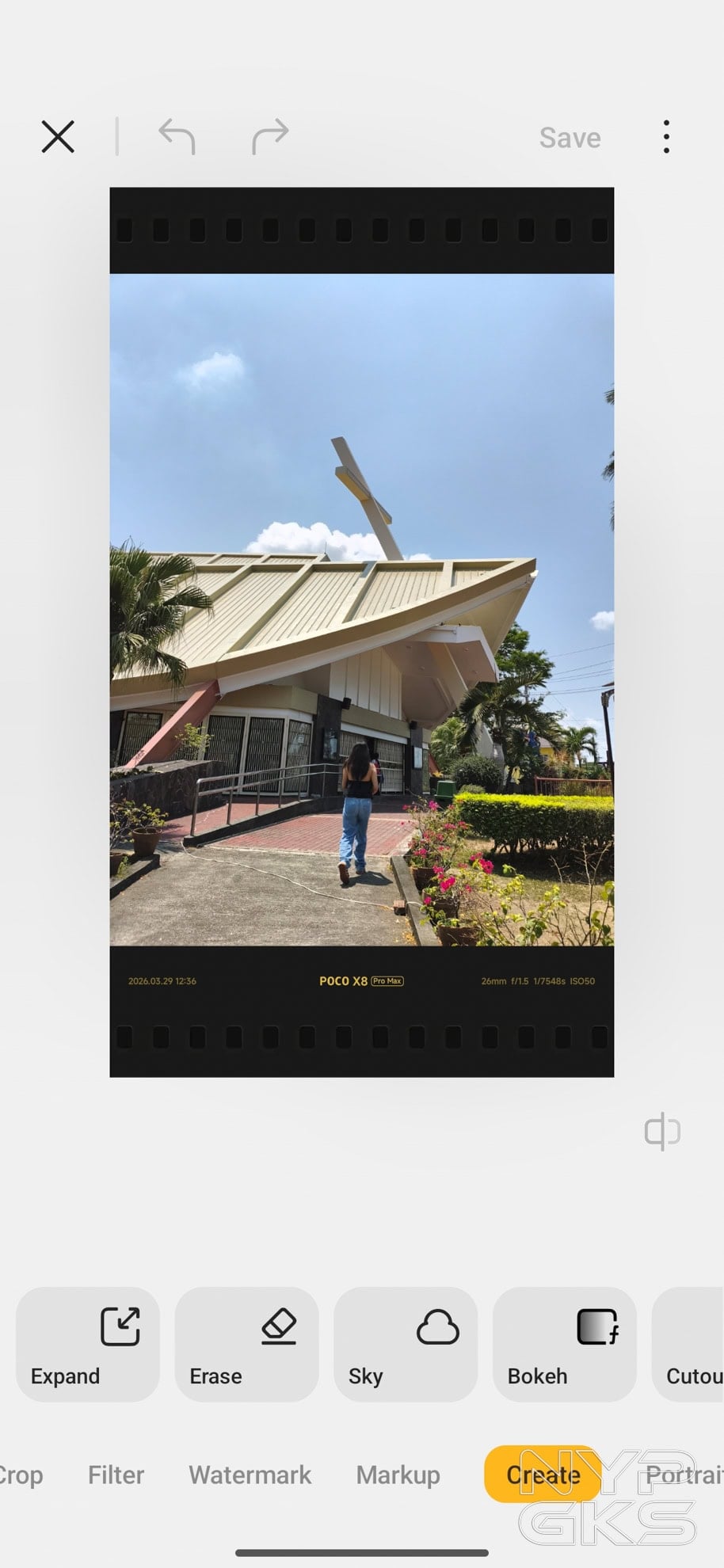
Apart from Google Gemini, it has a slew of AI features you come to expect from a 2026 phone. There’s the AI Writer, Speech Recognition, and more.
Many of those AI features are also found in the Gallery. There’s the AI Erase Pro, Ultra HD (image enhancer), AI Beautify, AI Image Expansion, Cutout, and AI Film (auto edit).
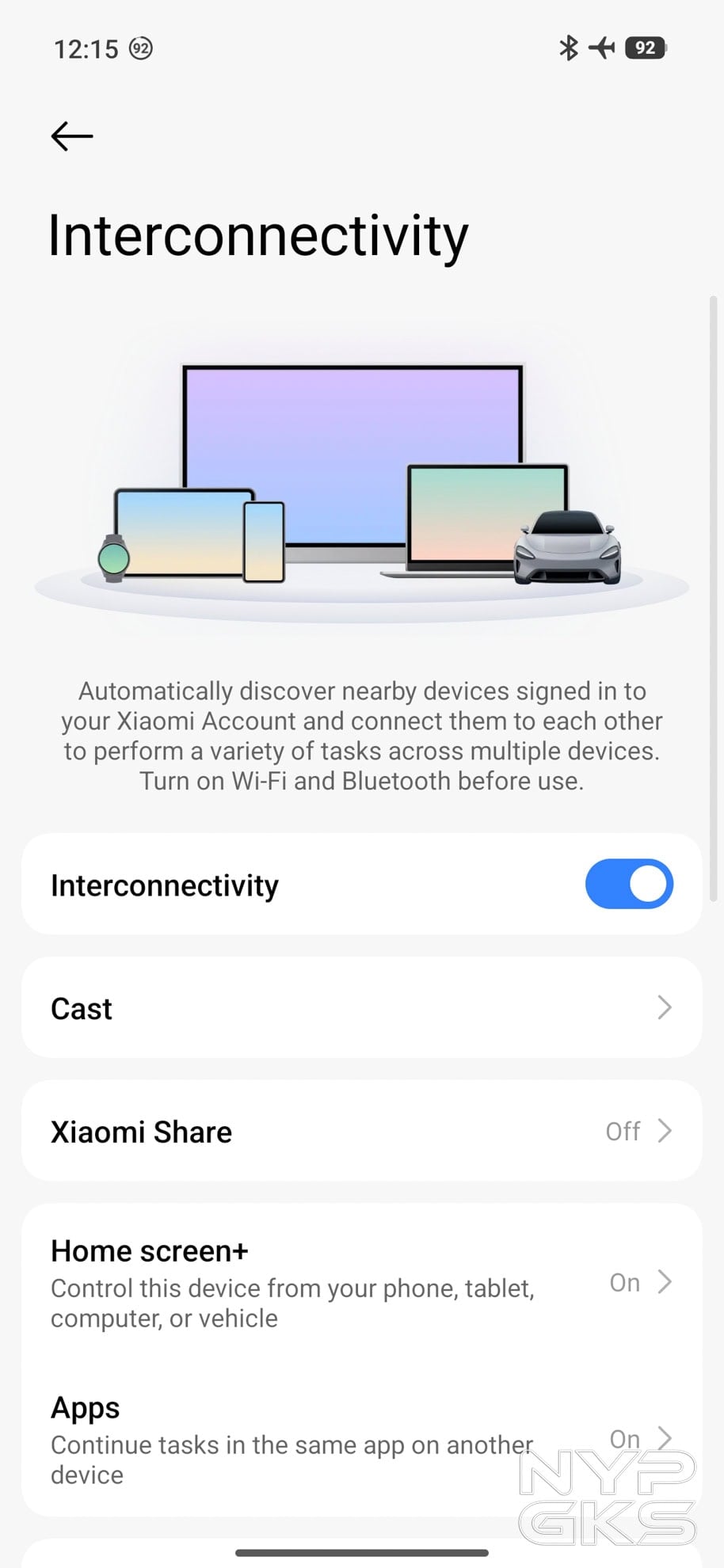
Xiaomi’s Interconnectivity feature is also here, perfect if you’re deep into their ecosystem. It allows you to seamlessly share files, screen cast, continue apps to other devices, sync clipboard, enable cross-device camera, and more between Xiaomi phones, tablets, watches, vehicles, and more.
A few of these features also work with other Android devices, and even on iPhones and iPads.
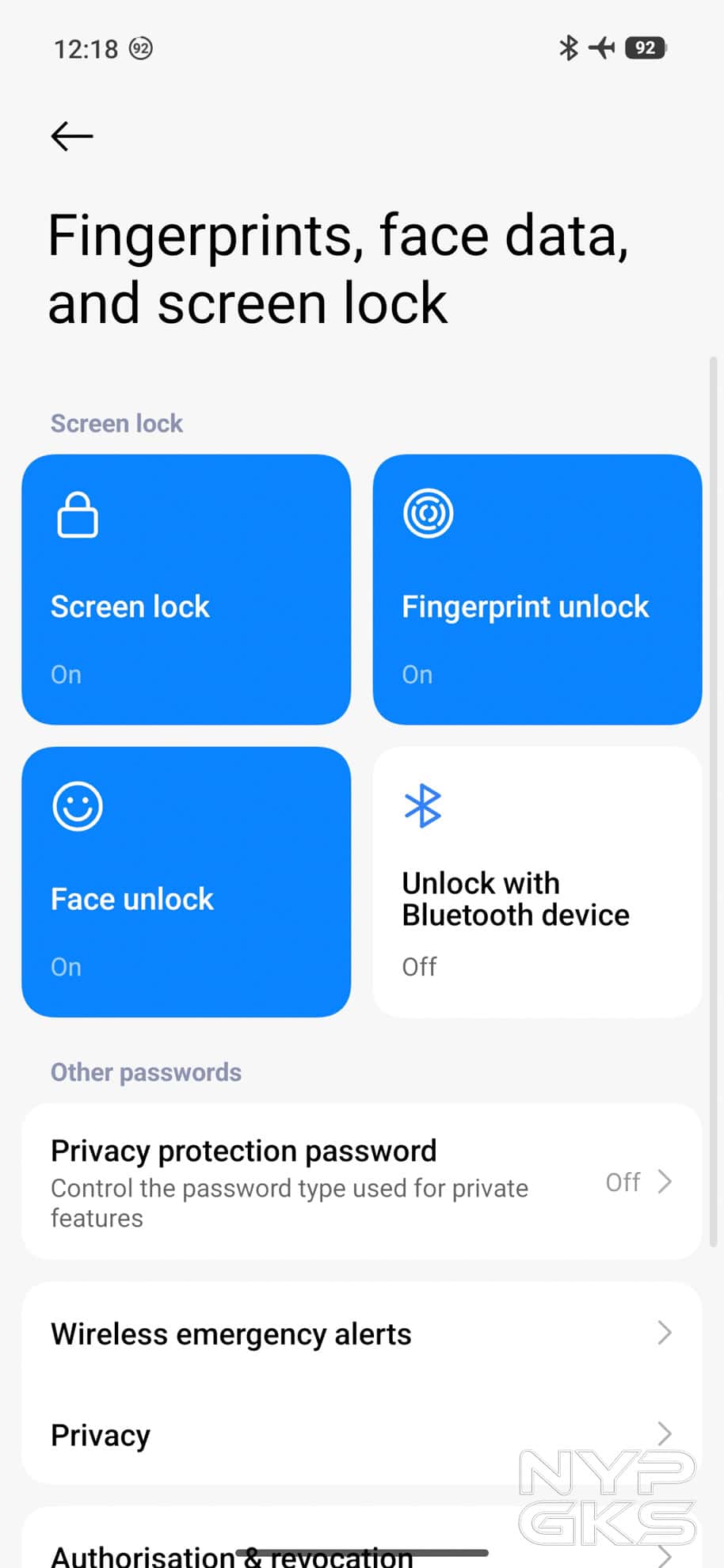
For security, both the ultrasonic fingerprint scanner and face unlock worked fast and accurately with no issues.
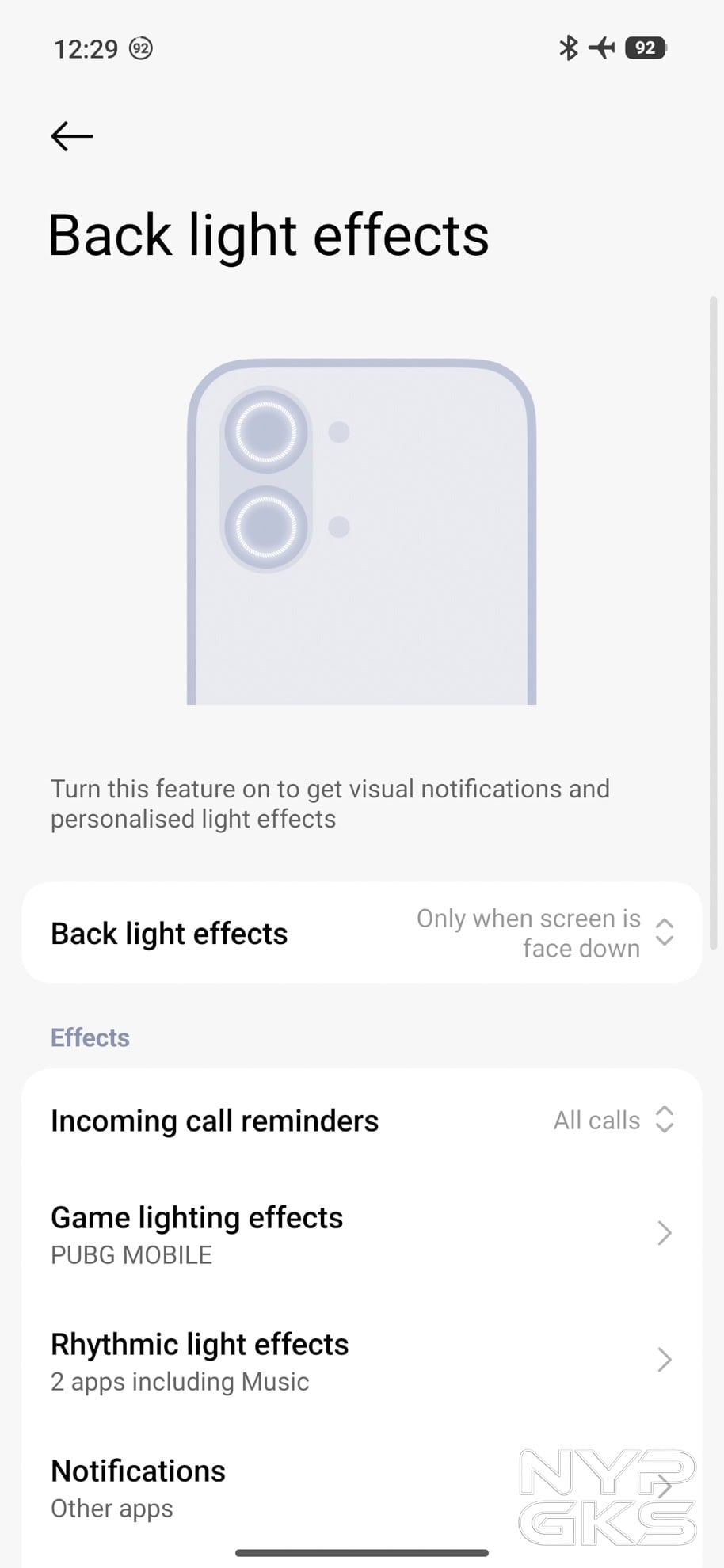
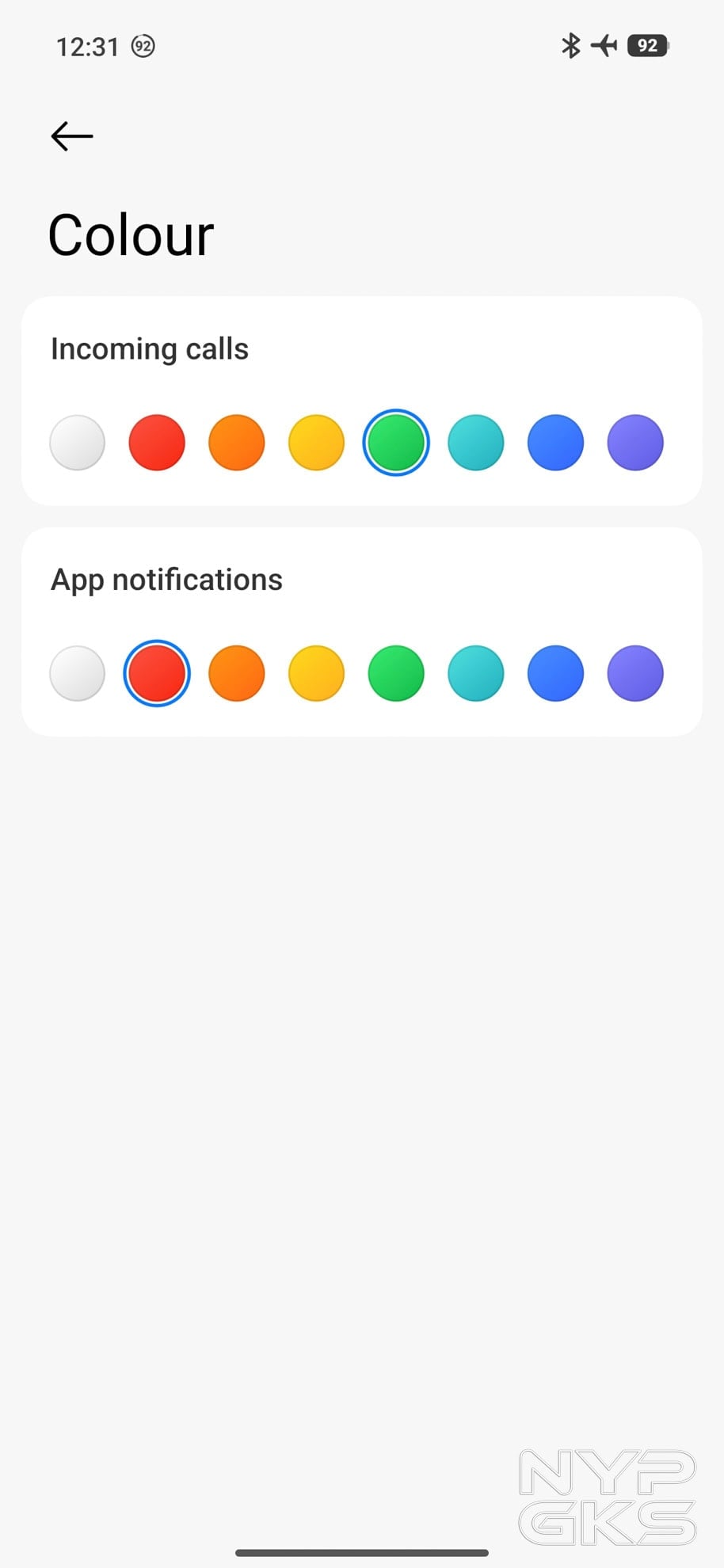
As mentioned earlier, there are also the RGB lights around the bezels of the two rear cameras. You can have it light up all the time, or only when face down. There are also different colors to choose from and the brightness is adjustable.
You can have it light up when you receive notifications, dance with the music, play games, when charging, and when using a timer on the camera.
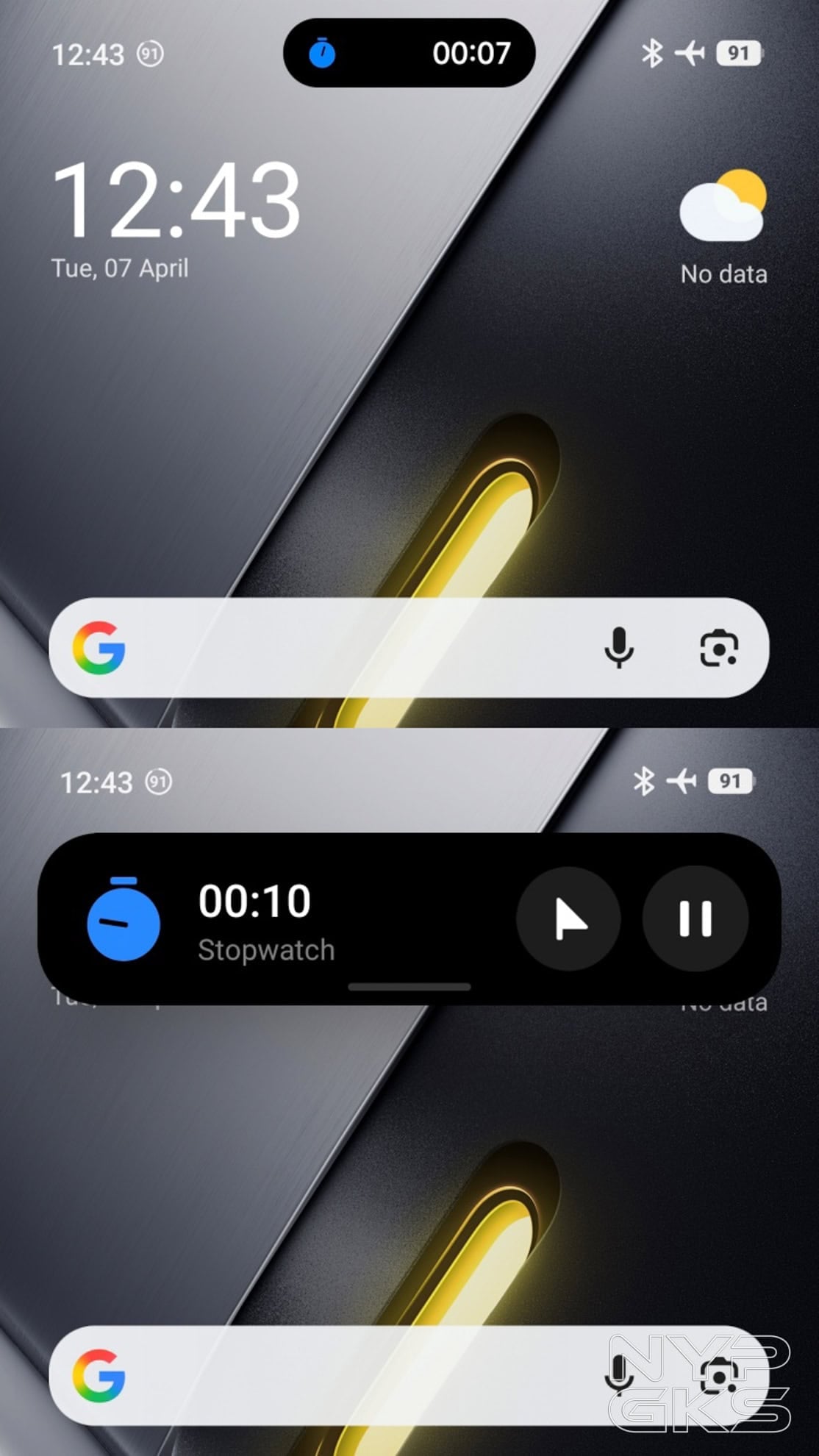
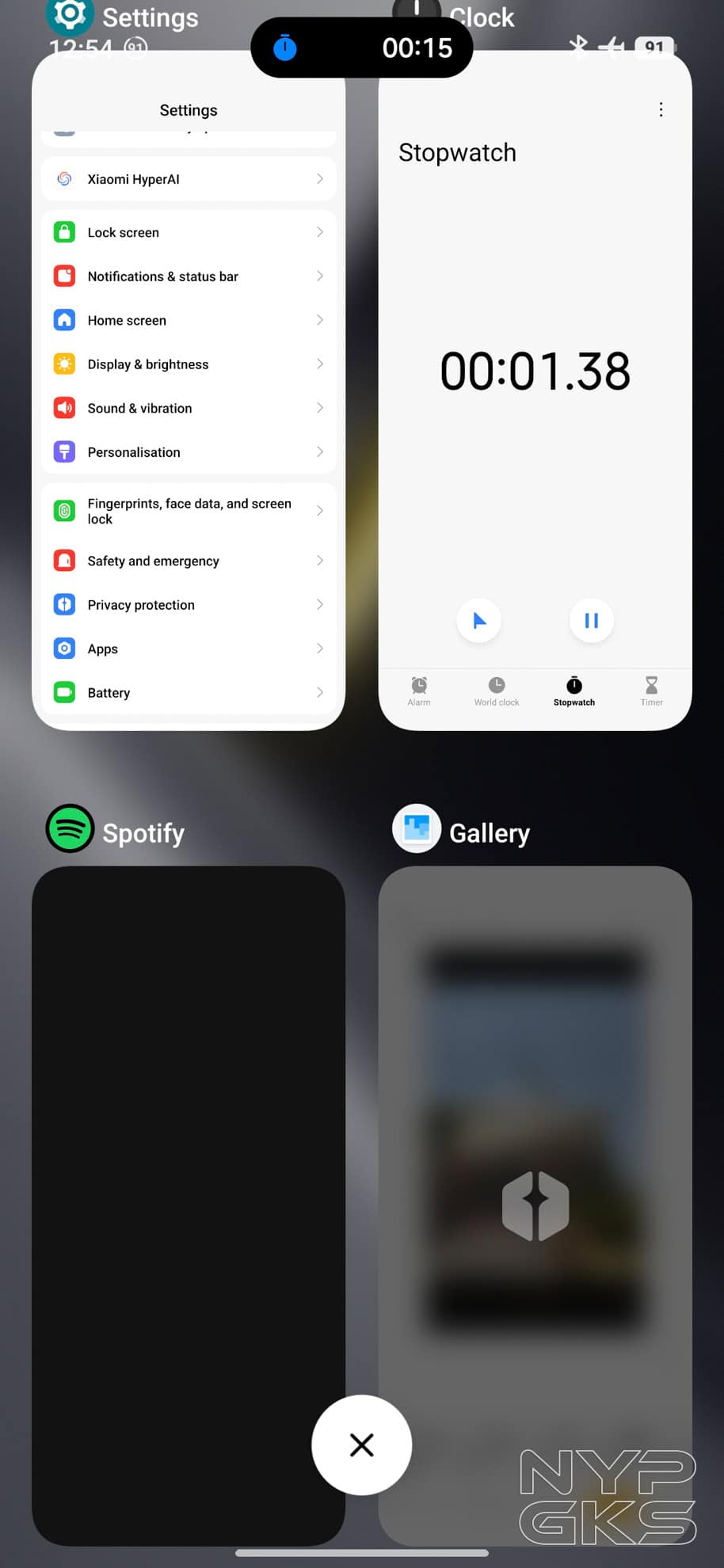
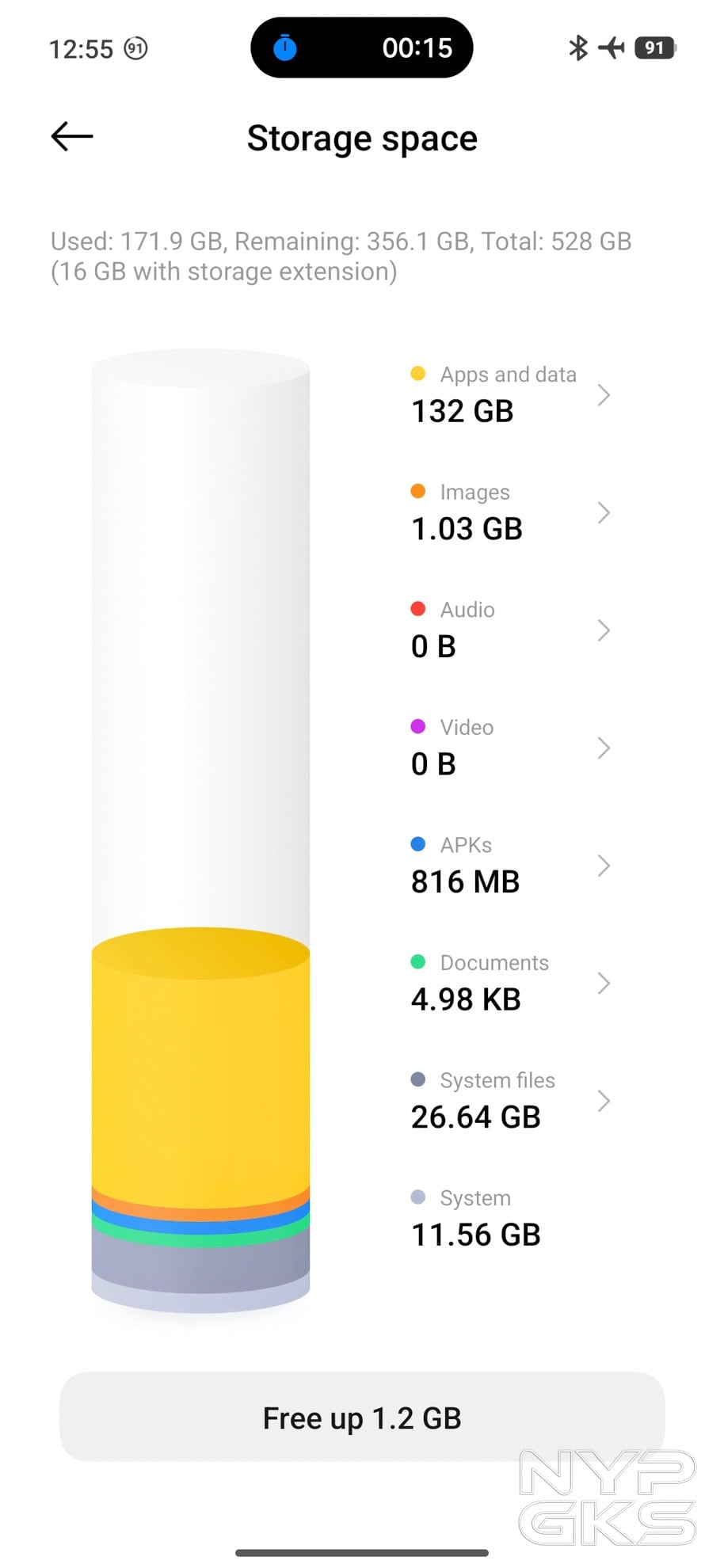
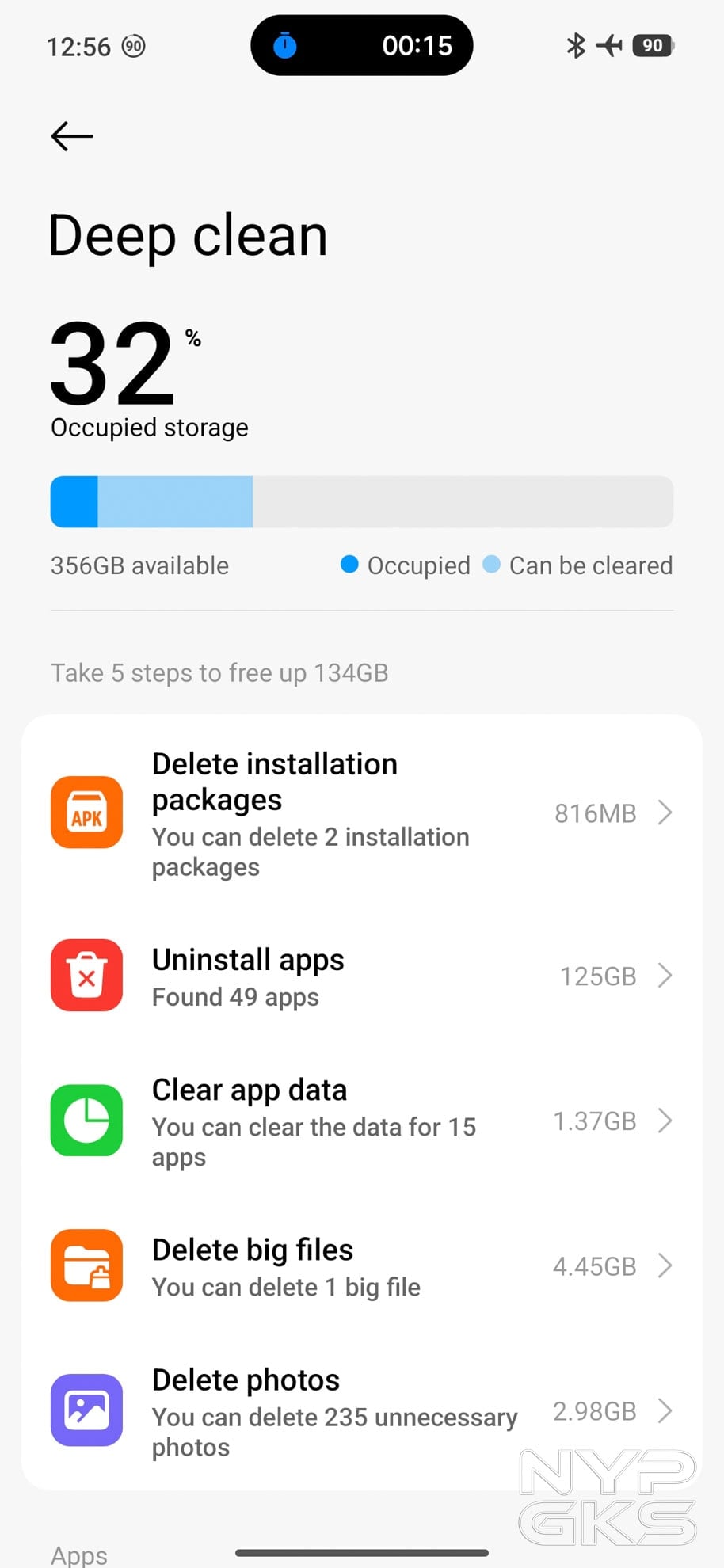
Super Island is also here for quick shortcuts around the punch-hole. It can show active timer, calendar events, calls, media playing on platforms like Spotify, and more.
Cameras
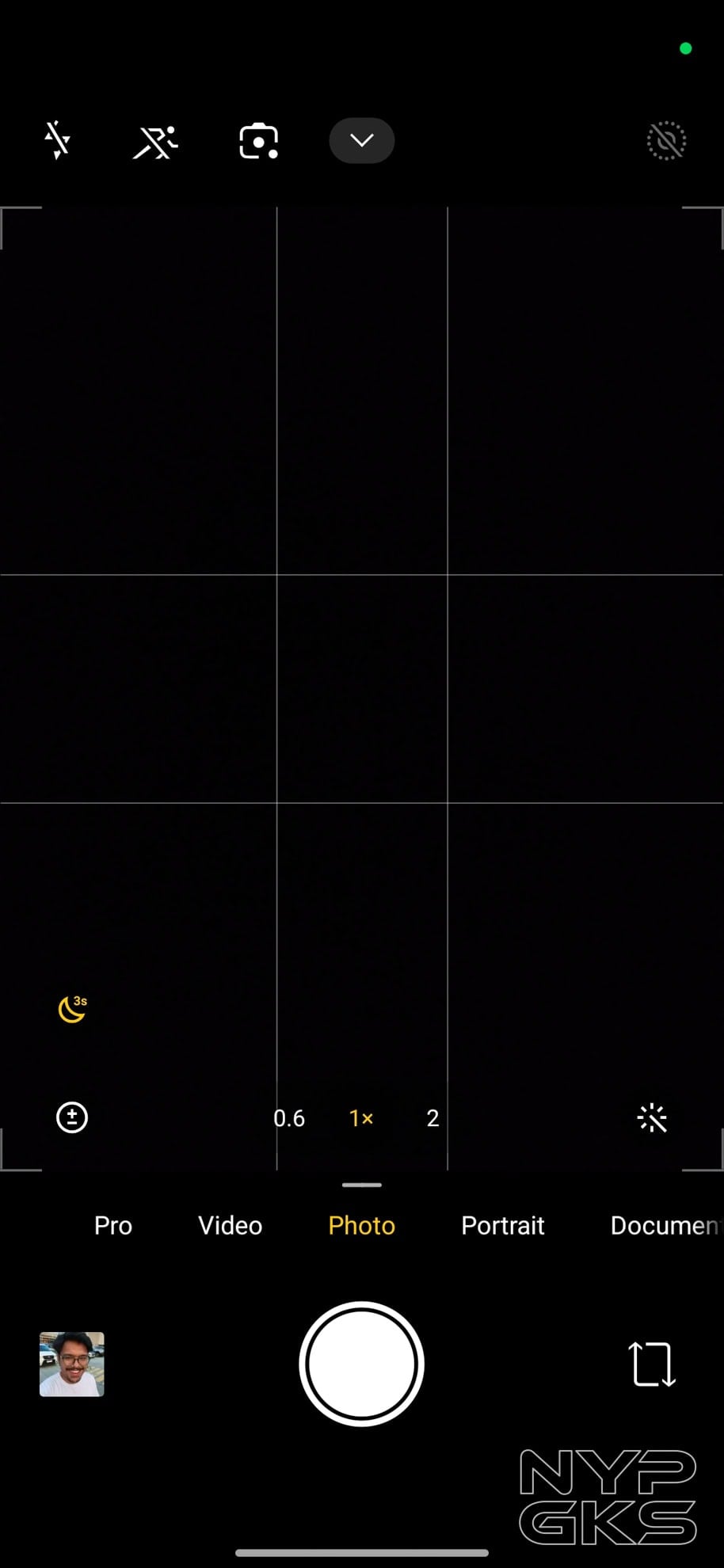
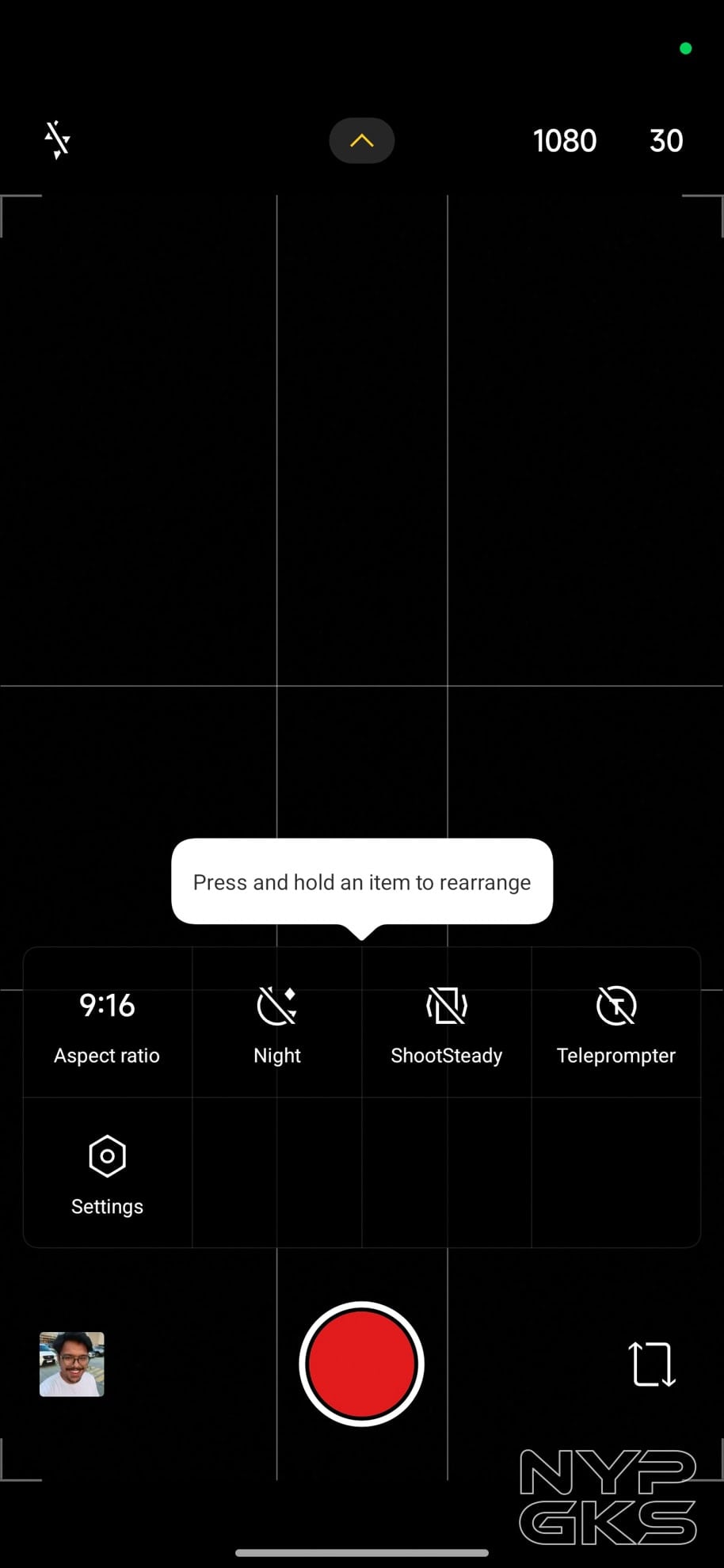
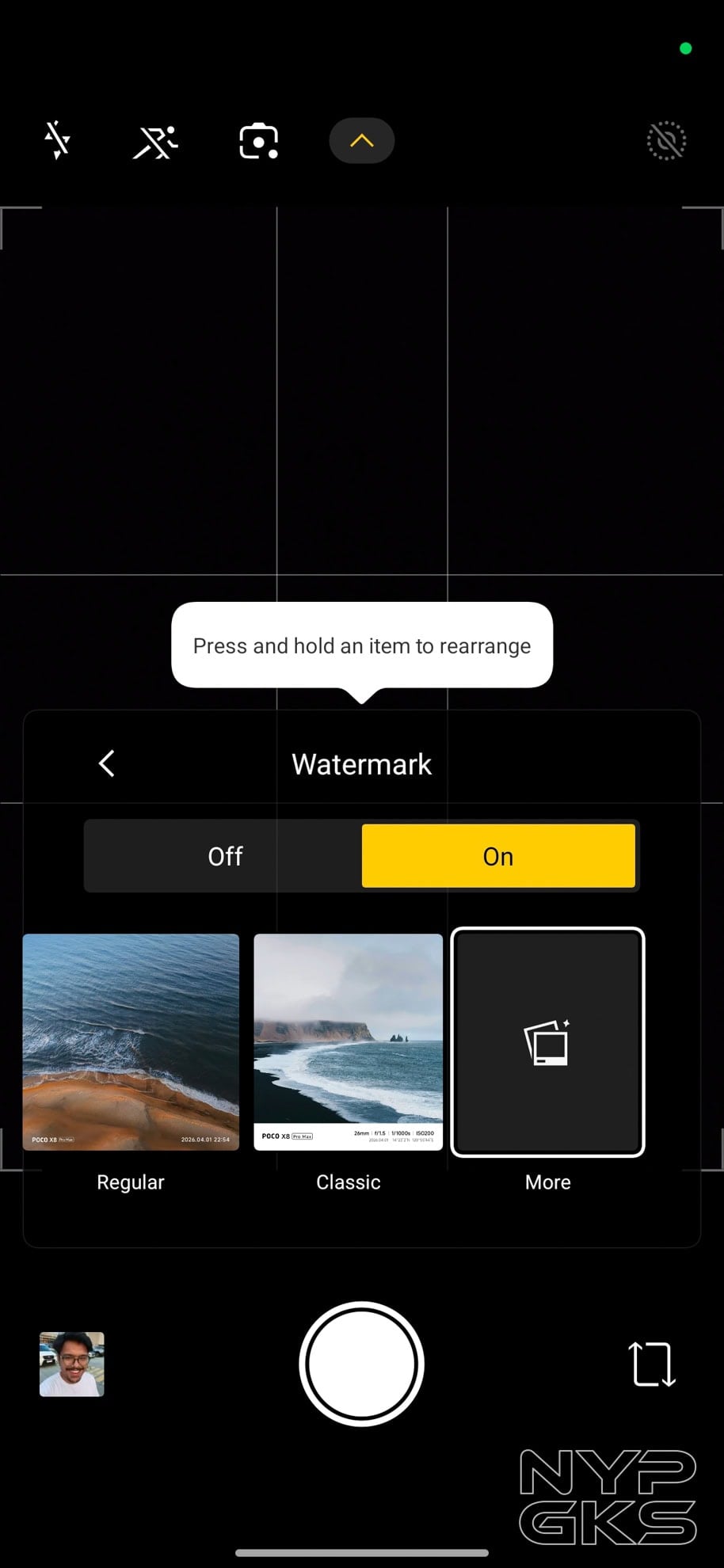
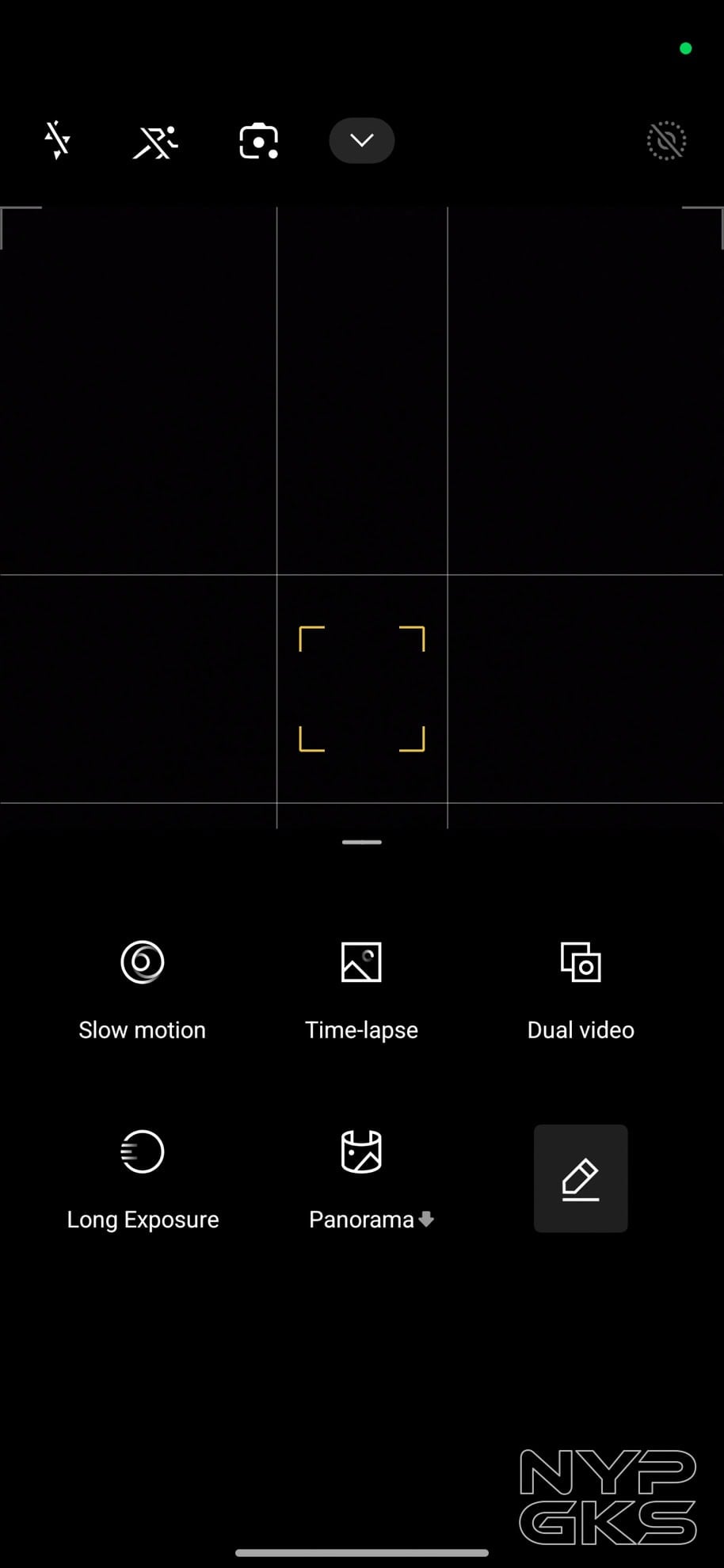
The POCO X8 Pro Max doesn’t deliver class-leading imaging quality, but it performs better than expected for its price point. Before diving into real-world results, let’s take a closer look at the camera hardware.
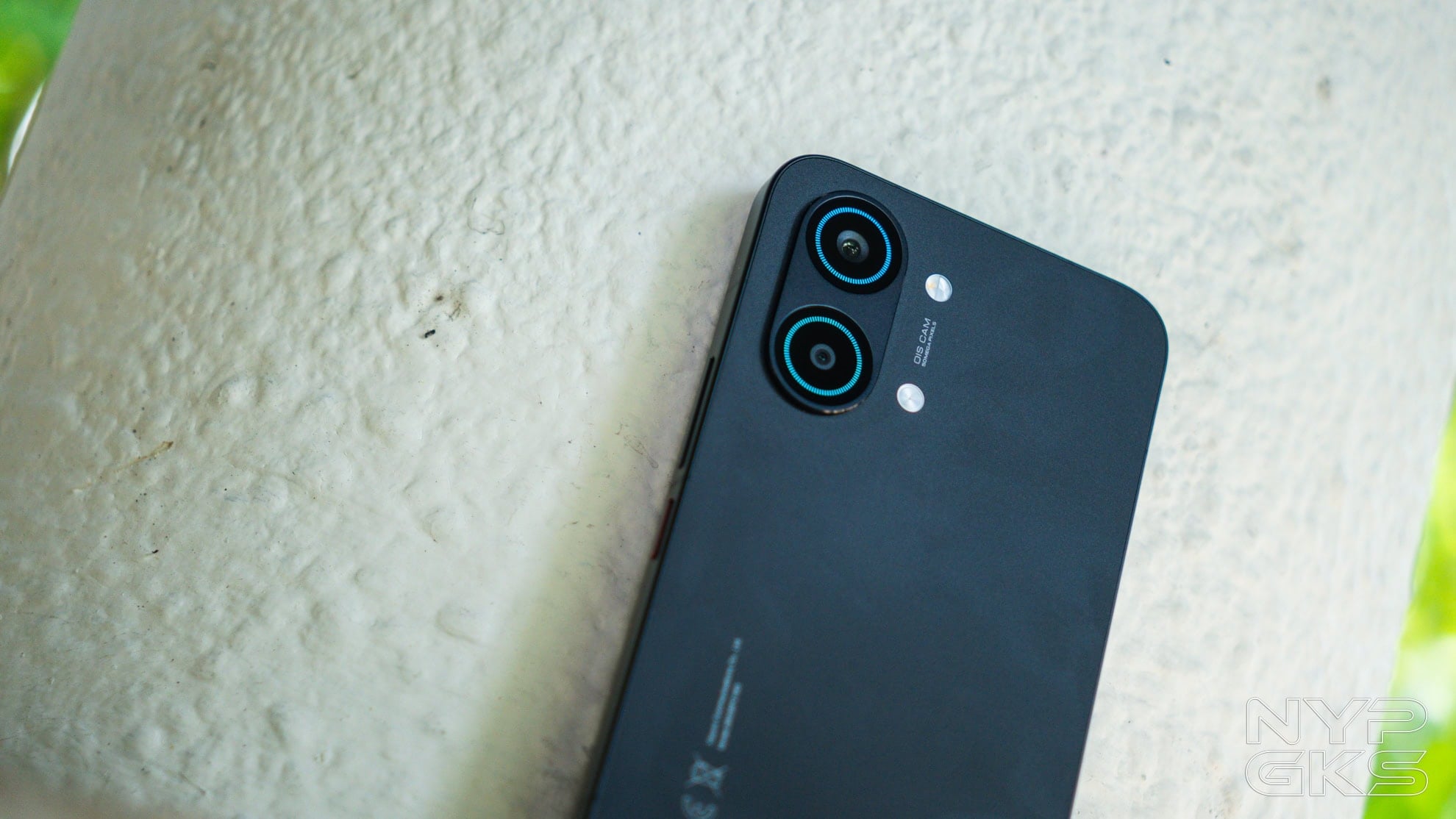
What we have here is a 50-megapixel Light Fusion 600 (a.k.a LYT600) main sensor from Sony, joined by an 8-megapixel ultra-wide with no AF and a 20-megapixel selfie camera.
It can shoot 4K and 1080p videos at 30fps and 60fps, while 720p is only at 30fps. You can also do slow-mo videos at 720p and 1080p at 120fps, 240fps, and 960fps.
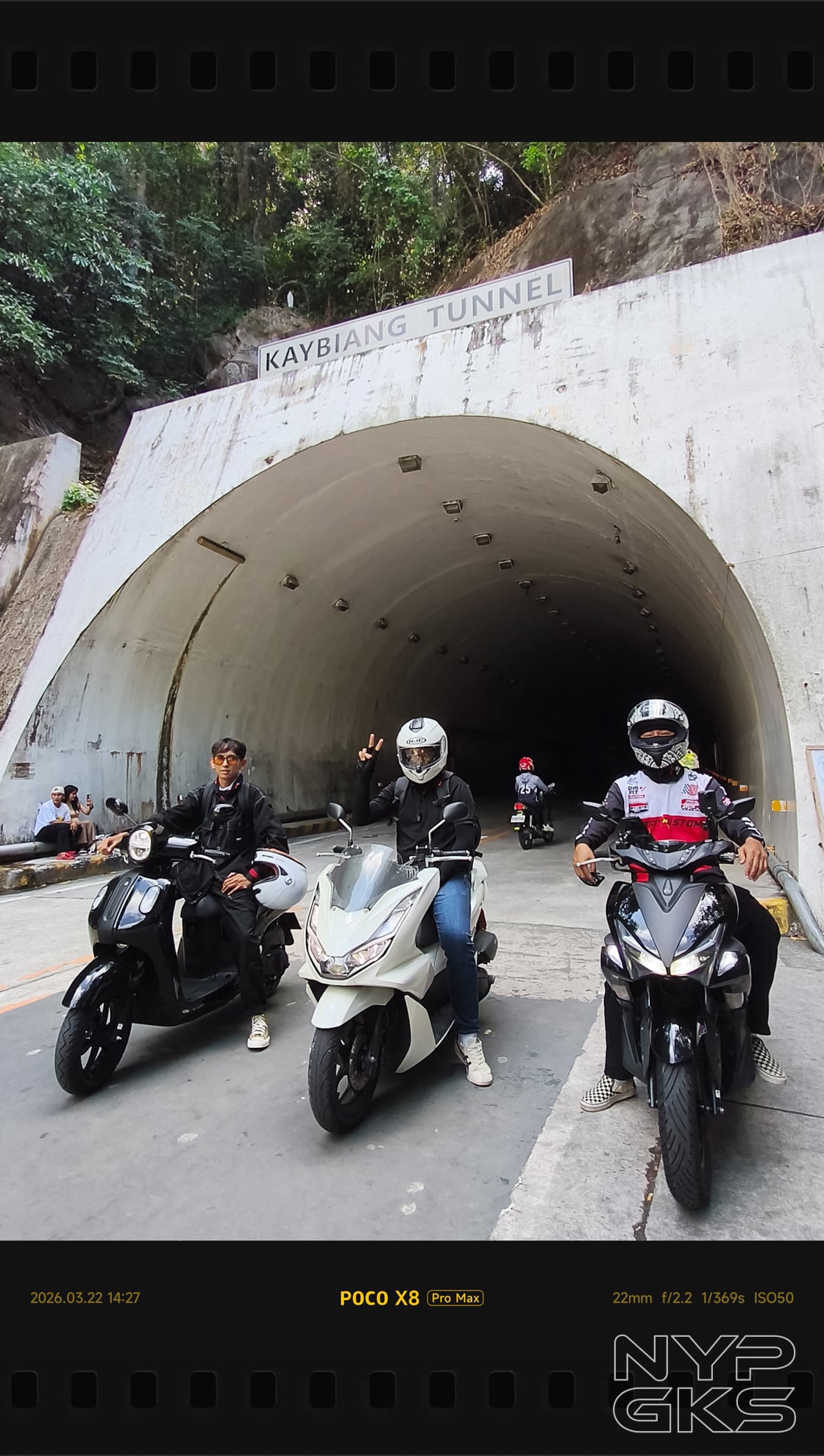
Daylight photos from the main camera are generally quite impressive. Colors are vibrant and eye-catching, though they can appear slightly oversaturated upon closer inspection.
Detail rendition is strong and dynamic range is wide, but some overprocessing becomes noticeable when zooming in.


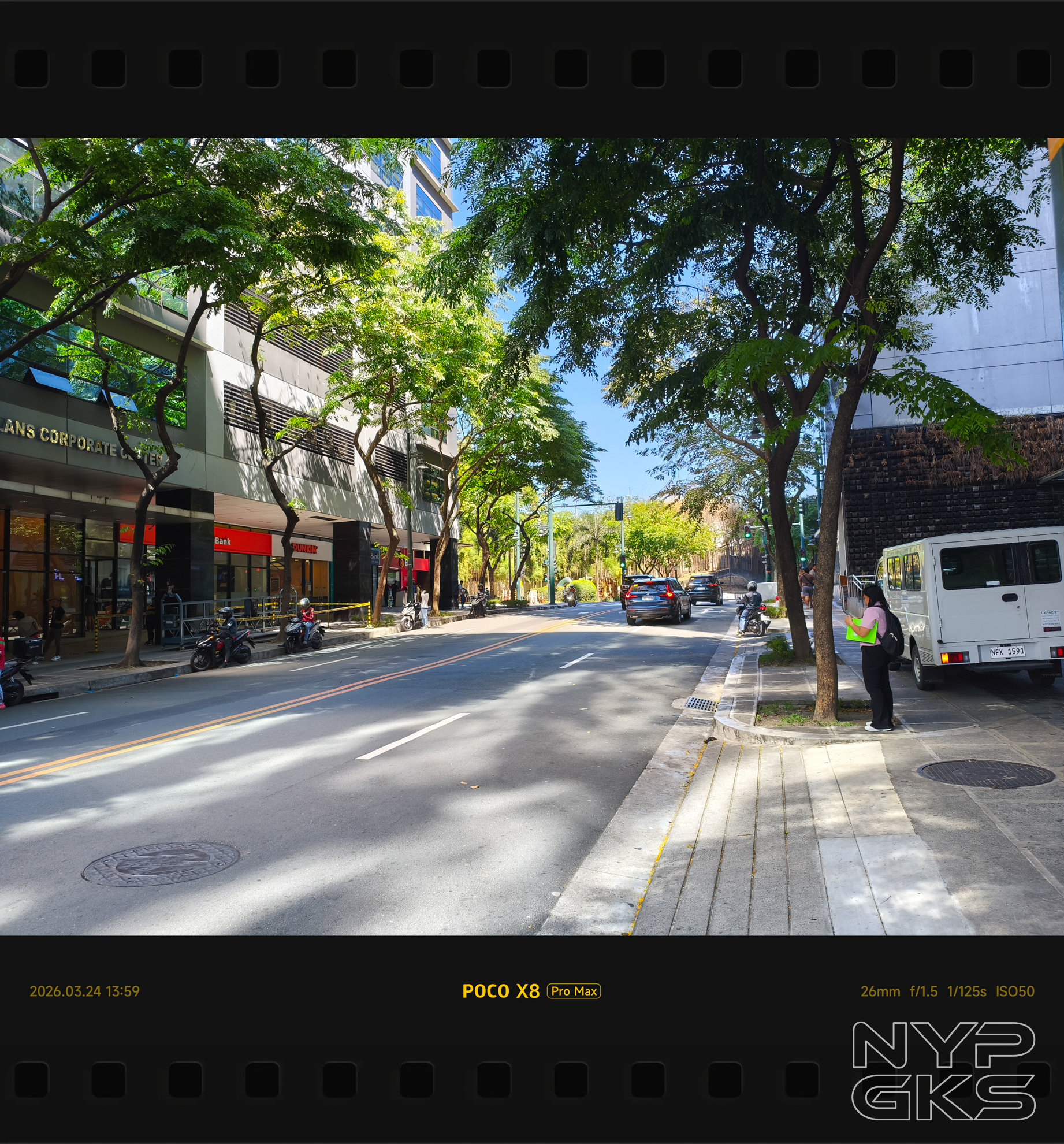

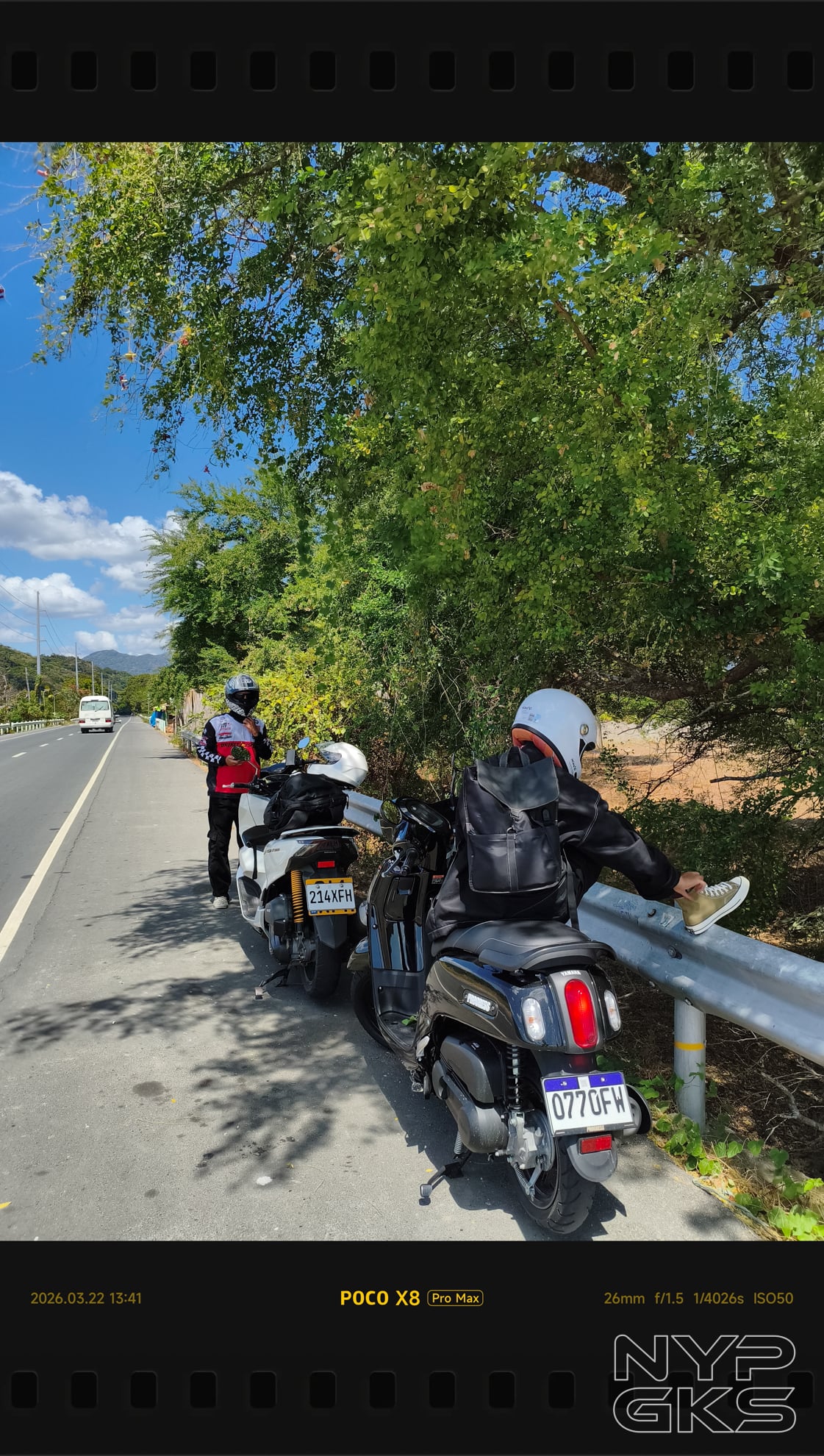


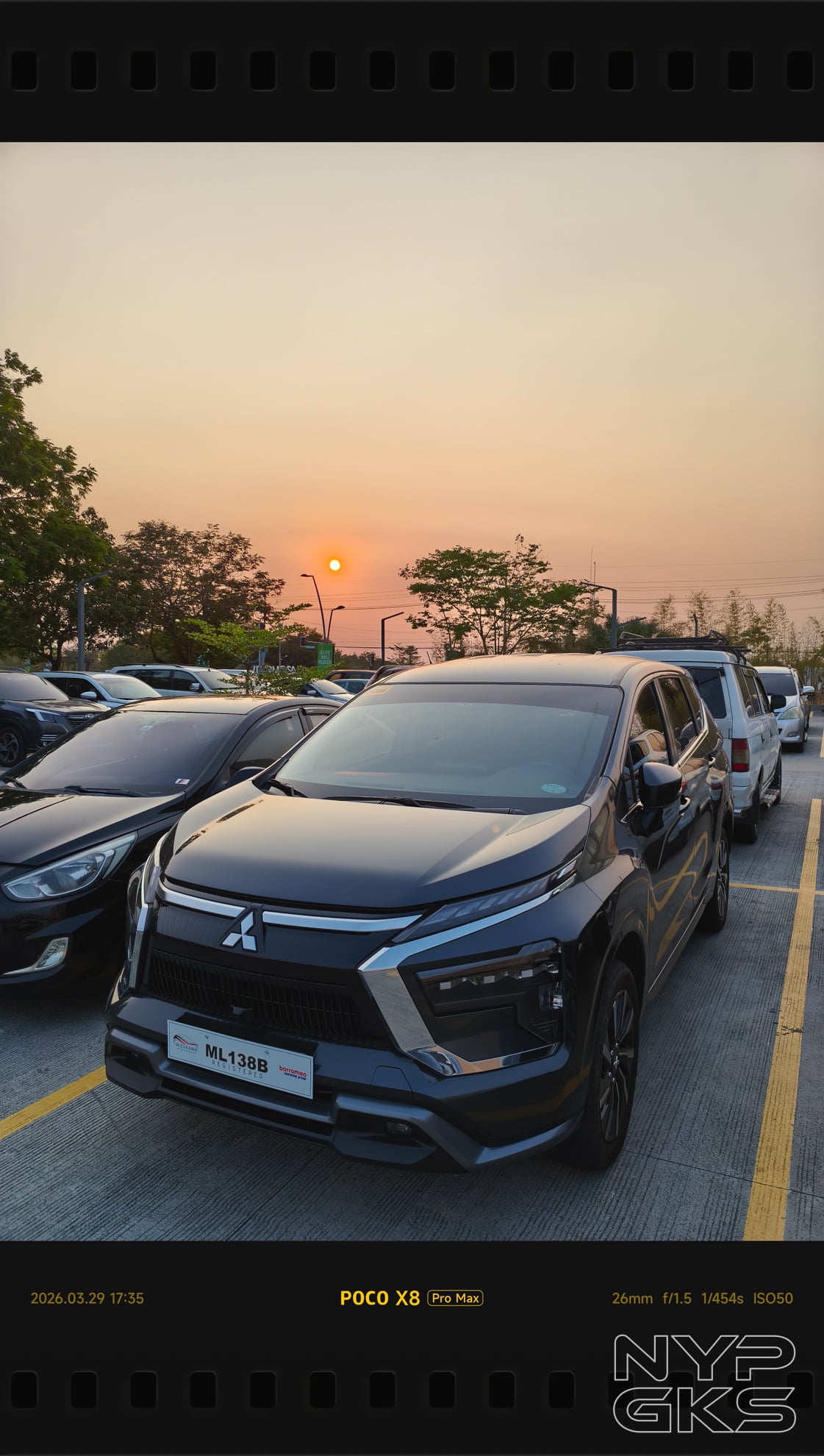



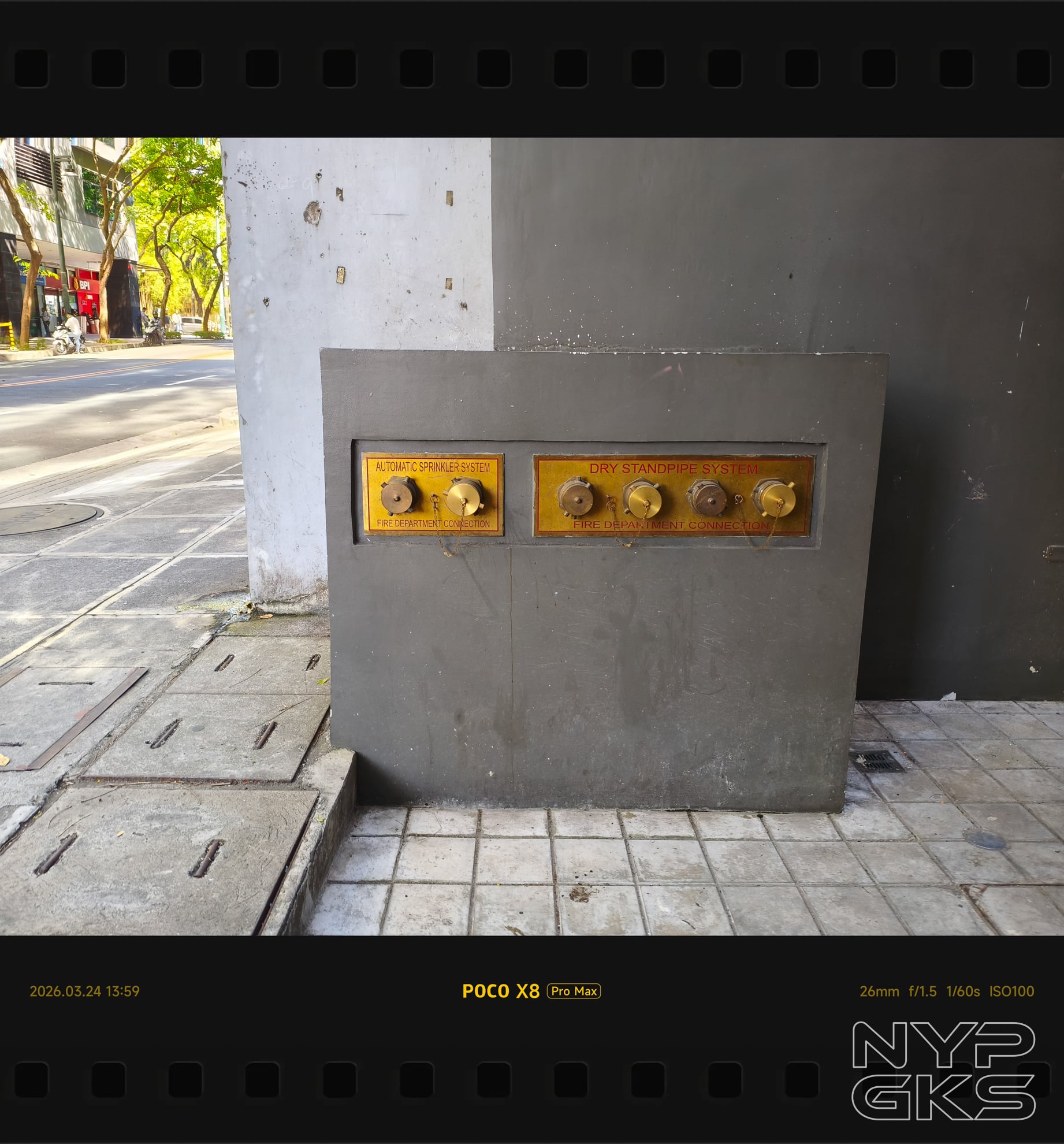
The 2x shots (52mm) look surprisingly good, despite using the same sensor through digital crop. Details and colors are nice, but again, just don’t zoom in much.
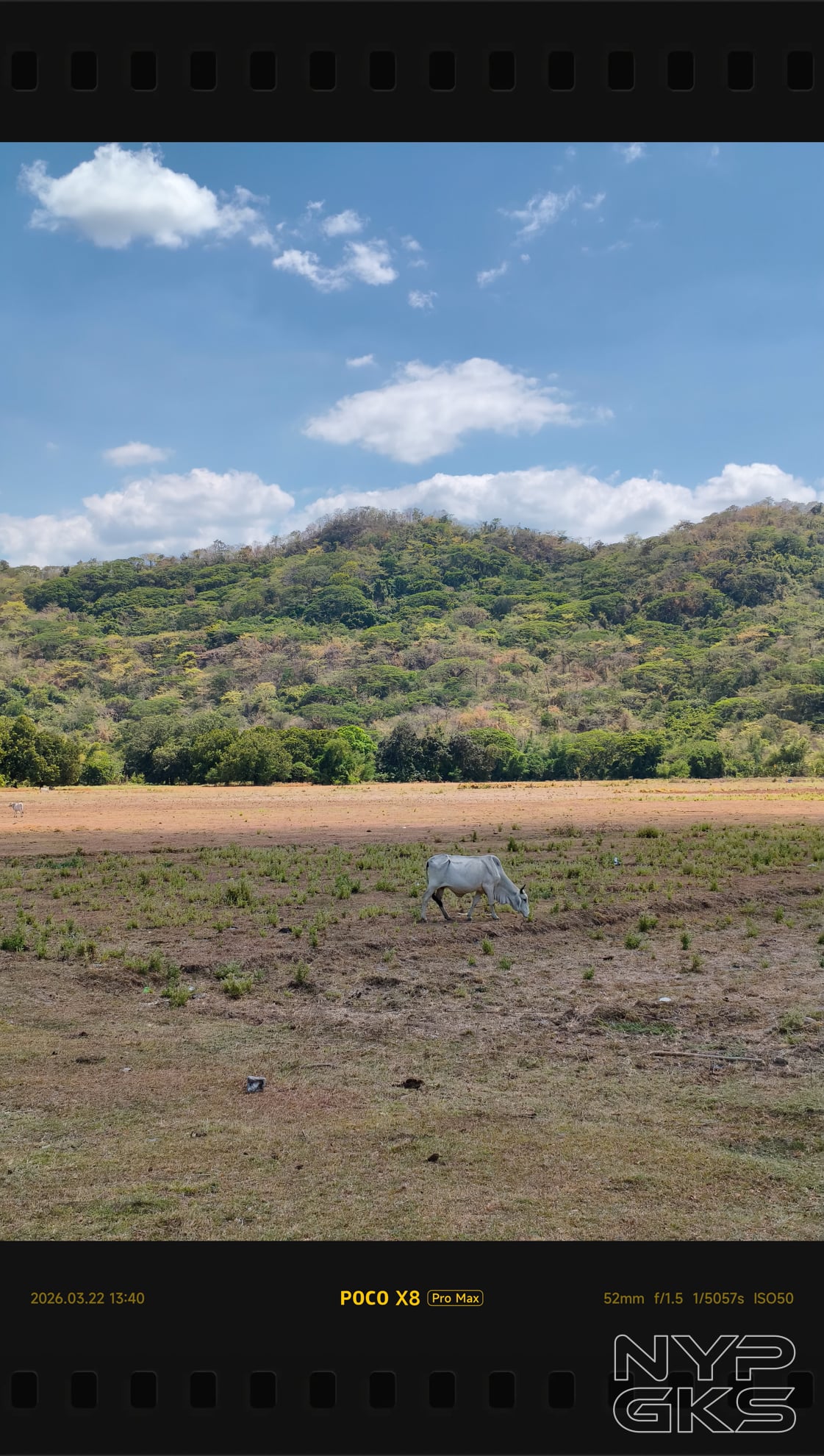
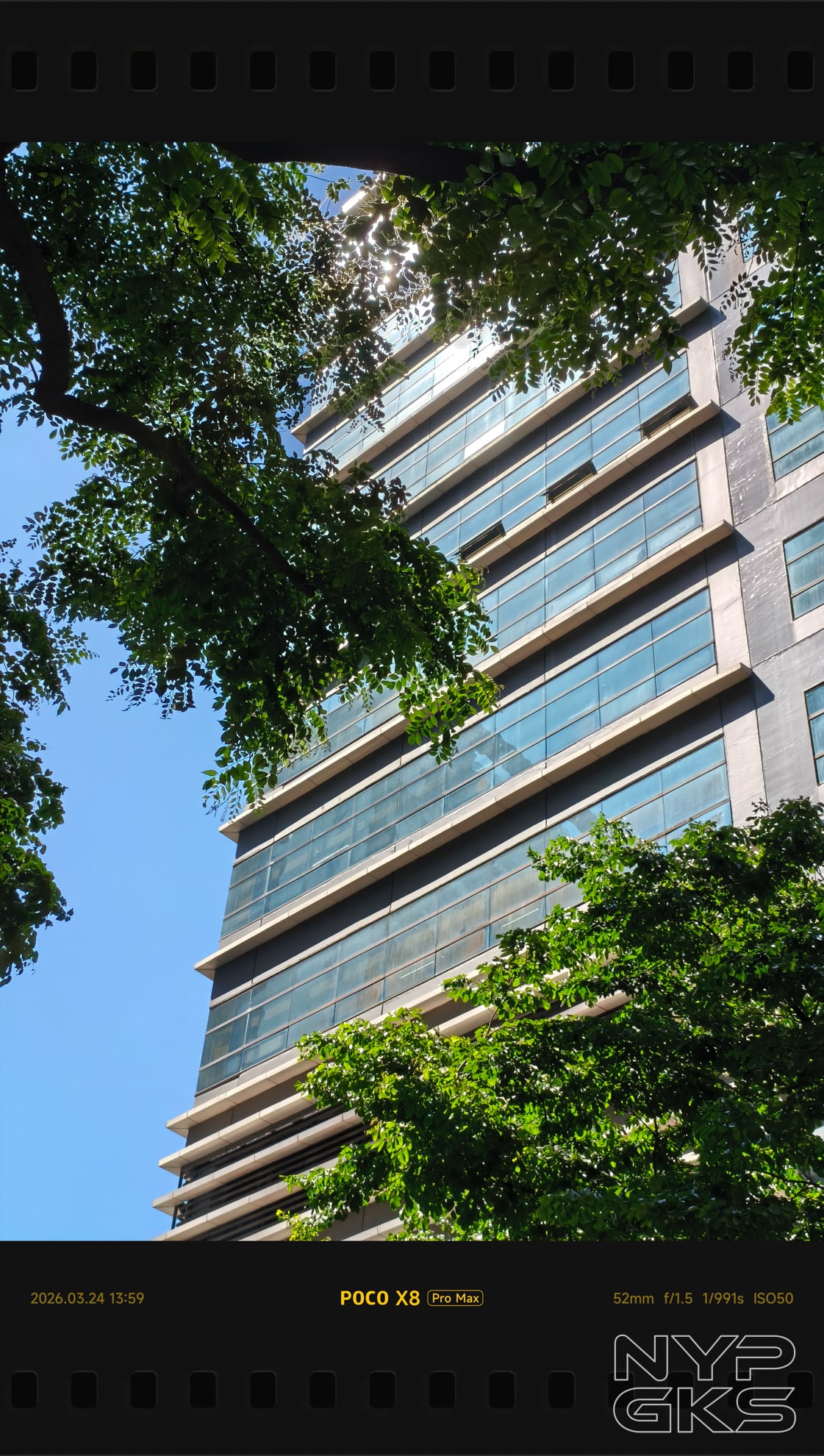

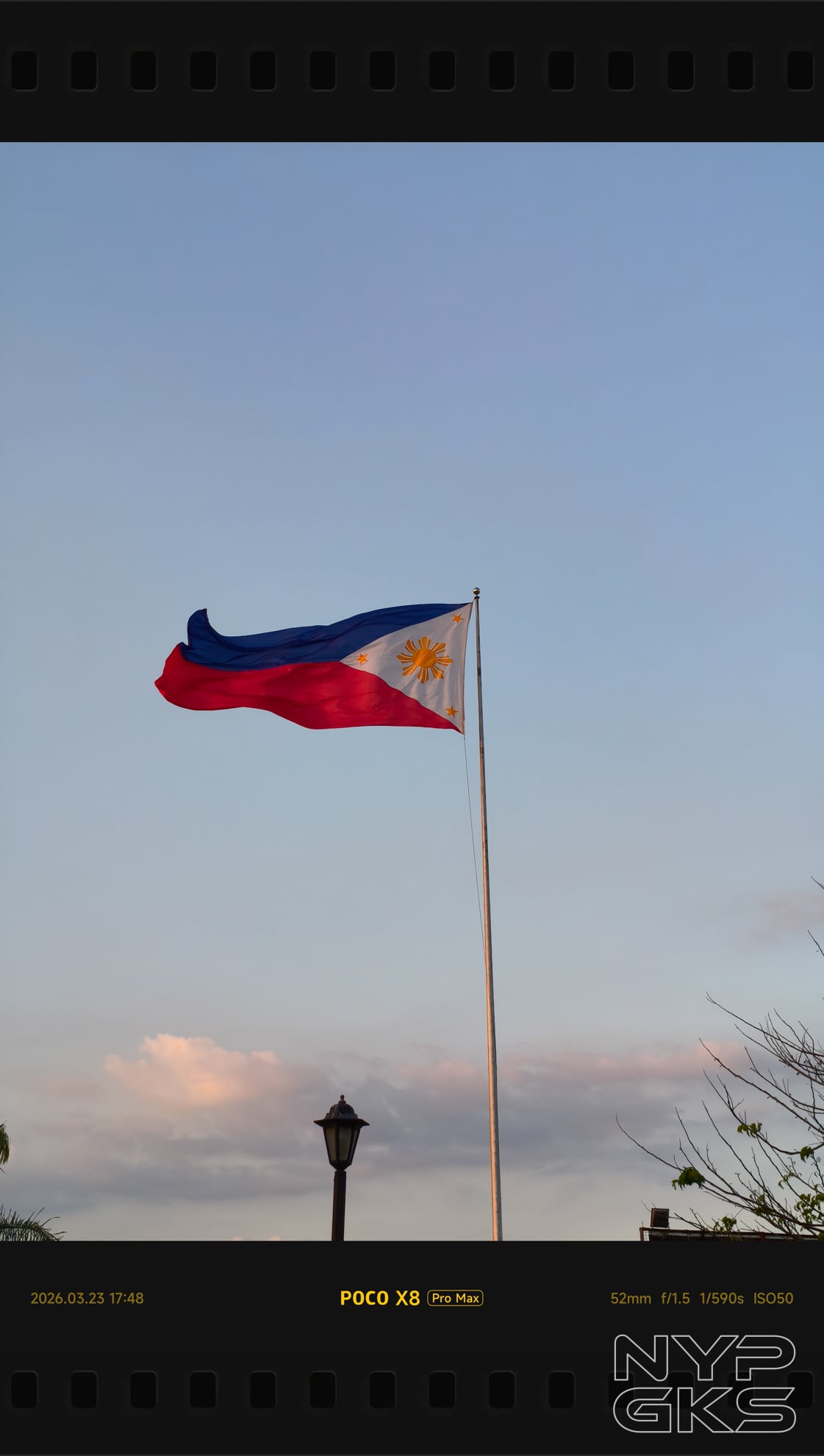
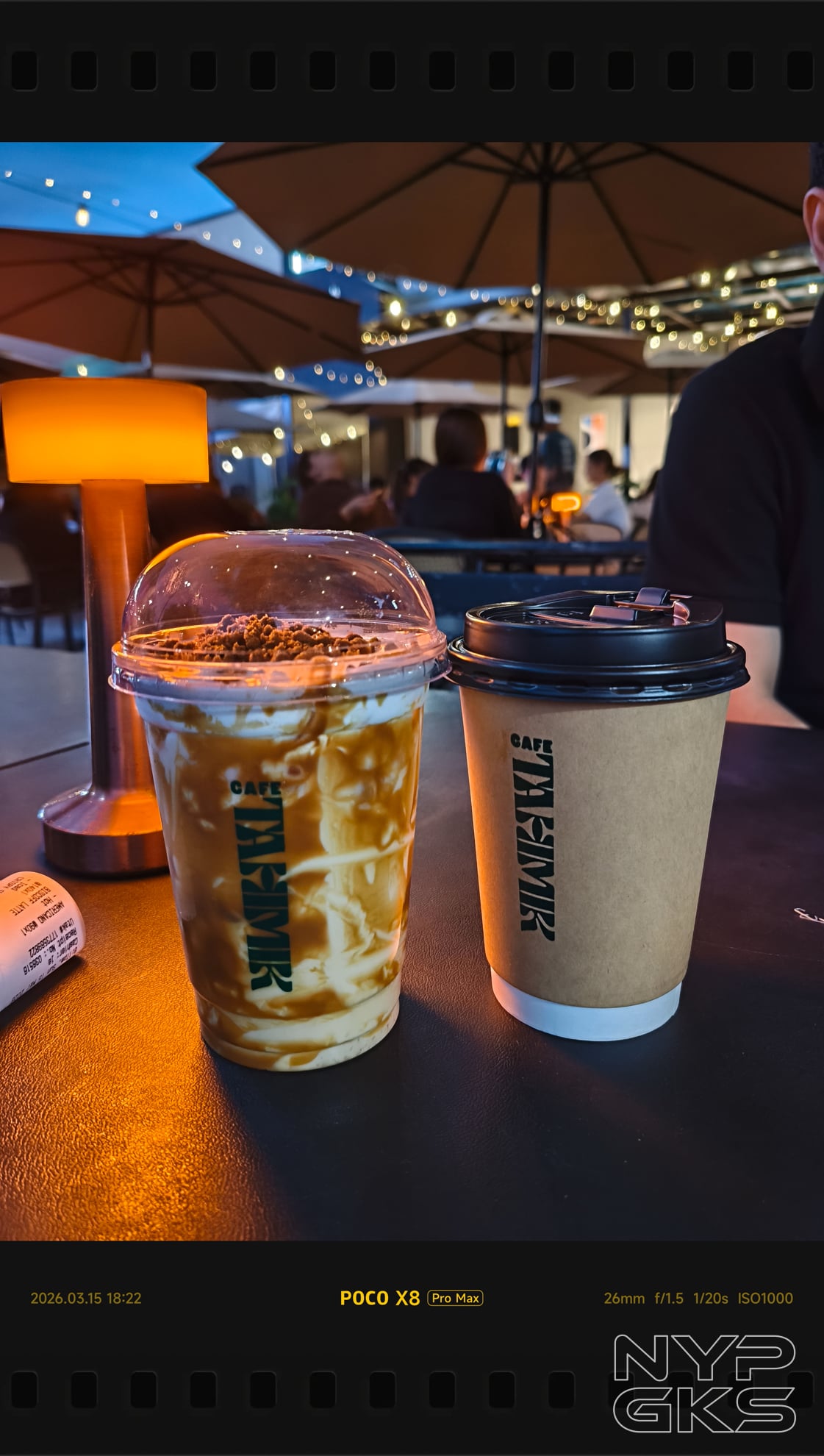
Even the low-light shots look good. Oddly enough, details look sharper at night. Colors held up pretty well and the dynamic range is still well regulated.


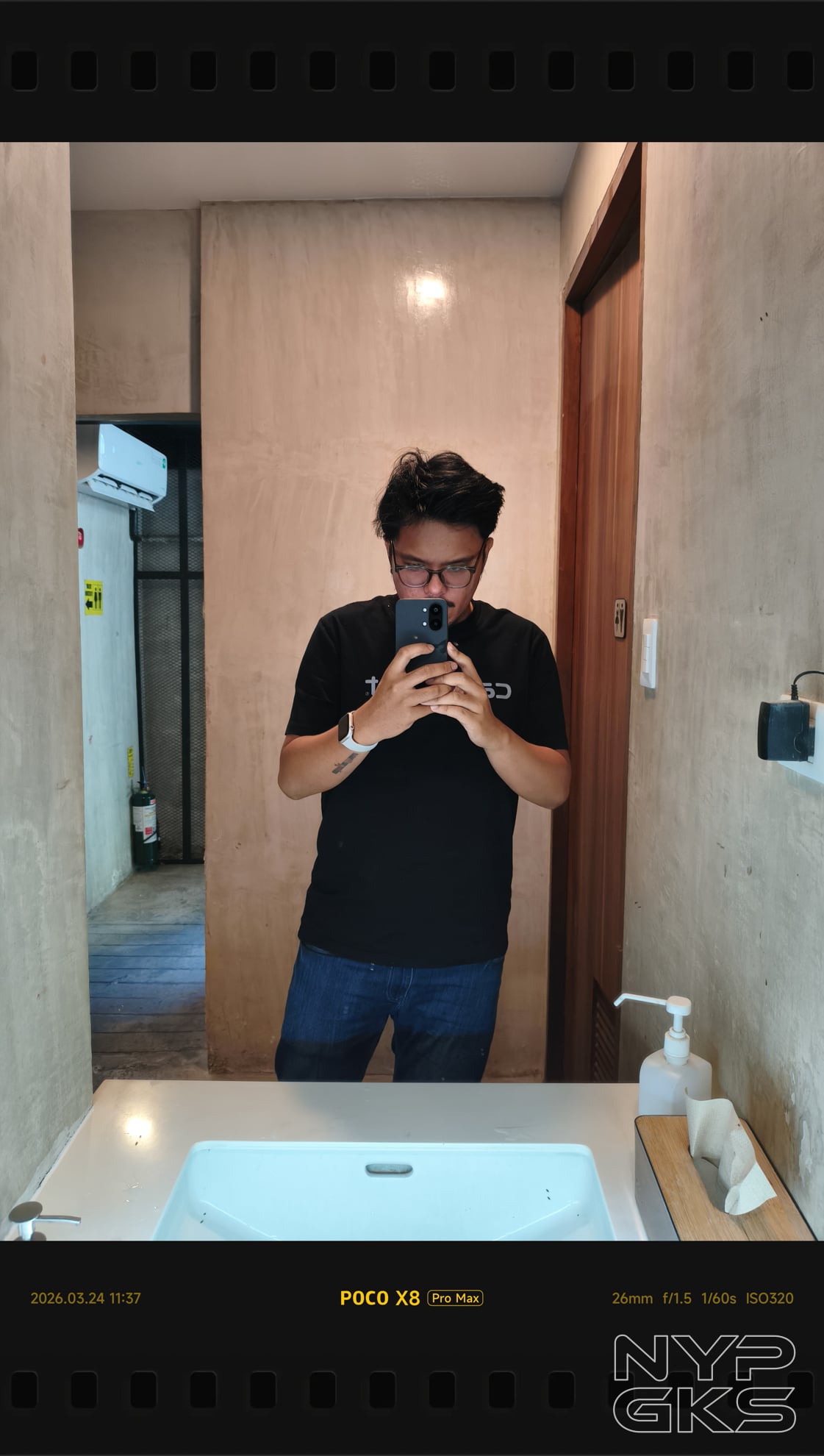
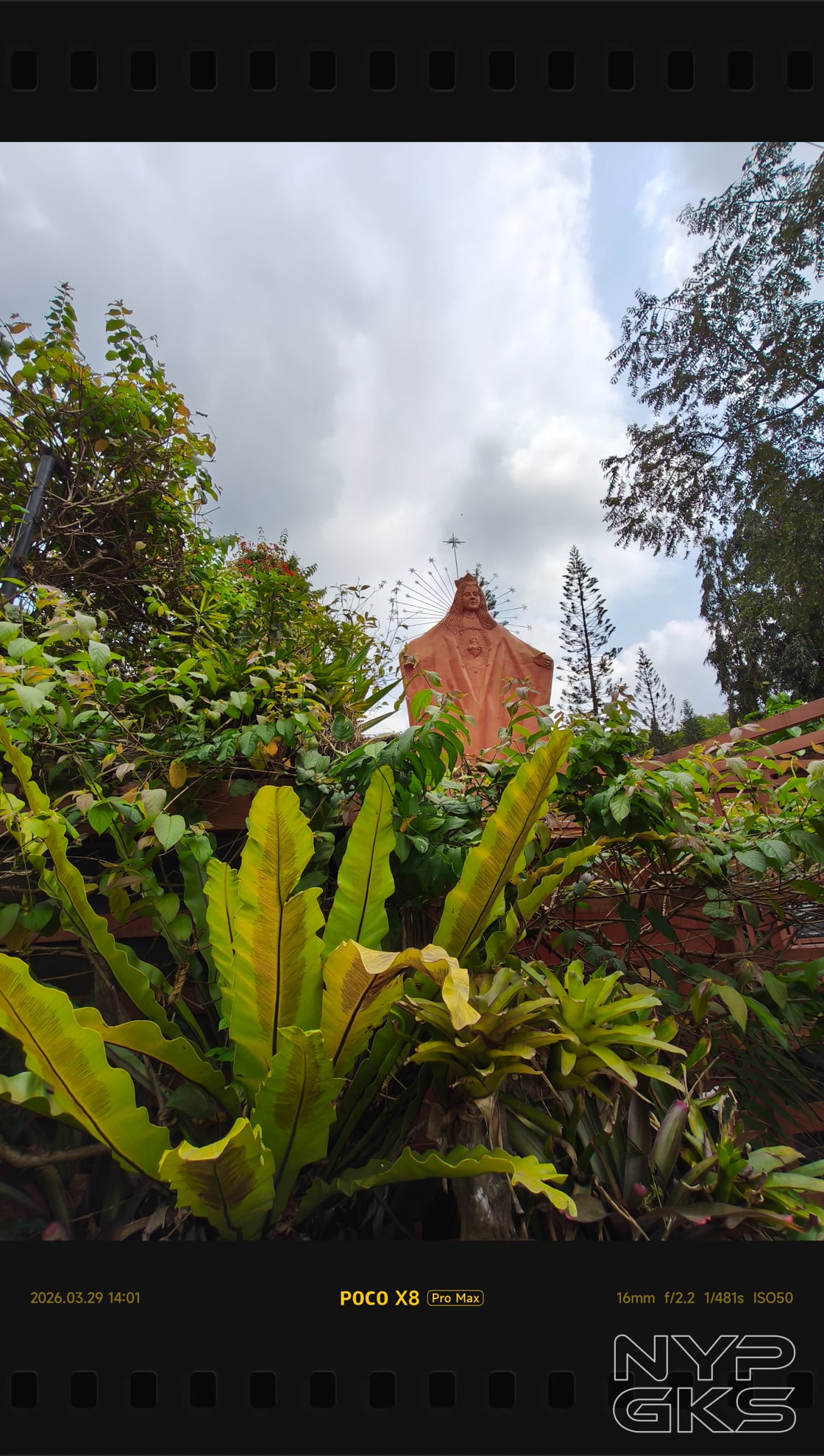
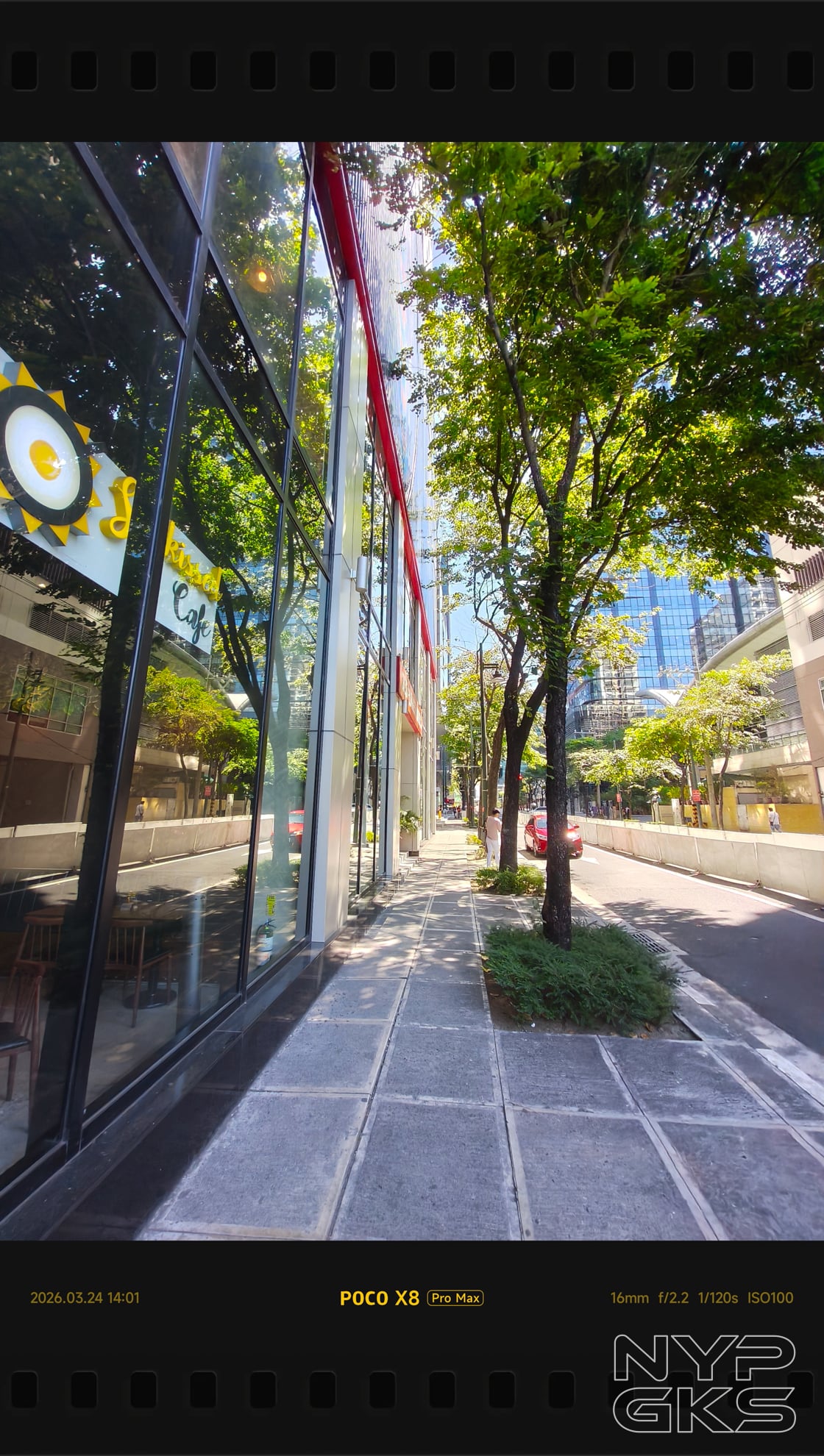
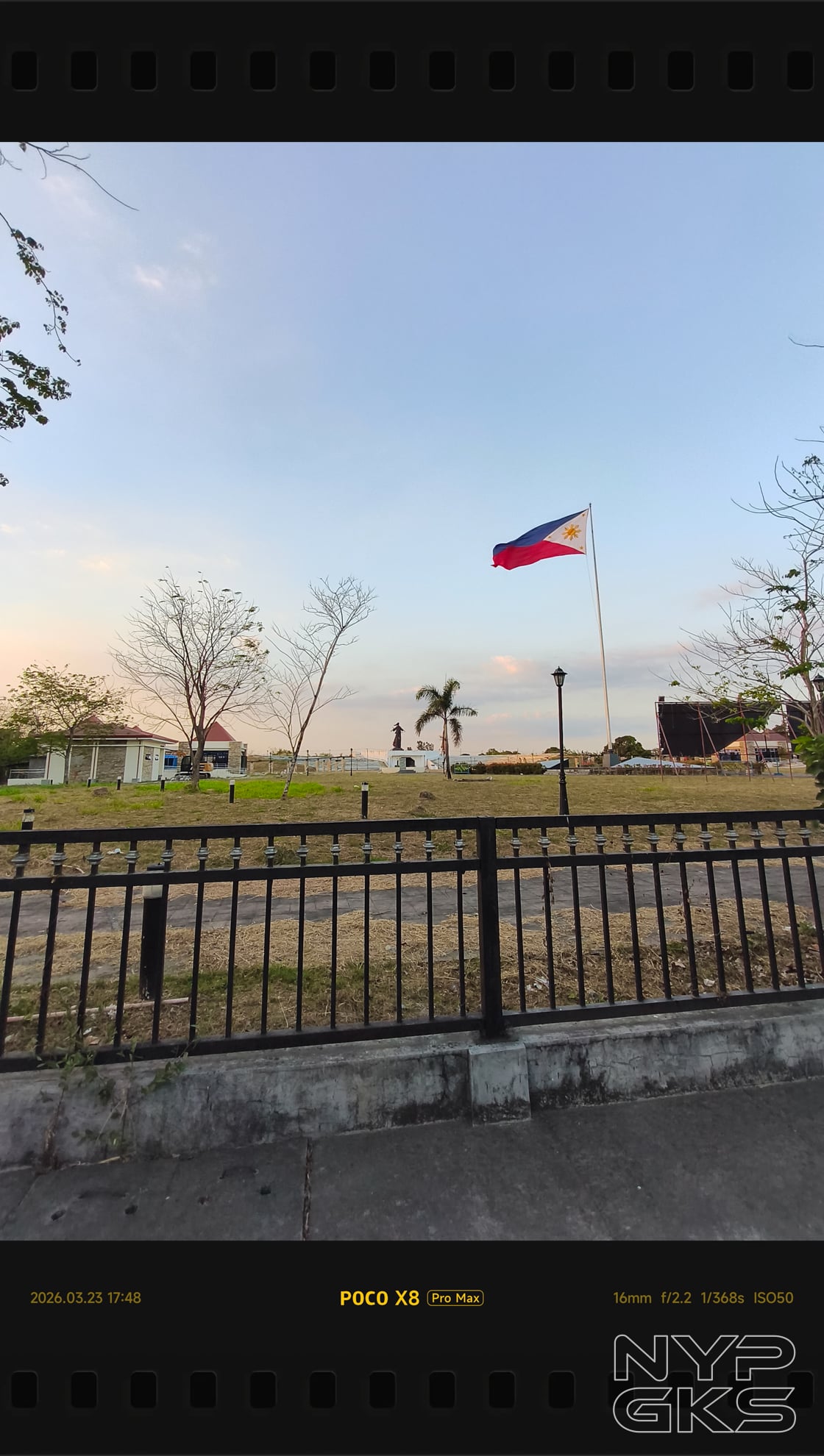
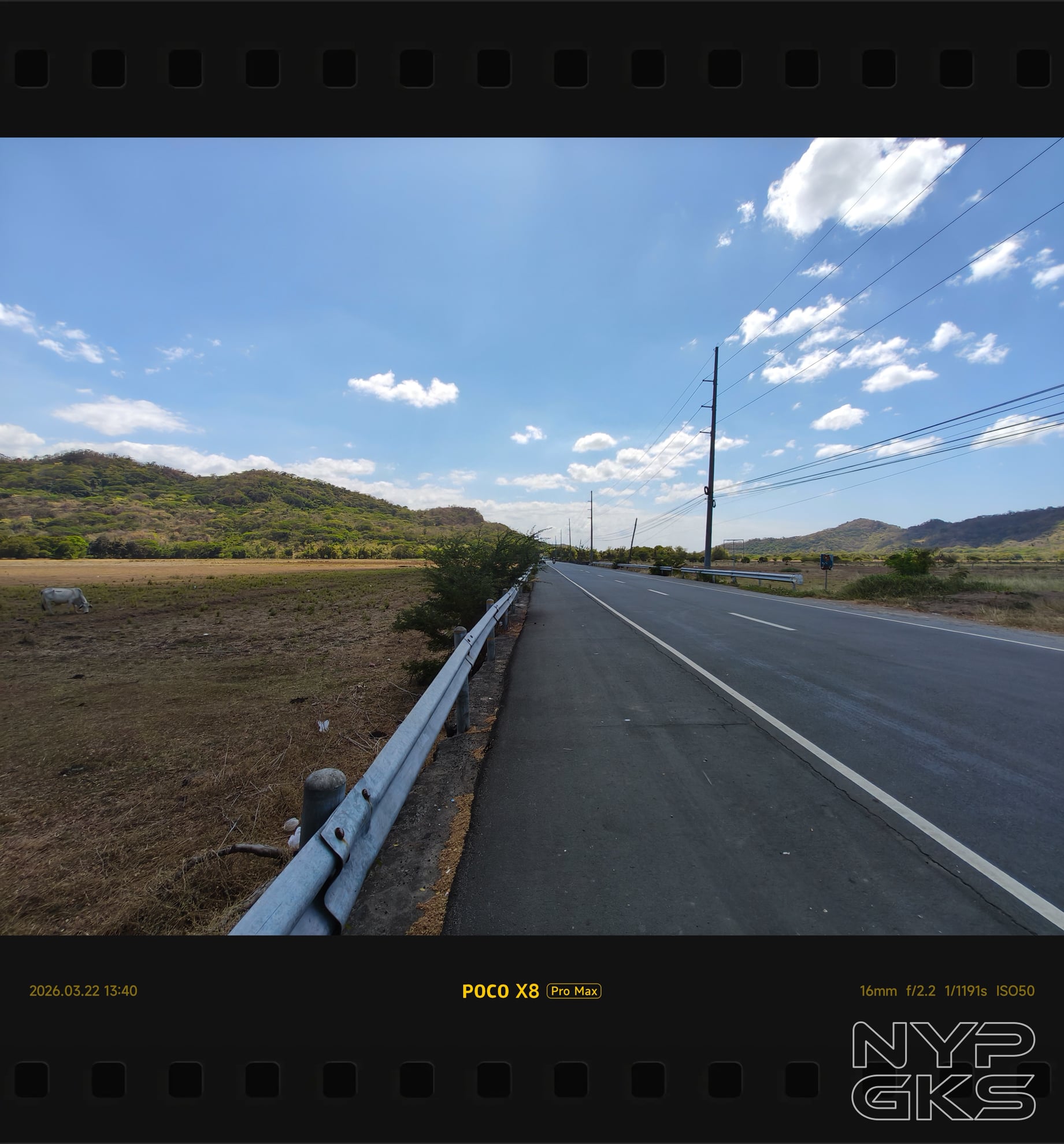
The 8-megapixel ultra-wide camera is surprisingly good. Details are sharp, despite the low megapixel sensor, and the colors are fine. The dynamic range struggles at times, but still usable. Sadly, it lacks autofocus.



Finally, we get to the 20-megapixel front-facing camera. This one took nice selfies with tons of details, realistic skin tones, and acceptable dynamic range. It barely struggles in low-light, too.




Despite the absence of a dedicated telephoto lens and an ultra-wide camera that lacks autofocus and relies on a lower-resolution sensor, the POCO X8 Pro Max still delivers a good photography experience. This is an impressive feat for a performance-focused midrange smartphone which previously lacked in the camera department.
Battery and Charging
A big feature of the POCO X8 Pro Max is its 8,500mAh battery, made possible by silicon-carbon technology. You can take full advantage of that with its 27W reverse wired charging, allowing you to share power with other devices and accessories.
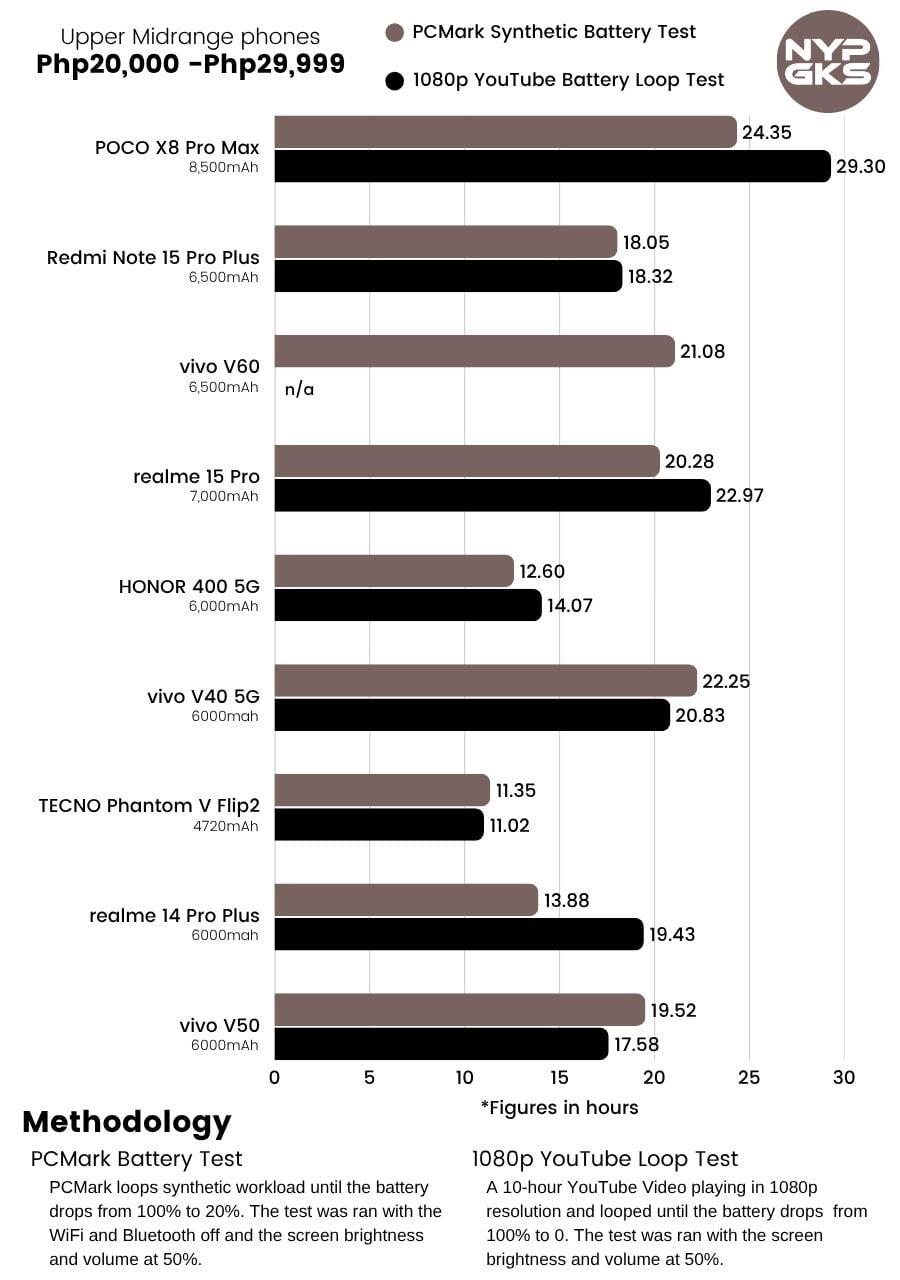
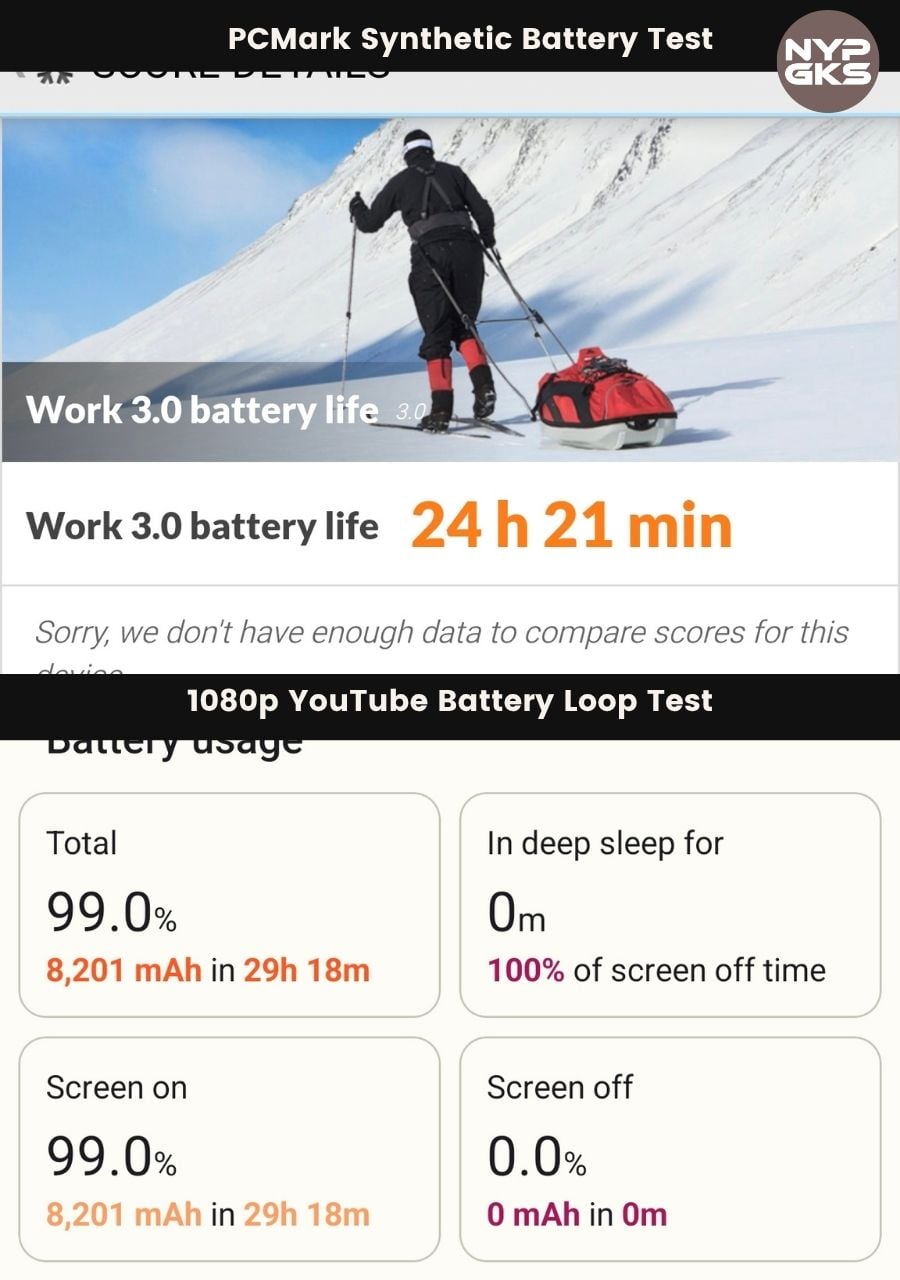
Battery life, as expected, is very solid. It has the highest battery score in our tests for its category, lasting 24 hours and 21 minutes in PCMark’s synthetic battery test and 29 hours and 18 minutes in our 1080p YouTube Battery Loop Test.
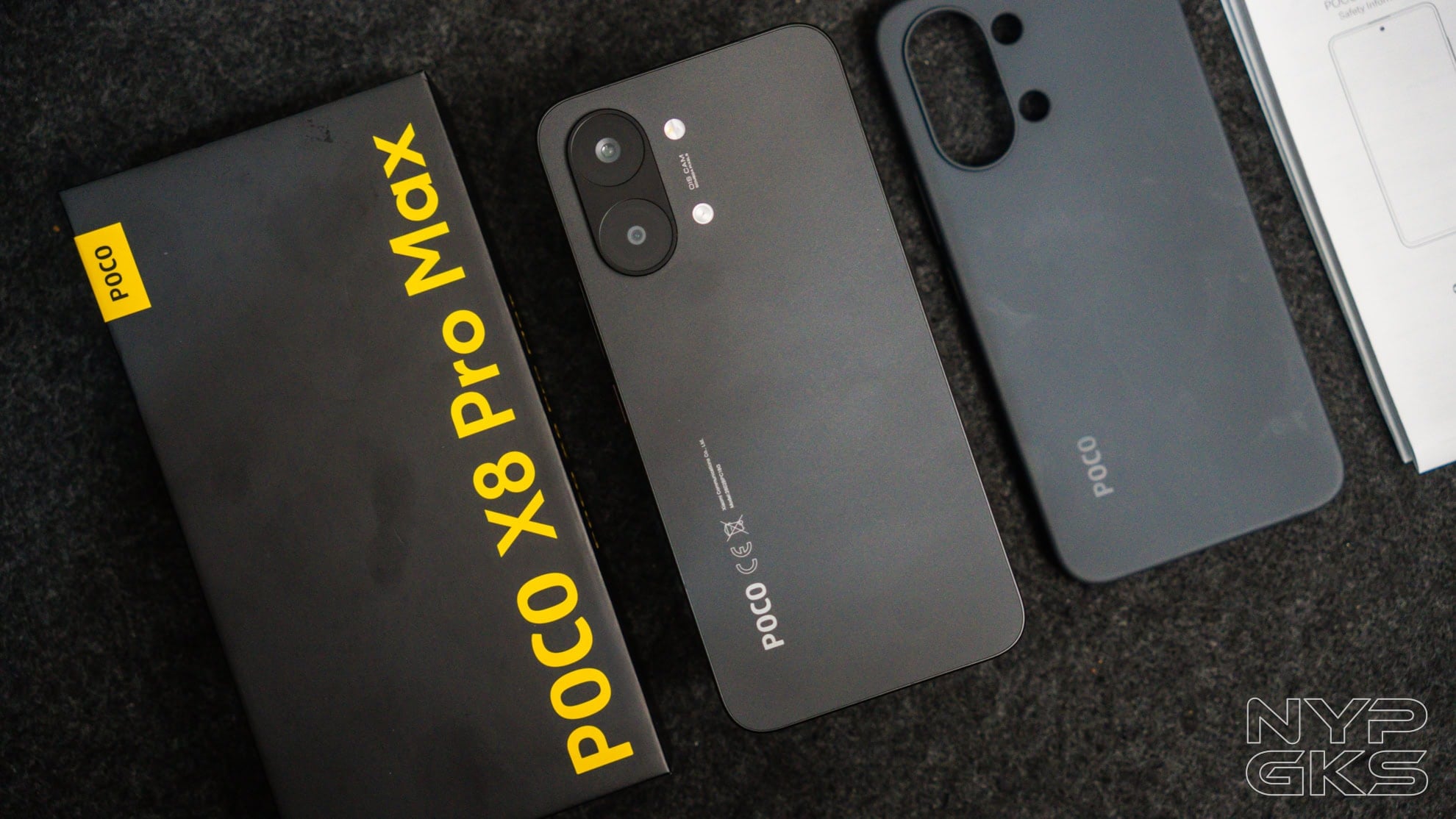
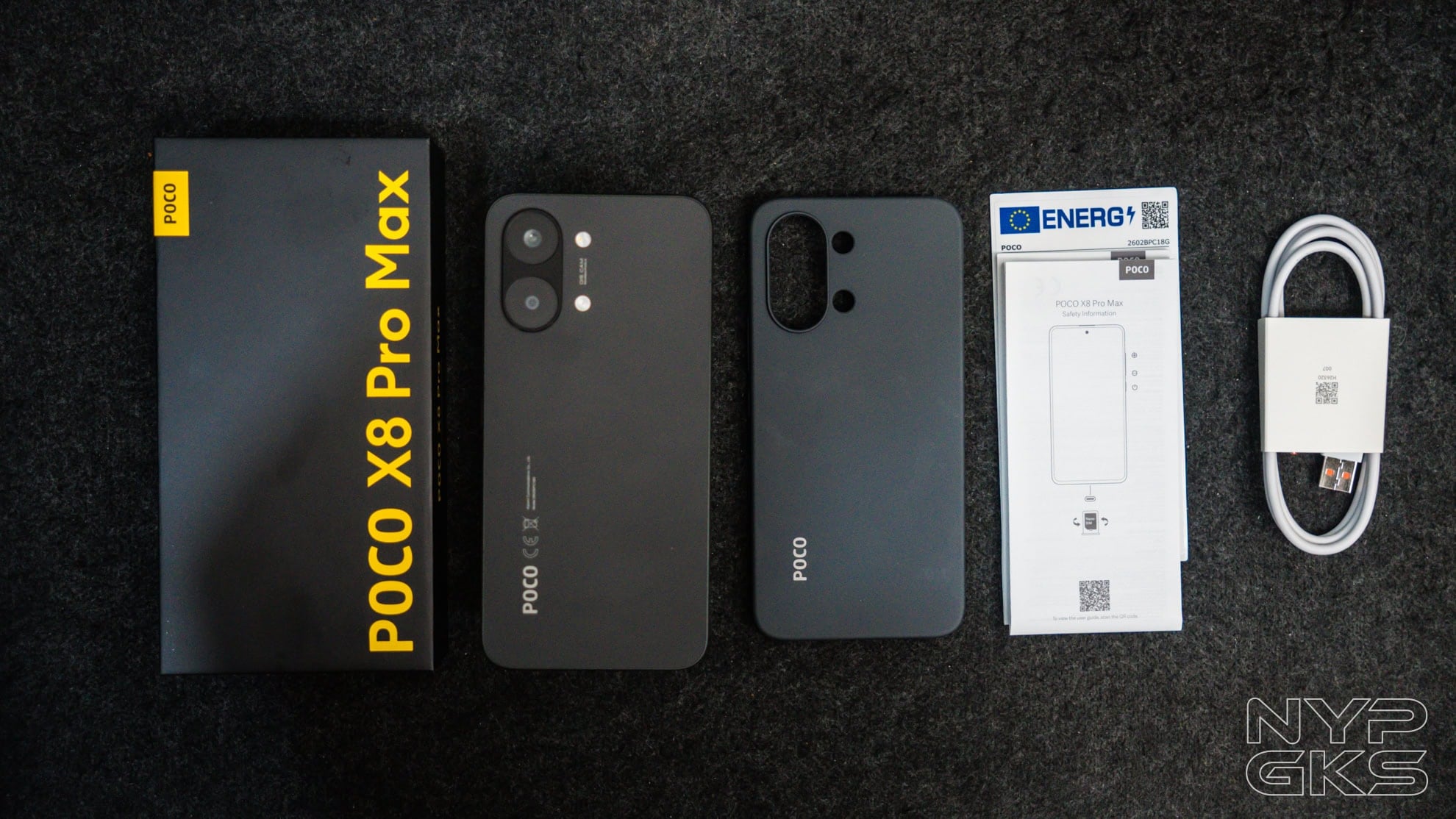
That huge battery has been appropriately paired with Xiaomi’s 100W HyperCharge technology. Ours is an EU unit, so we only got a free cable, but the official local retail unit includes a charger.
We did use a 120W charger that works, and we got a full charge in just 1 hour and 7 minutes. That’s quite fast considering its capacity. See the full test results below:
- 15mins: 0-19%
- 30mins: 40%
- 45mins: 69%
- 1hr: 90%
- 1hr 7mins: FULL
Verdict
The first POCO smartphone was a true disruptor when it launched around eight years ago, redefining expectations by bringing flagship-level features to a midrange price point.
In recent years, the Xiaomi sub-brand seemed to lose some of that momentum, but the X8 series is bringing it back to its roots.
It offers a range of features rarely seen in its segment, including a powerful MediaTek processor, a feature-rich display, and of course, an exceptionally large battery.
Complemented by capable speakers, reliable cameras, and long-term software support, the result is a fast, dependable smartphone built to last.
While it isn’t without its compromises, there’s no denying that the POCO X8 Pro Max stands out as one of the best-value smartphones available today.
POCO X8 Pro Max pricing and availability in the Philippines
The POCO X8 Pro Max has an SRP of Php25,999 and Php27,999 for the 12GB/256GB and 12GB/512GB models, respectively. You can purchase one at the POCO Official Store Global on Shopee.
Pros
- Solid build quality
- Large, sharp, bright display
- Loud and punchy stereo speakers
- Flagship-grade performance
- Good cameras
- Incredible battery life
- Fast wired and reverse wired charging
Cons
- Boring design
- Image post-processing needs polish
- No dedicated telephoto lens
- No autofocus in ultrawide