
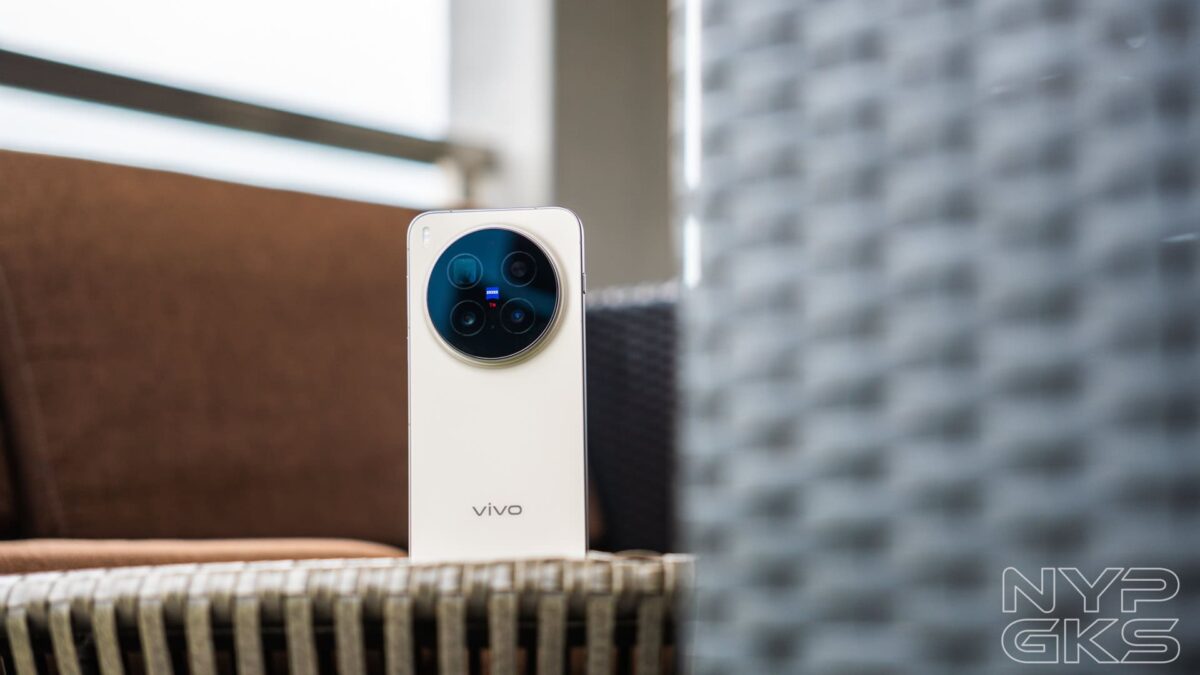

As it floods markets with budget phones, vivo reminds consumers that it also creates high-end phones that push the envelope in the mobile industry. Their latest flagship phone, the vivo X300 Pro, does just that.
It has all the best features that vivo currently offers. There’s an upgraded design, cool photography features, a bigger battery, and newer software. Without a doubt, the X300 Pro is made to offer the best experience you can have from a vivo smartphone.
But how does it fare with other flagship phones in the market? Is it worth the heavy asking price? In our full review, we’ll be putting the vivo X300 Pro under the microscope to find answers.
vivo X300 Pro Specs
- Android 16, OriginOS 6 (5 OS upgrades, 7 years security patches)
- Dual SIM, Dual Standby
- 6.78-inch 2.8K LTPO AMOLED display, 2800 x 1260 pixel resolution, ~452ppi
- 120Hz refresh rate, 2160Hz PWM dimming
- HDR10+, HDR Vivid, Dolby Vision
- 4500-nit peak brightness
- 4.21GHz MediaTek Dimensity 9500 octa-core processor
- ARM G1 Ultra
- 16GB RAM
- 512GB UFS 4.1 internal storage, non-expandable
- 50-megapixel front camera, AF
- 50-megapixel (LYT-828, f/1.6, PDAF, OIS) + 200-megapixel (HPB, 3.7x periscope telephoto, PDAF, OIS) + 50-megapixel (ultra-wide) rear cameras, LED flash
- IP68/69 dust and water resistant
- Stereo speakers, Hi-Res audio
- HSPA+, 4G LTE, 5G
- WiFi 7, dual-band
- Bluetooth 5.4
- dual-band GPS, GLONASS, GALILEO, QZSS, NavIC, BDS
- NFC
- IR blaster
- USB-C
- Dimensions: 161.2 x 75.5 x 8mm
- Weight: 226g
- Colors: Brown, White, Blue, Black
- 6,510mAh non-removable battery, 90W wired, 40W wireless, reverse wired and wireless charging
Design and Build Quality
It appears that the series’ design has peaked with the X200 Pro, and vivo had no choice but to make small, insignificant changes just to pass as a refresh. We can’t really blame them, as it looks really good.

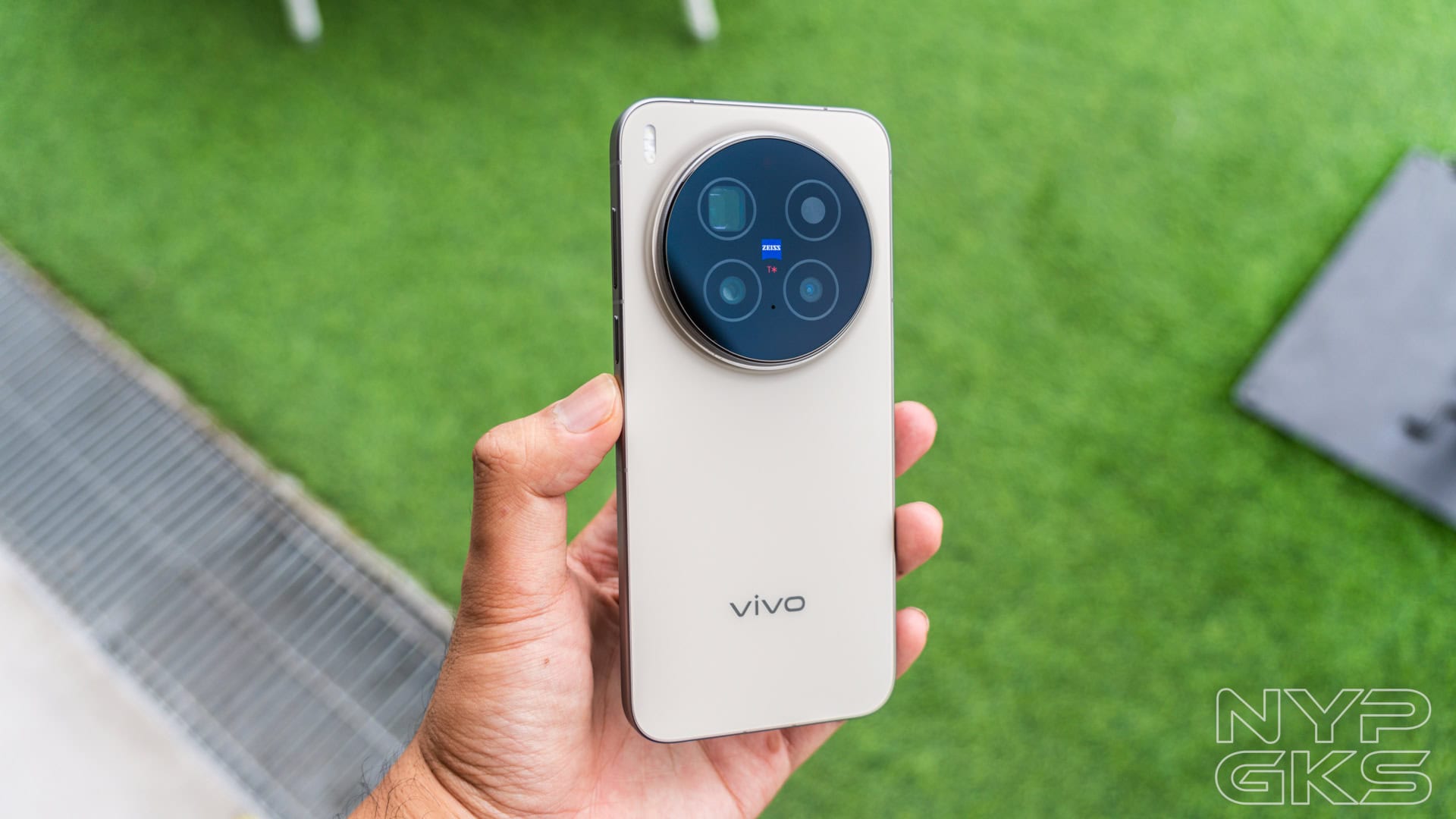
The rear panel is still dominated by the circular camera island, but cleaner now that the thick metallic bezel is gone. They also just relocated the pill-shaped LED flash from the right to the left.
The camera island is still very thick and made the device top-heavy. As a silver lining, it can rest on your fingers for a more secure hold, which is important considering its slippery frosted glass rear panel.
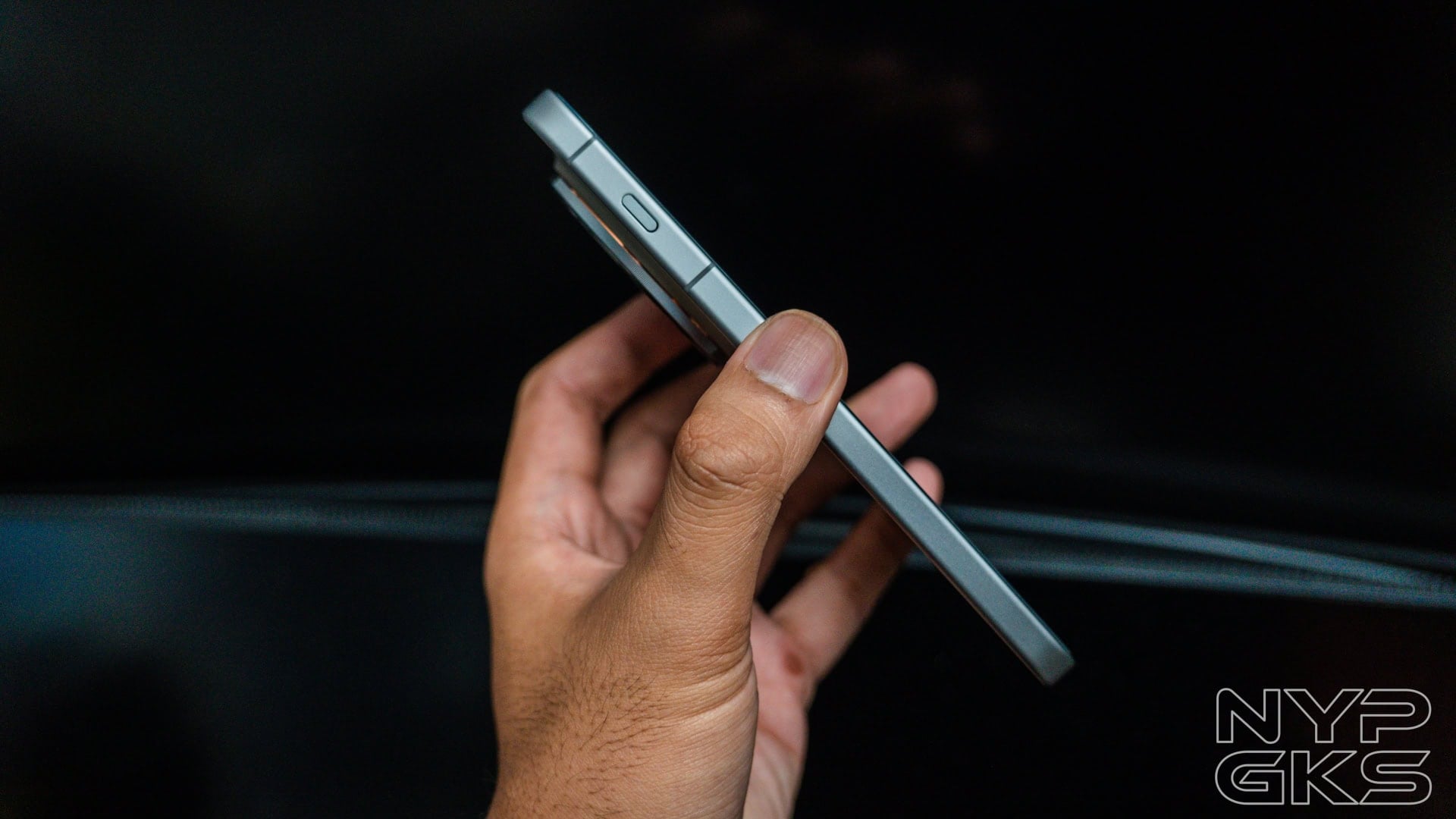
Having a thicker camera section allowed the rest of the device to be thinner. In fact, it’s now 0.2mm thinner than its predecessor at just 8mm.
In line with the trend, we now have flat edges that give a more secure grip, while the curvy corners provide comfort. It is now the lightest at 226g, but it definitely feels robust and gives a reassuring feeling that it’s packing some serious hardware inside.
vivo didn’t specify the glass they used for the rear panel, but it sure looks very elegant, especially in this Dune Brown color option. Depending on the market, it’s also available in Mist Blue, Phantom Black, and Cloud White.
Durability is also top-notch. It has an aluminum frame that holds everything together very well and feels insanely robust. Of course, it is IP68/69 dust and water resistant and should survive accidental water splashes, being dropped in a pool, rain, etc.
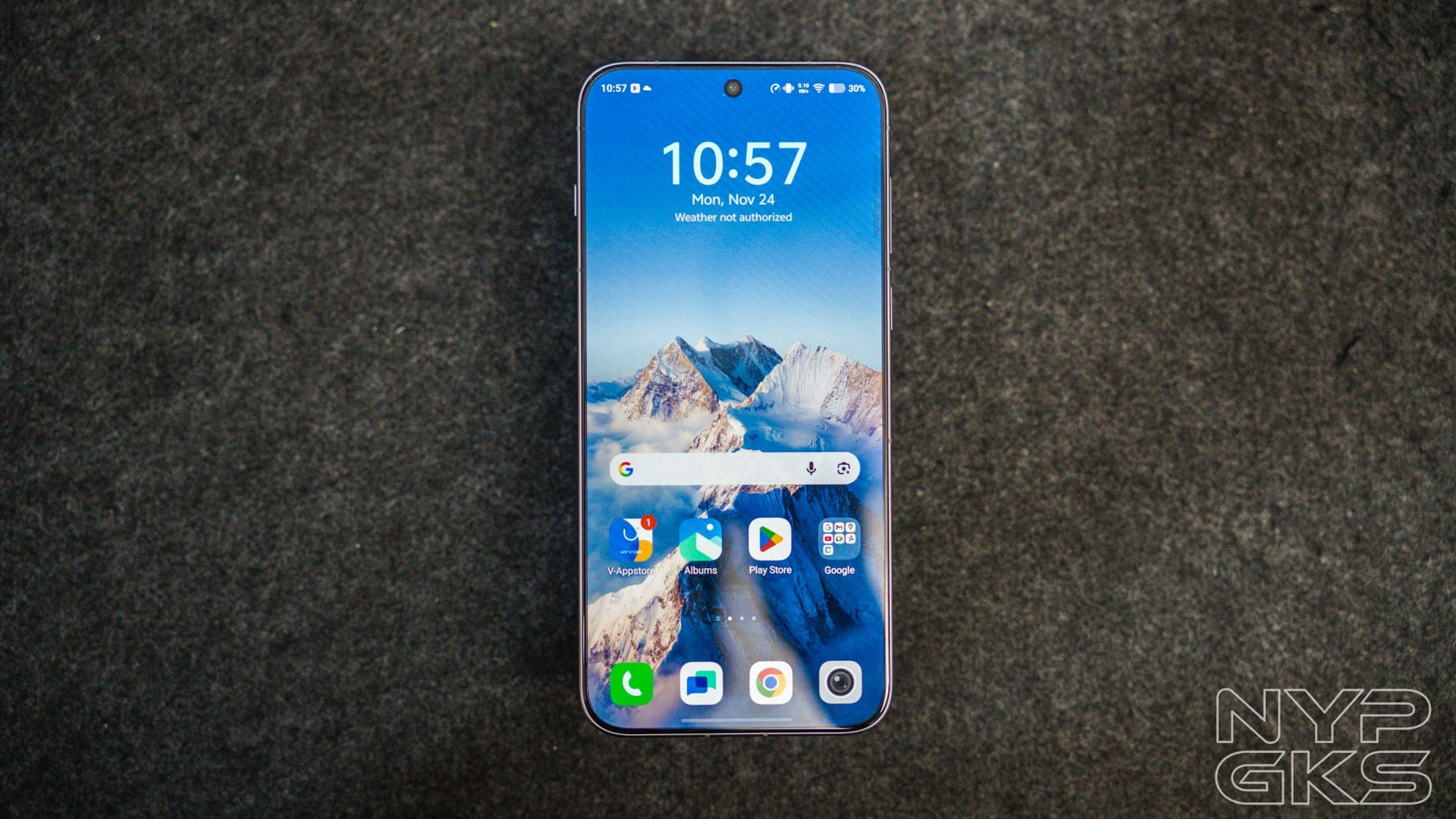
Taking a tour, we have a 6.78-inch AMOLED screen on the front with eye-watering 91.6% screen-to-body ratio thanks to ultra-thin bezels that’s just 1.1mm thick, and a small punch-hole for the 50-megapixel selfie camera.
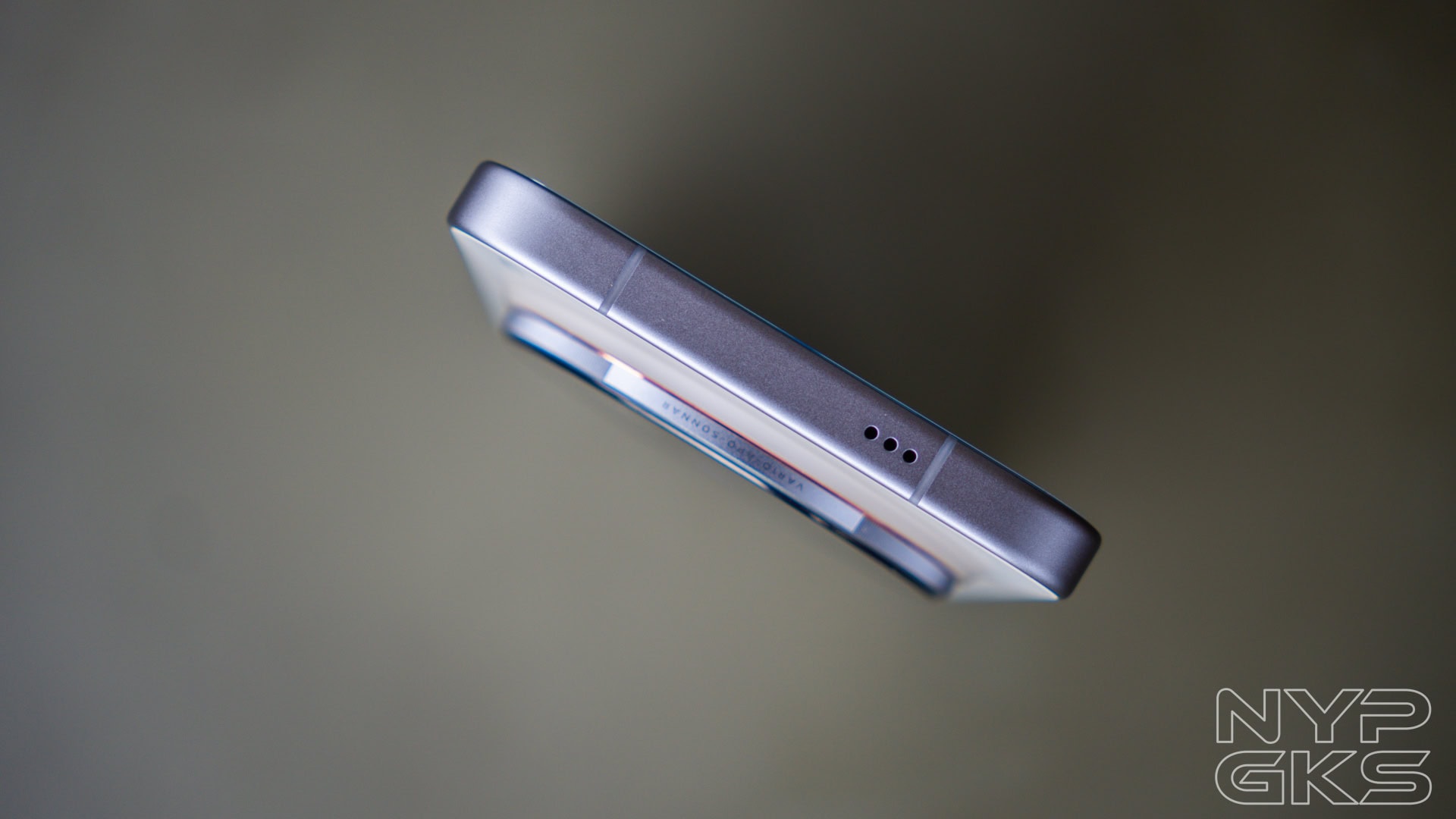
The top is clean and only has the stereo speaker.
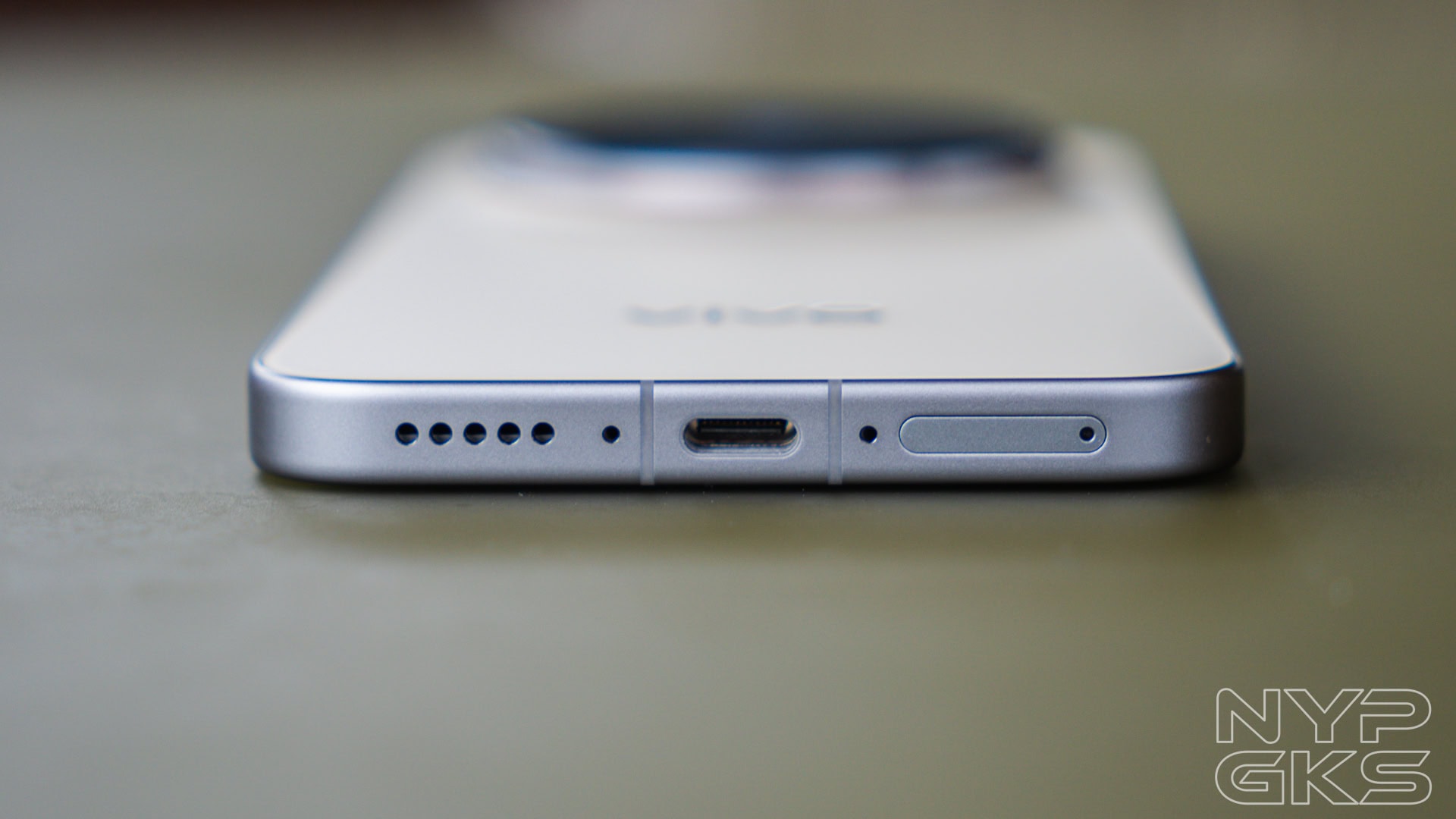
At the bottom, we only have the primary loudspeaker, USB-C port, two microphones, and a SIM tray for two nano SIMs. As expected, there’s no microSD card slot for storage expansion.
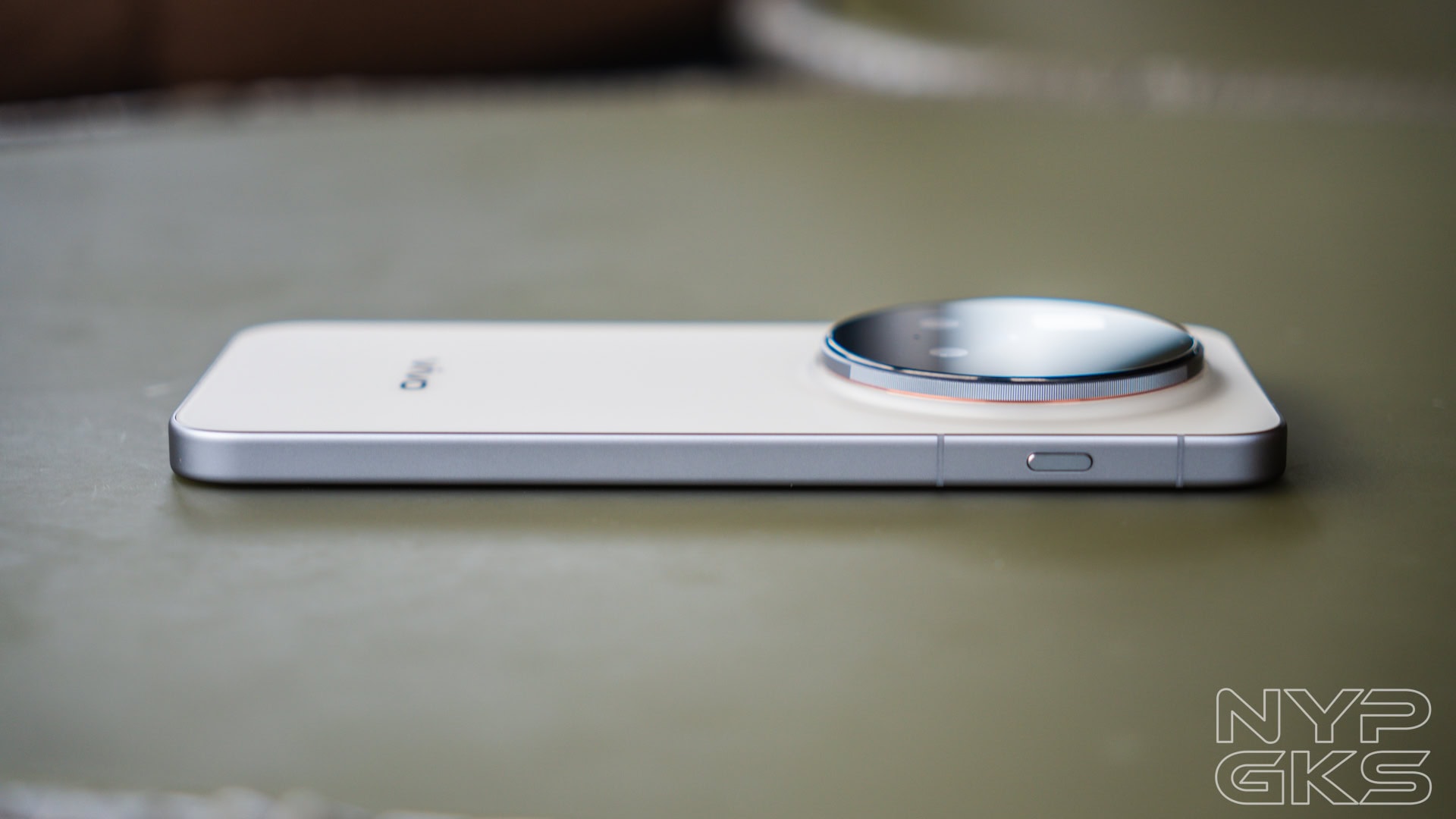
On the top left side, we have an iPhone-esque Shortcut button.
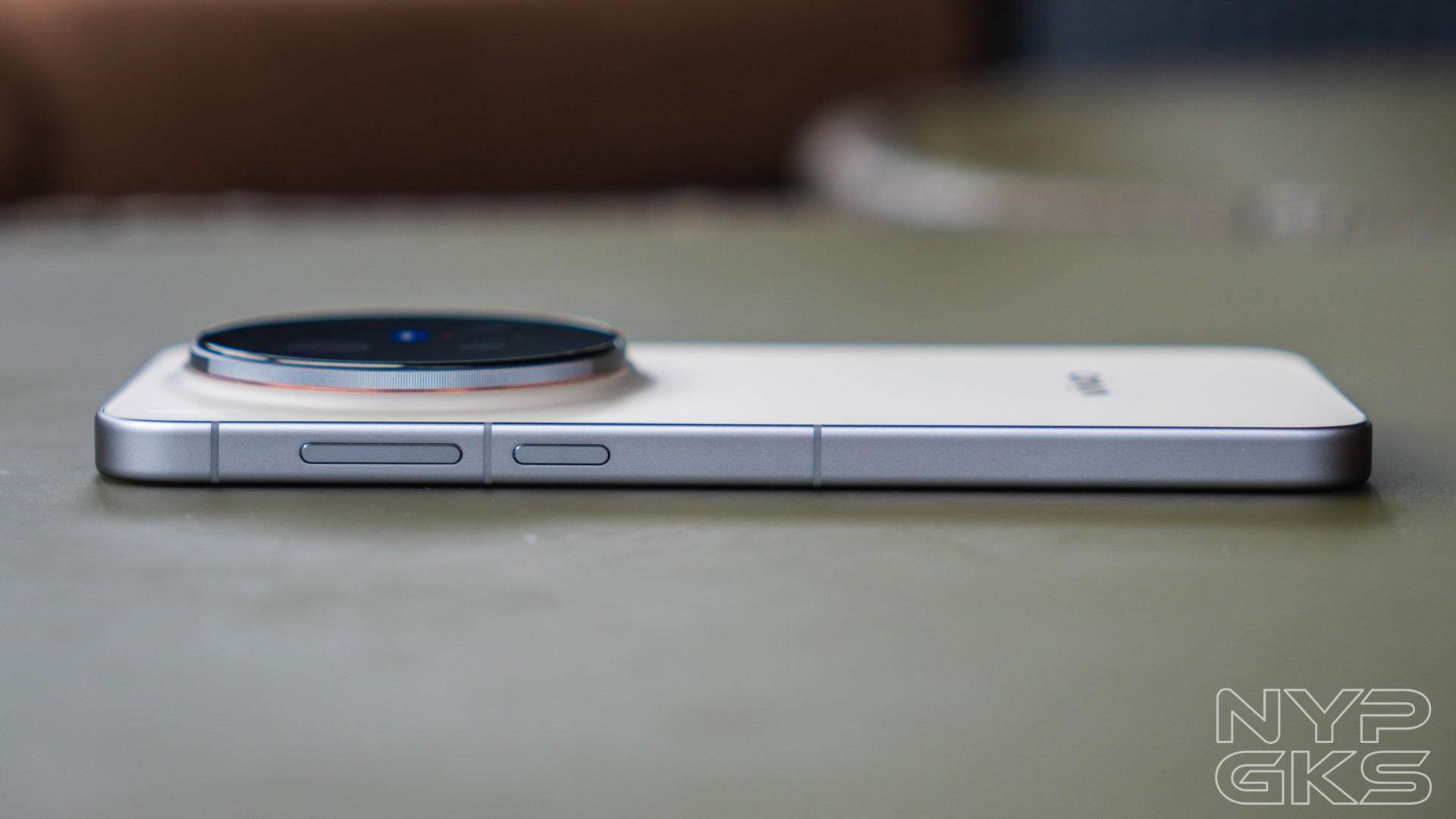
The right has the volume controls and the lock/power button. All the buttons are flat and very clicky. There are also two antenna bands on each of the four sides of the device.

Now, let’s see what’s inside that camera island. The one on top is the 200-megapixel telephoto camera, next to it is the 50-megapixel ultra-wide lens, and below is the 50-megapixel main shooter.
The ZEISS logo is in the middle. The IR blaster is hidden on the top, so if you’re trying to control your TV or other non-smart appliances, make sure you’re pointing from there.
Display and Audio
The vivo X300 Pro has a 6.78-inch LTPO AMOLED display with a 2800 x 1280 pixel resolution, ~452ppi, 120Hz refresh rate, has 2160Hz PWM dimming, a high 4,500 nits of peak brightness, and more importantly, support for Dolby Vision, HDR10+, and Widevine L1 for FHD streaming.

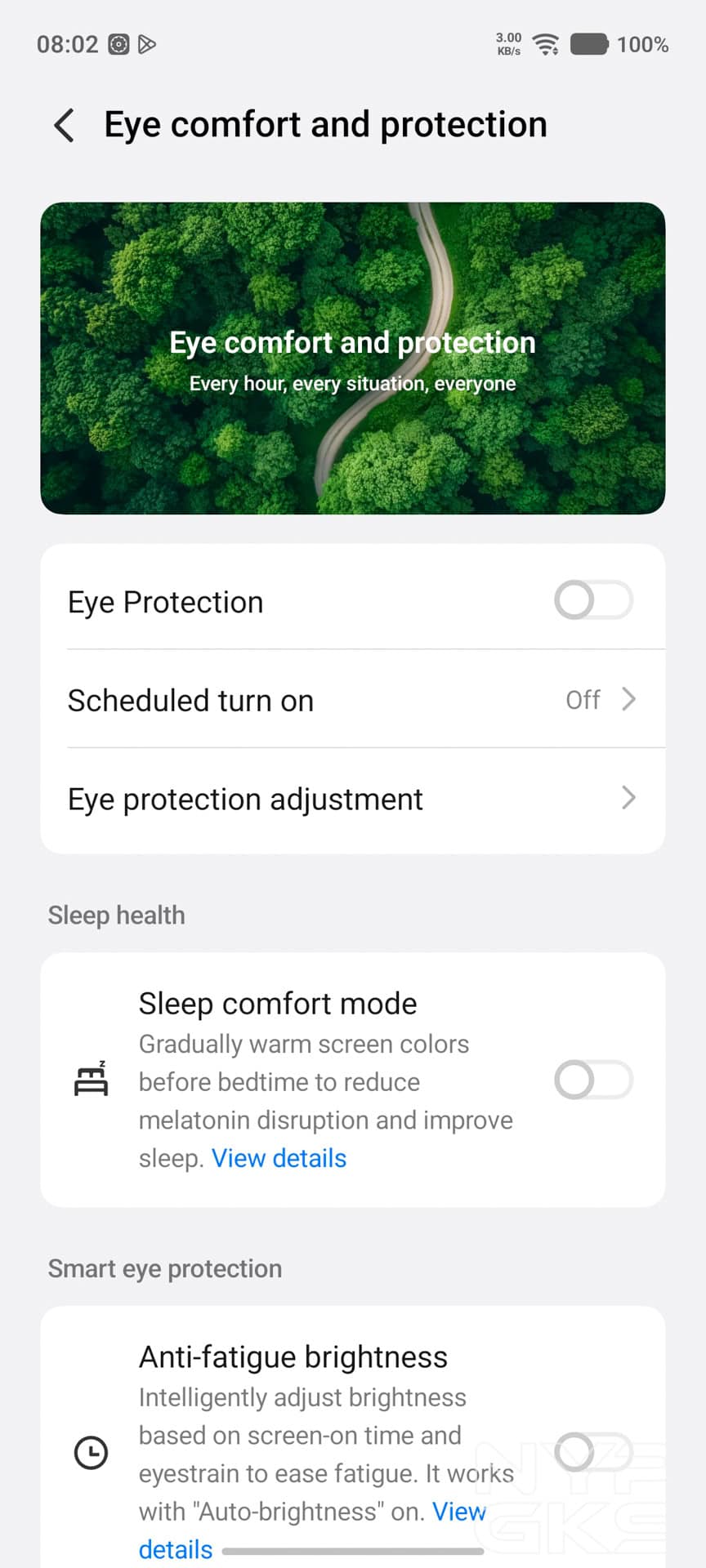
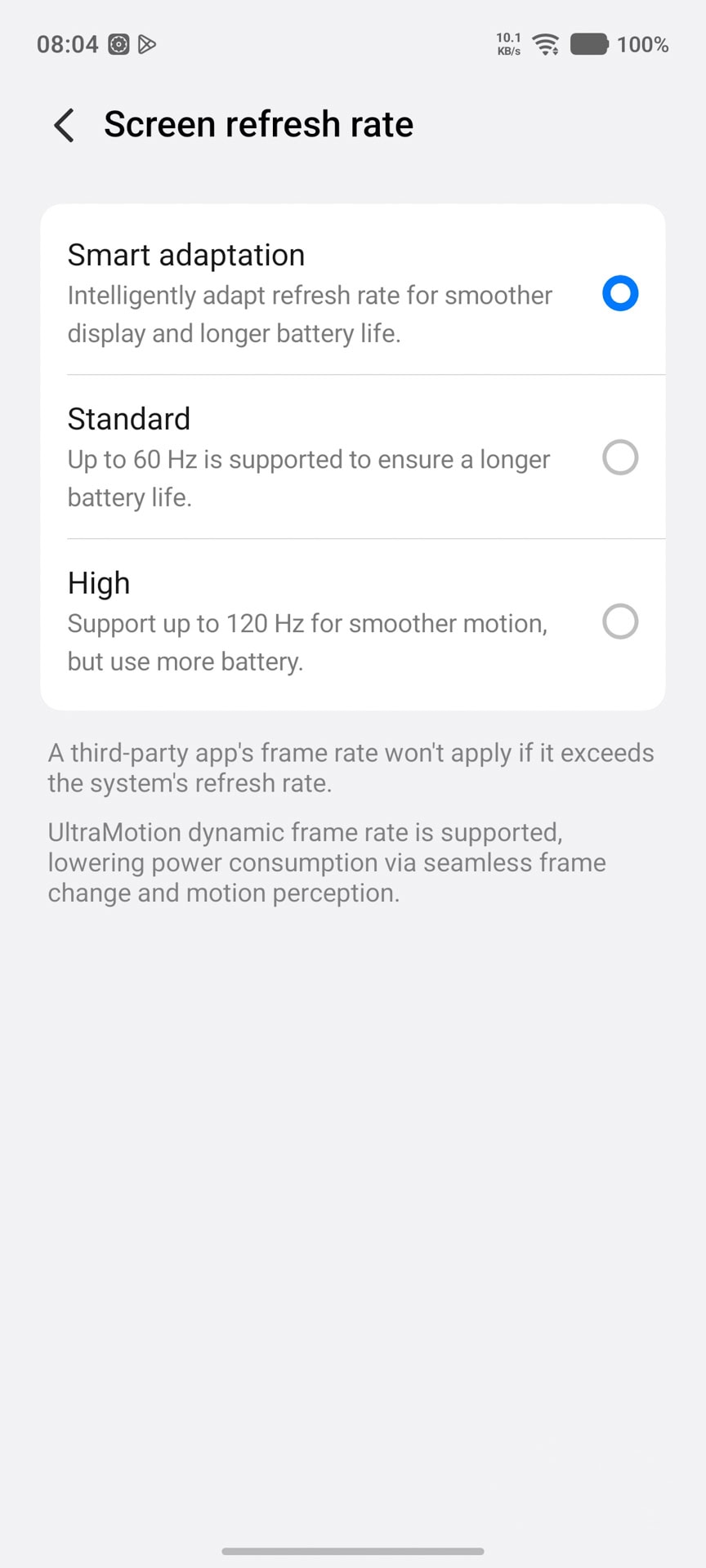

We also have extensive Eye Comfort and Protection features that include Sleep Comfort Mode, Anti-Fatigue Brightness, Adaptive Color, and Full PWM. The screen resolution is also adjustable to UHD (Default) and HD, and the refresh rate.
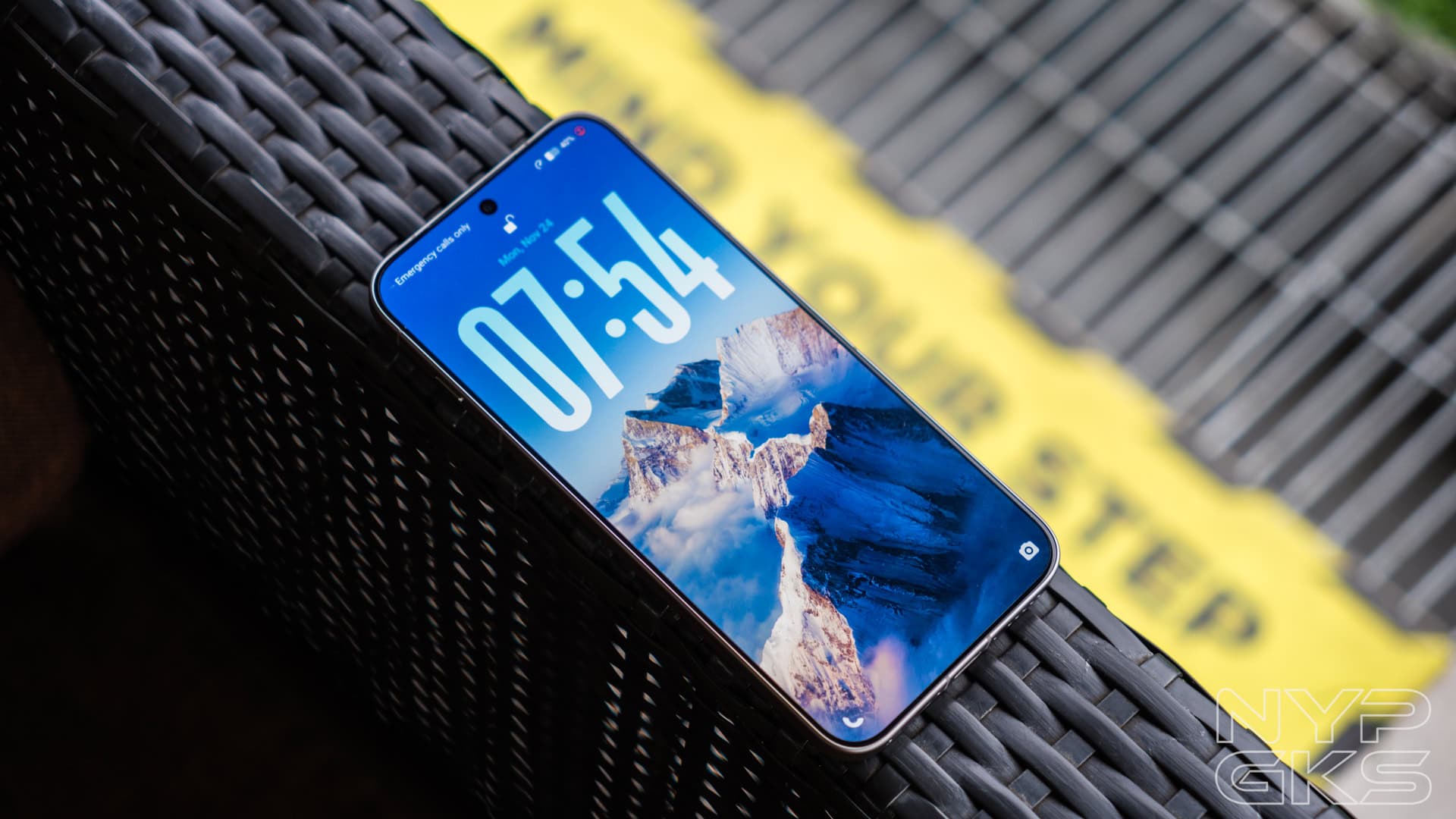
Display performance is just too good. Colors, contrast, and details are incredible; the adaptive refresh rate is responsive; and the screen gets really bright — sometimes brighter than what you need, which is a good thing.

For audio, there are the stereo speakers and Hi-Res audio. Sadly, it seems to lack Dolby Atmos support. But it does have cool extra features like Audio Super Resolution and Sound Customization based on your ears.
Sound quality from the loudspeakers is quite good as well. We got ample volume, audible stereo separation and bass, but the treble sounds a little muddy.
Hardware and Performance
vivo went with MediaTek for their latest flagship, and they used their most powerful one. The vivo X300 Pro features a MediaTek Dimensity 9500 chipset, which features a C1 Ultra core, three C1 Premium cores, and four C1-Pro cores. They are aided with an ARM G1-Ultra GPU, 9th-gen NPU 990, 16GB of LPDDR4X RAM, and 512GB of UFS 4.1 storage.
vivo X300 Pro Benchmark Scores
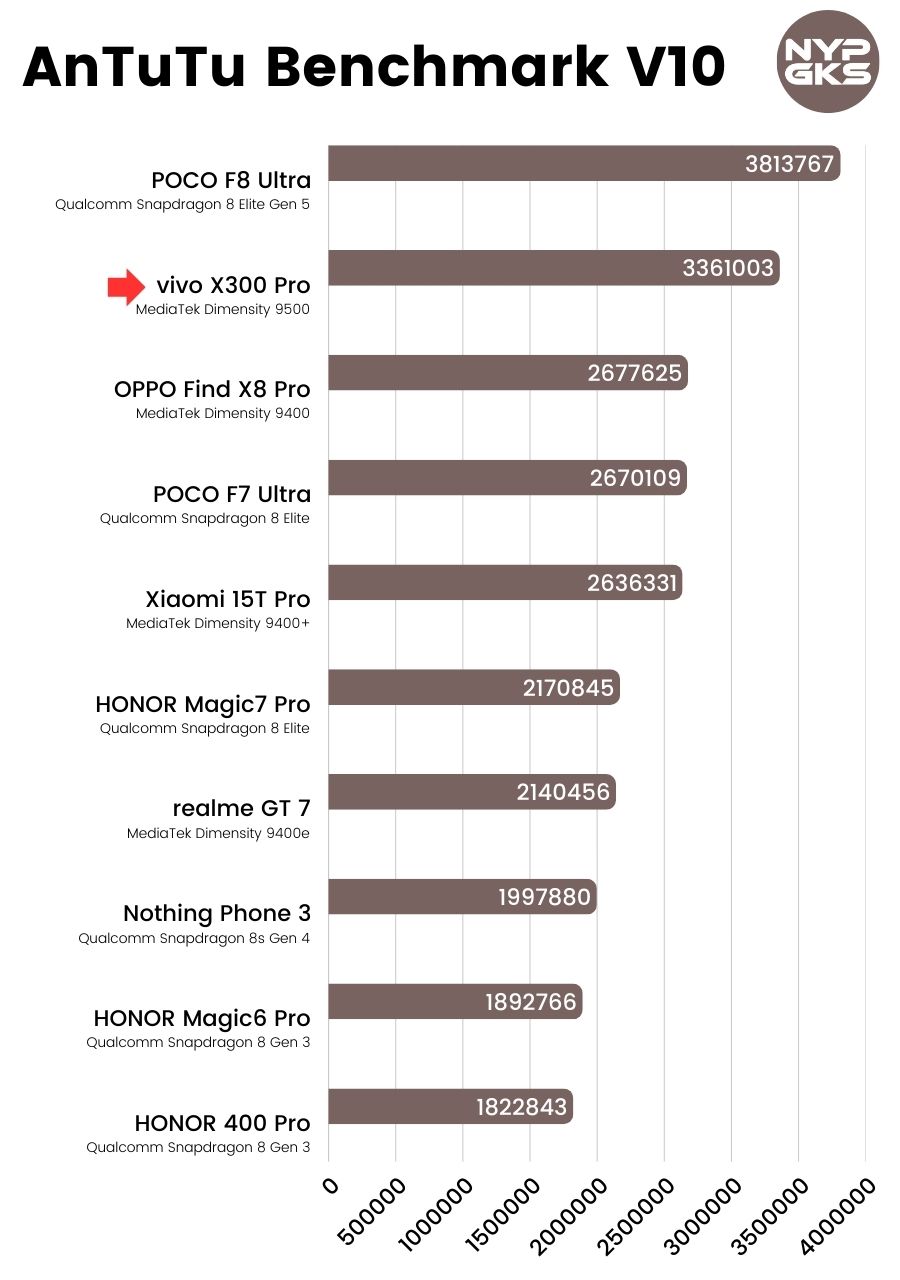


Benchmarks show that, while the MediaTek chip is powerful, it’s still behind than what Qualcomm offers. Also, it appears to suffer from throttling issues in some endurance tests.
Still, we got solid performance all around in our real-world tests. It provides a snappy experience for creating content, doing any kind of work, school activities, conferencing, and more.
The gaming experience, as expected, is also superb. Genshin Impact, a very demanding game, ran smoothly under the Highest preset at 60fps.
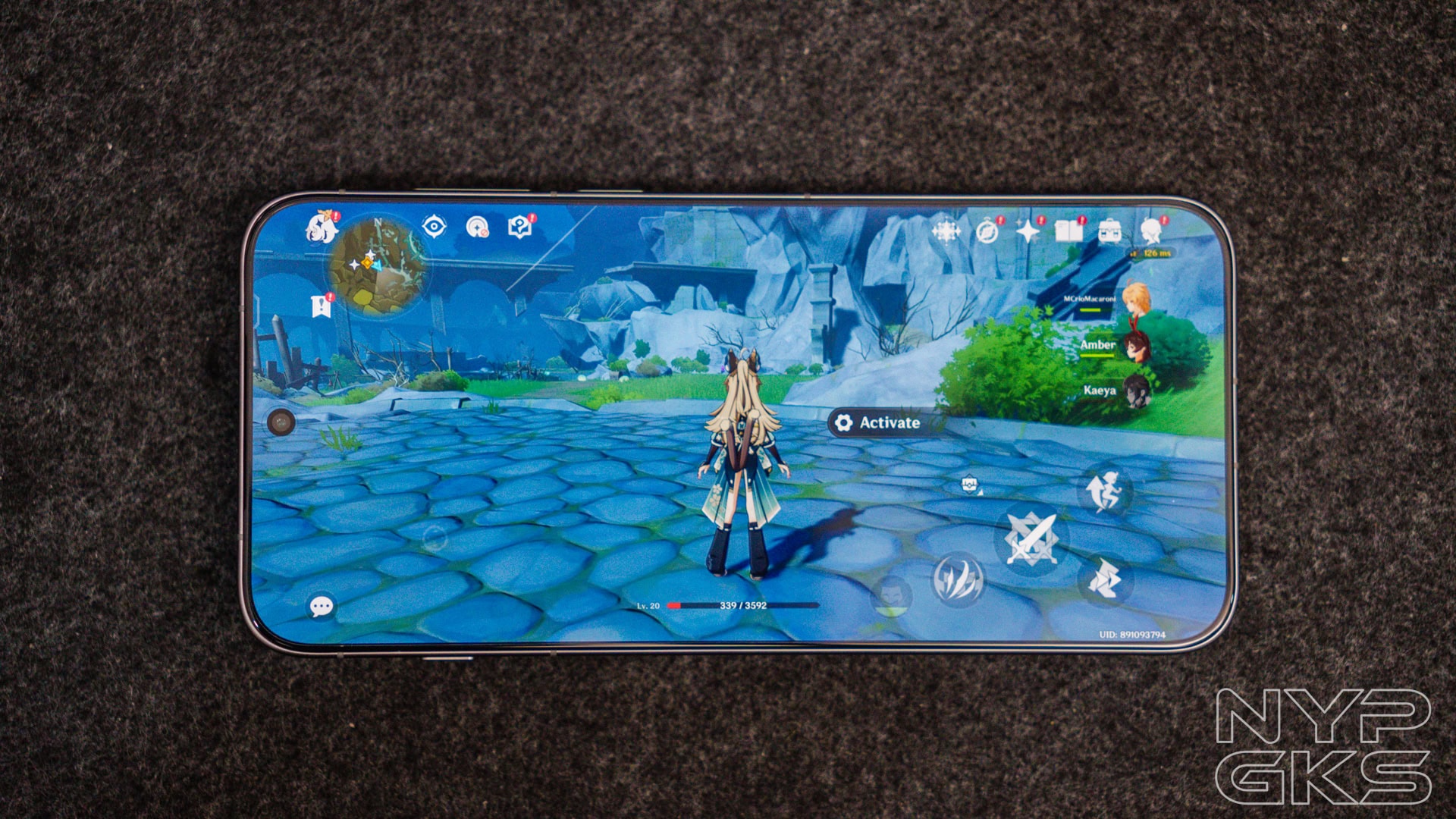
Competitive games ran very well, too. We got PUBG Mobile playable smoothly under Ultra HDR graphics at Ultra frames, Call of Duty Mobile at Max graphics and frame rates, and Farlight84 at Peak graphics and 60 frames.
Mobile Legends: Bang Bang and Asphalt Legends Unite are seamless under their highest available settings.
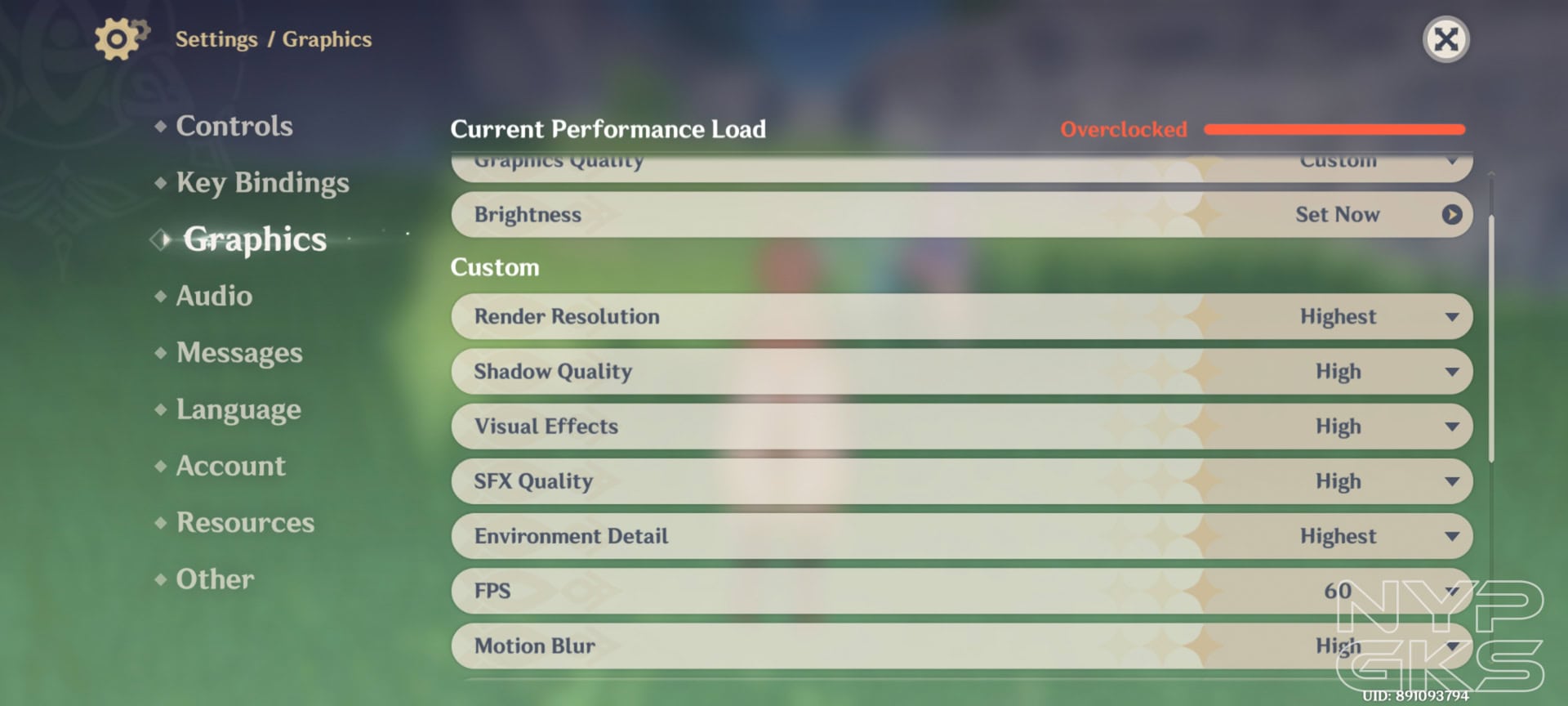
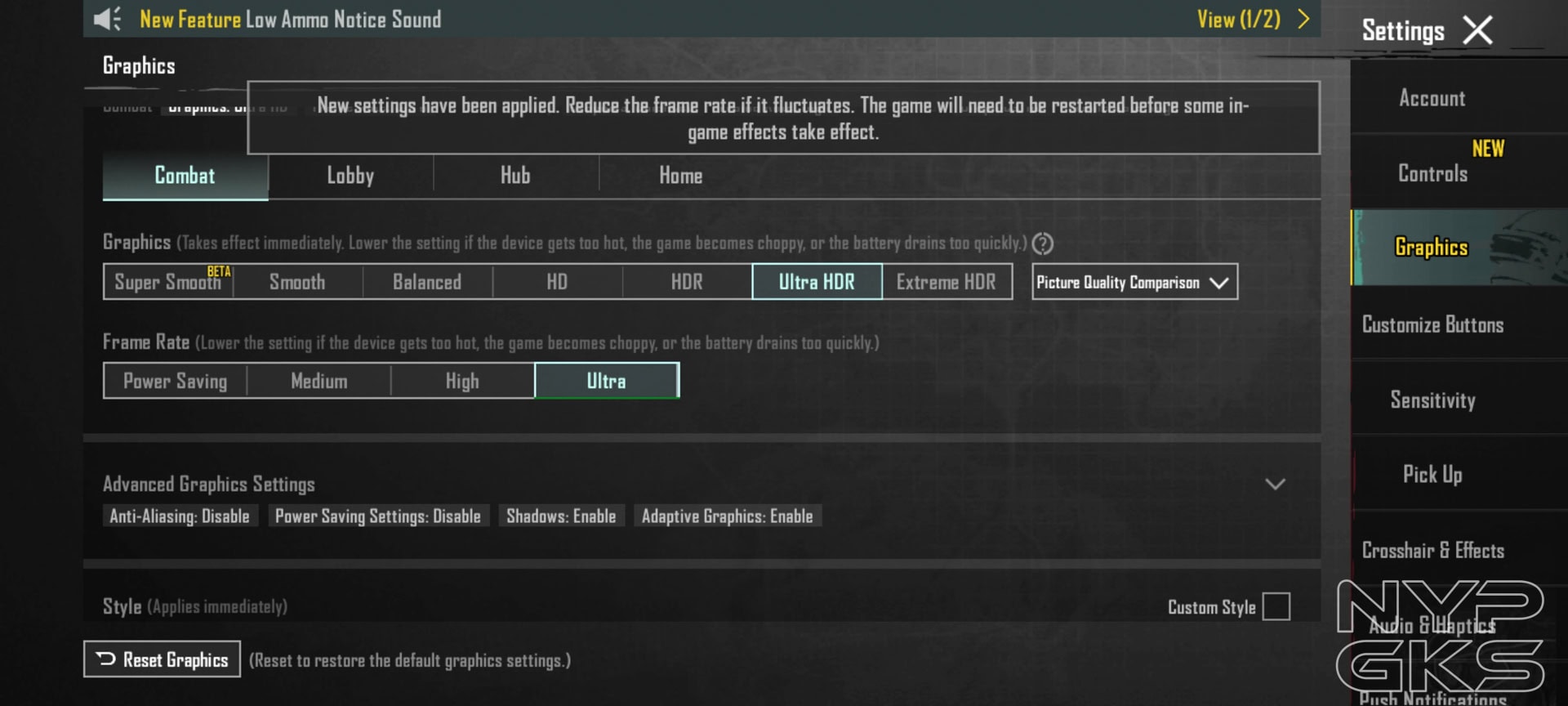


Performance in both day-to-day tasks and gaming was incredible, as expected from a flagship. But as a cherry on top, it does the heaviest workloads without suffering from heating issues.
| Game | Graphics Settings |
| Genshin Impact | • Render Resolution: Highest • Visual Effects: High • SFX Quality: High • FPS: 60 |
| PUBG Mobile | • Graphics Quality: Ultra HDR • Frame Rate: Ultra |
| Call of Duty: Mobile | • Graphics Quality: Max • Frame Rate: Max |
| Farlight84 | • Graphics Quality: Peak • Frame Rate: 60 |
| Mobile Legends: Bang Bang | • Resolution: HD • Frame Rate: Ultra |
| Asphalt Legends Unite | • Visual Quality: High Quality • Frame Rate: 60 |
Software and User Interface
A big feature of the vivo X300 Pro is its Origin OS 6 software, making it the first vivo smartphone to launch outside of China to have it. It is based on Android 16 and will receive 5 years of OS upgrades and 7 years of security patches.

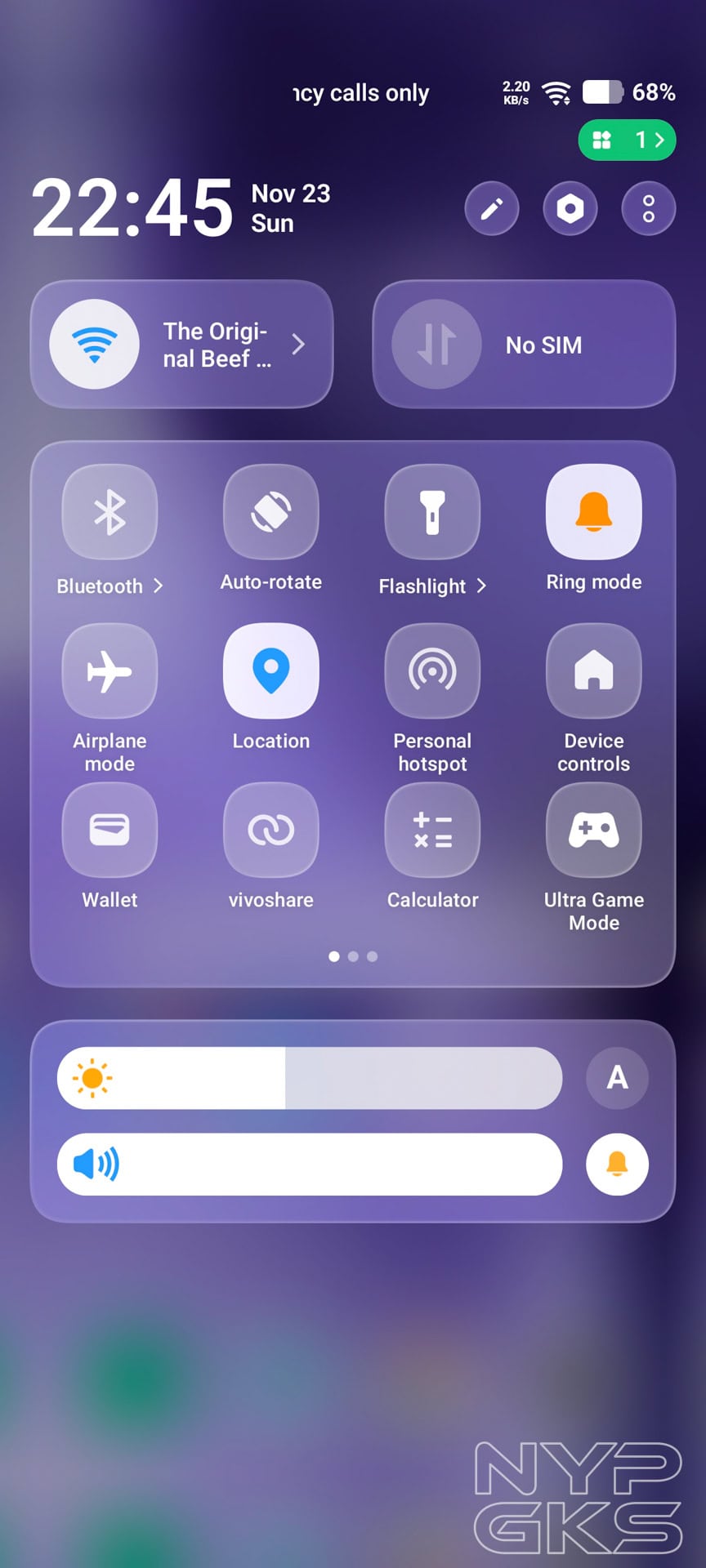
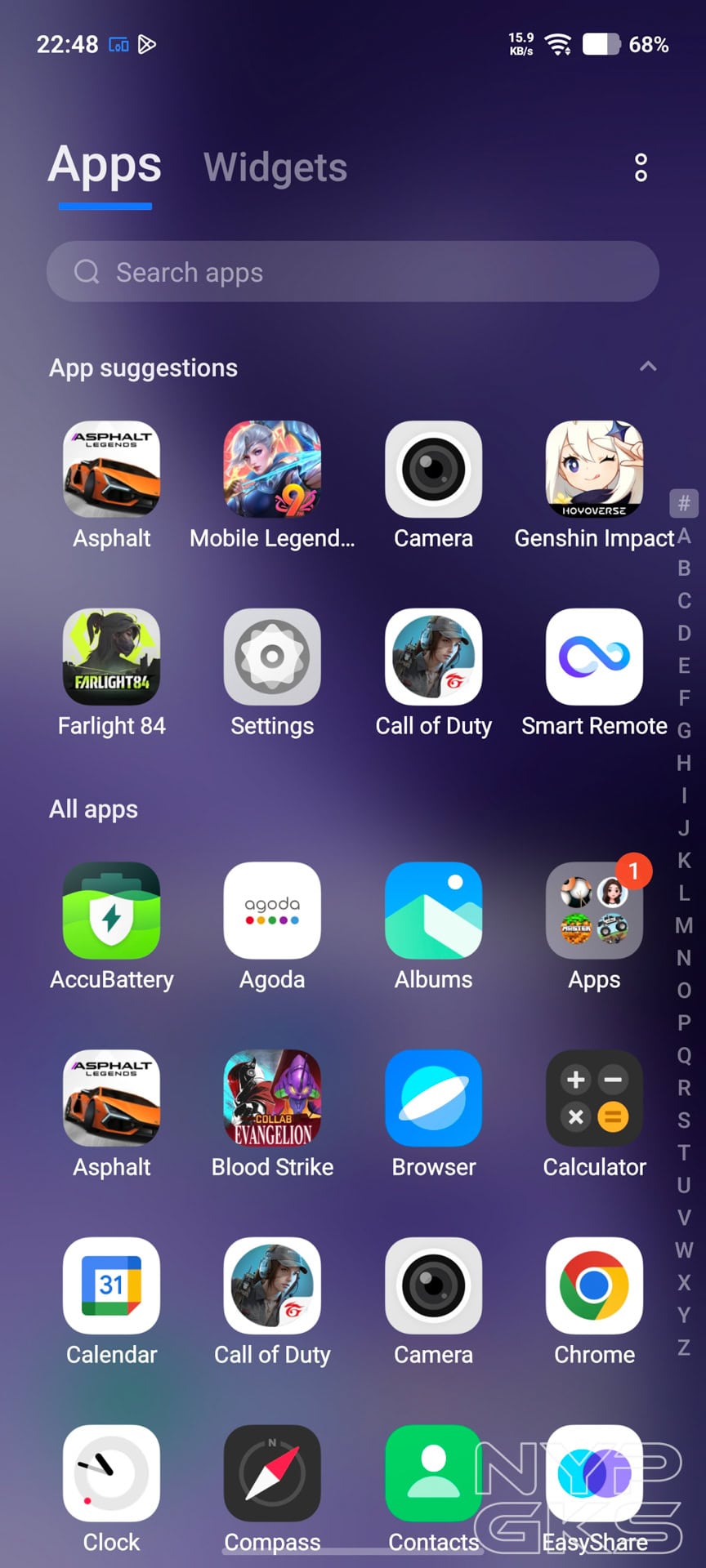

As with most interfaces, OriginOS has transparent elements inspired by the new iOS 26. We also have dynamic lock screens with large clocks, customizable fonts and colors, and widget support.
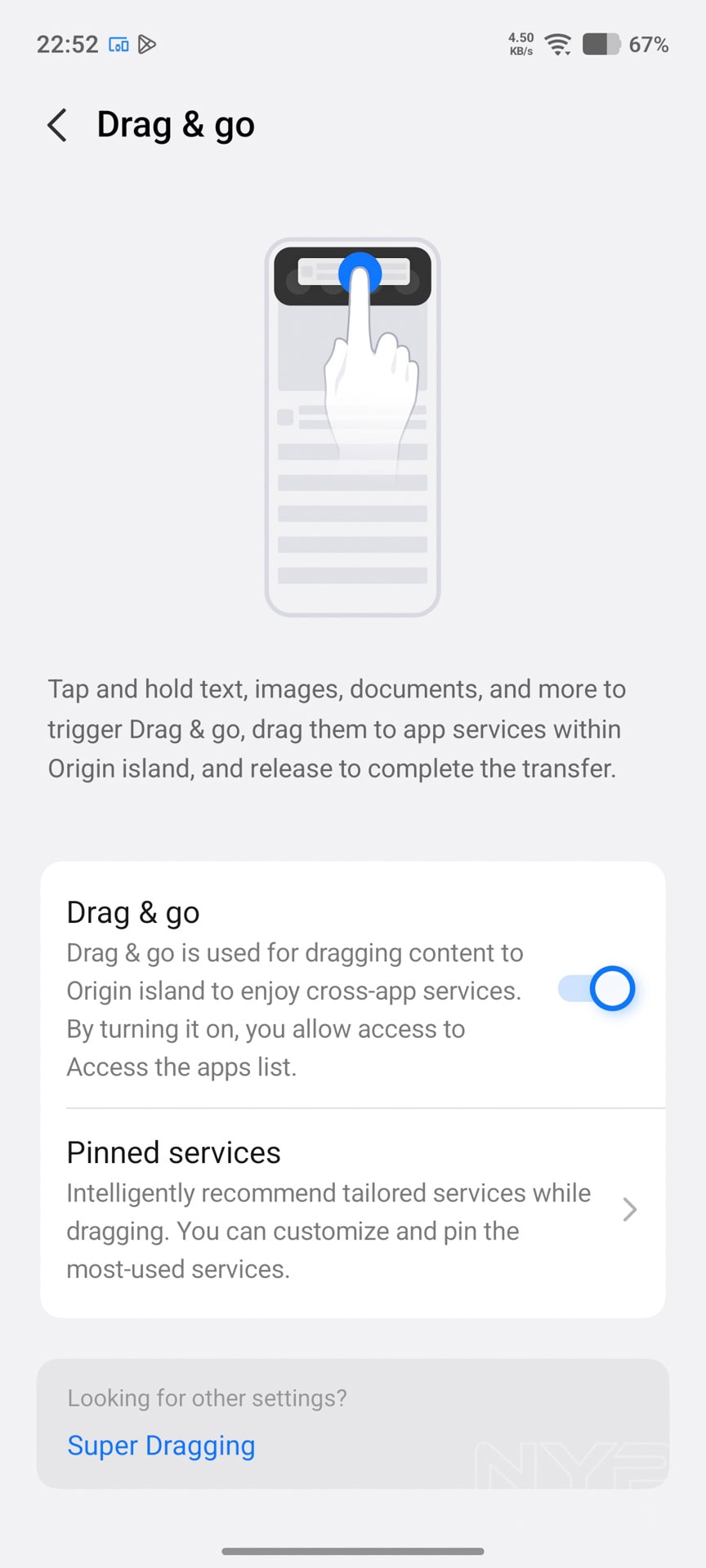

The Origin Island is handy and actually offers more features than Dynamic Island. It offers contextual suggestions and allows you to easily drag and drop files from one app to another.
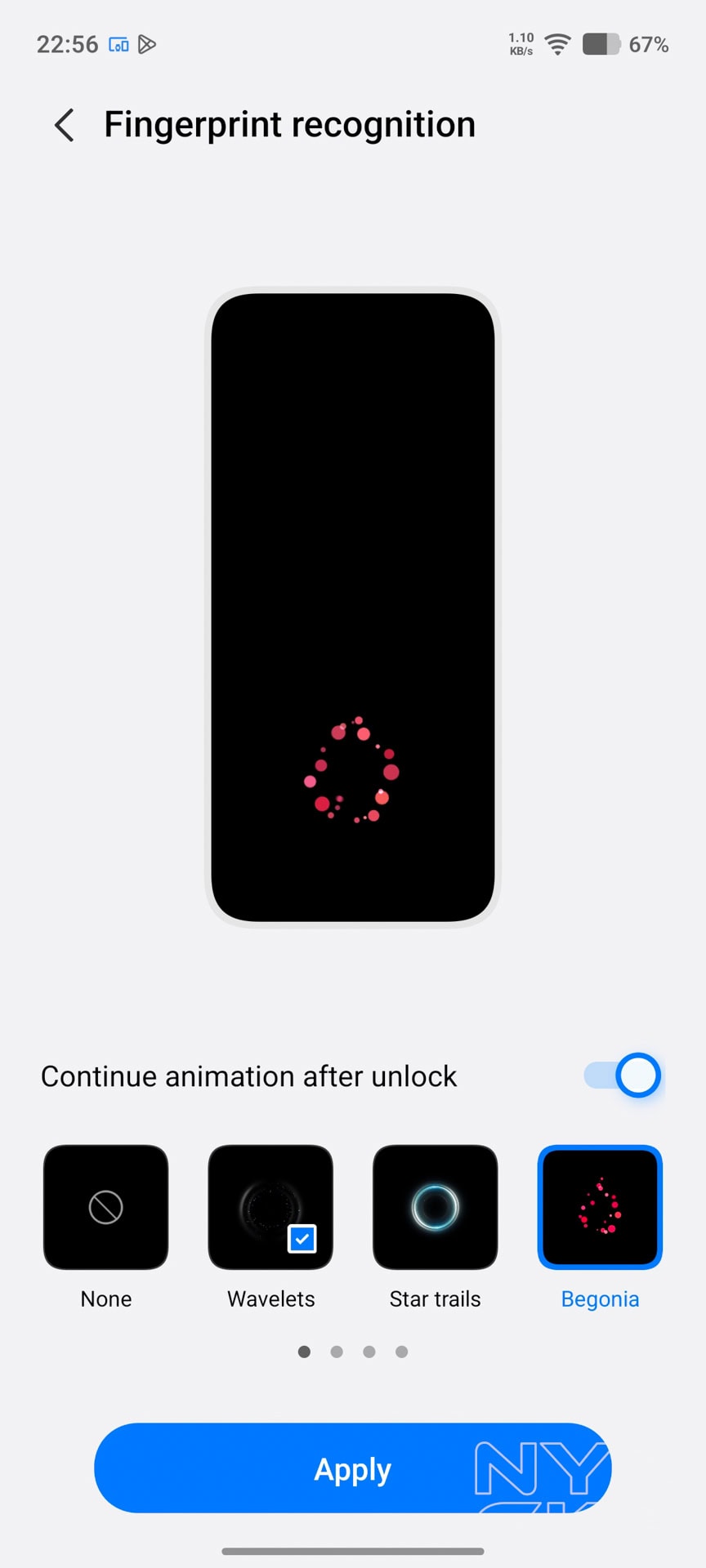
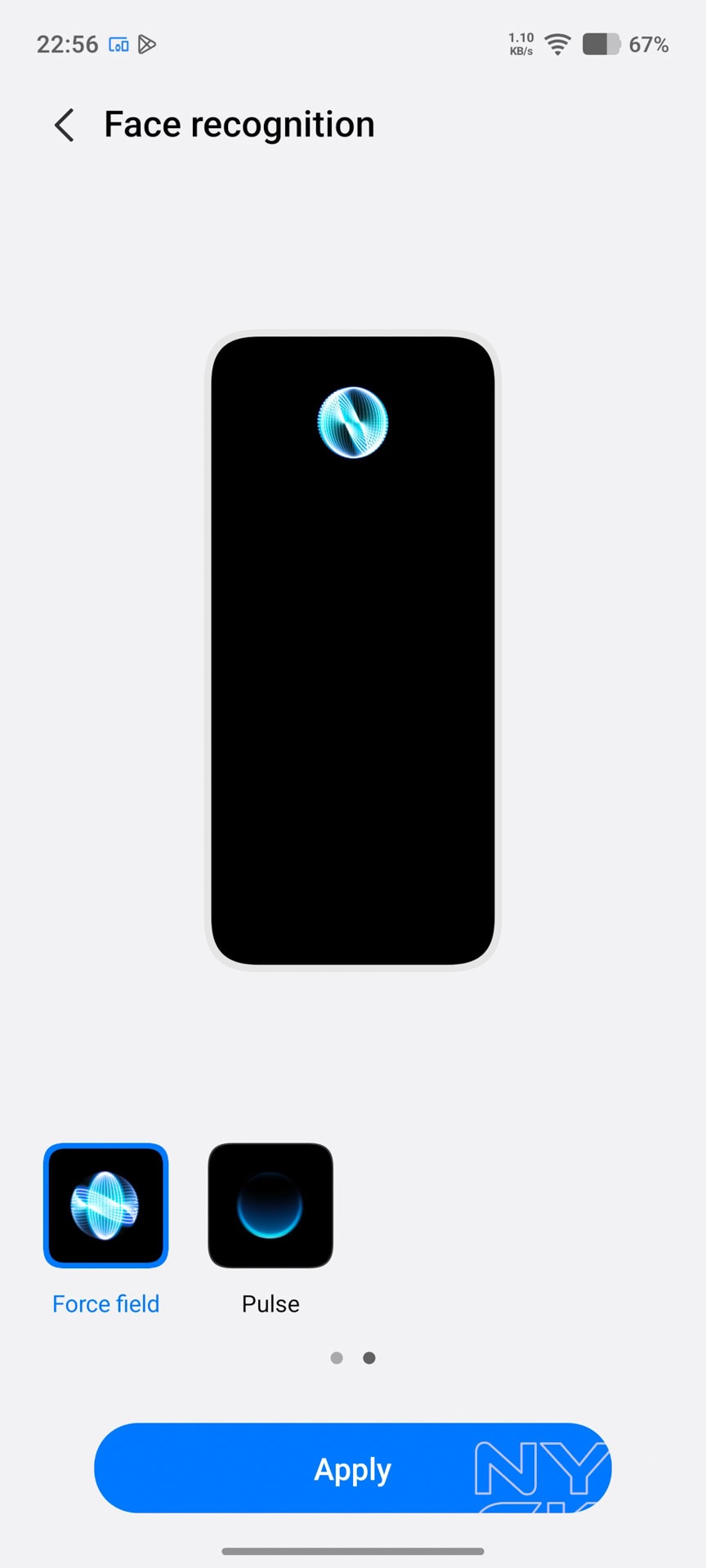
Both the ultrasonic fingerprint scanner and face unlock worked fast and reliably.
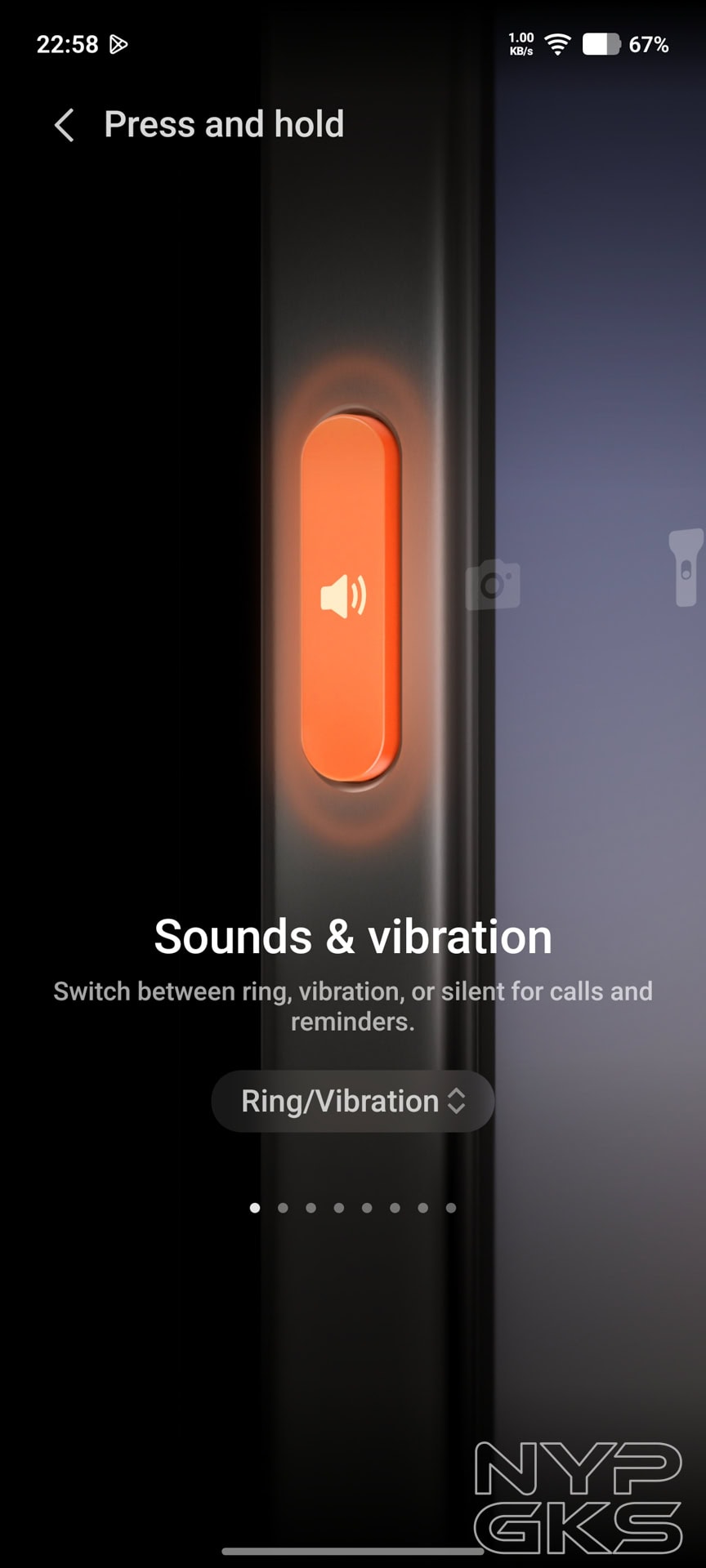

The side button was also handy and recognizes ‘Press and Hold’ and ‘Double-press’ gestures. You can assign them to switch between Sound and Vibration modes, open the camera, flashlight, Notes, voice record, AI caption, and launch any chosen app.
If you’re not convinced that this feature was heavily inspired by iPhones, just look at how they designed its settings. Unfortunately, just like the Action Button on iPhones, you tend to forget that it’s there and almost never use it.


As a true flagship phone, the vivo X300 Pro is rich in AI features. There’s the Google Gemini AI Assistant, AI Captions, AI Creation (writer, summarize, translation), and AI SuperLink that vivo claims improves cell coverage in basement parking lots by 60%, in elevators by 68%, and drops video streaming by up to 71%.
There are also many AI features in the gallery, but it’s annoying that you have to sign in to your account to use them. Anyway, it has all the usual stuff: AI Eraser, UHD (image upscaler), AI Storyboard, Image Expander, and AI Color adjustment.
Overall, we’re happy to be finally experiencing OriginOS, and we’re excited to see how well it performs on cheaper vivo phones in the future.
Cameras
vivo continues its partnership with renowned optics maker ZEISS for the vivo X300 Pro. It boasts a 50-megapixel LYT-828 main sensor with f/1.6 aperture, PDAF, and optical image stabilization. There’s also a 50-megapixel ultra-wide lens and a 50-megapixel sensor for selfies.

A big highlight here is the ultra-sharp 200-megapixel HPB periscope telephoto lens with OIS, PDAF, and f/2.67 aperture.
For videos, it can shoot at 1080p at 30fps/60fps, 4K at 30fps/60fps/120fps, and 8K at 30fps. It also has Dolby Vision recording support.


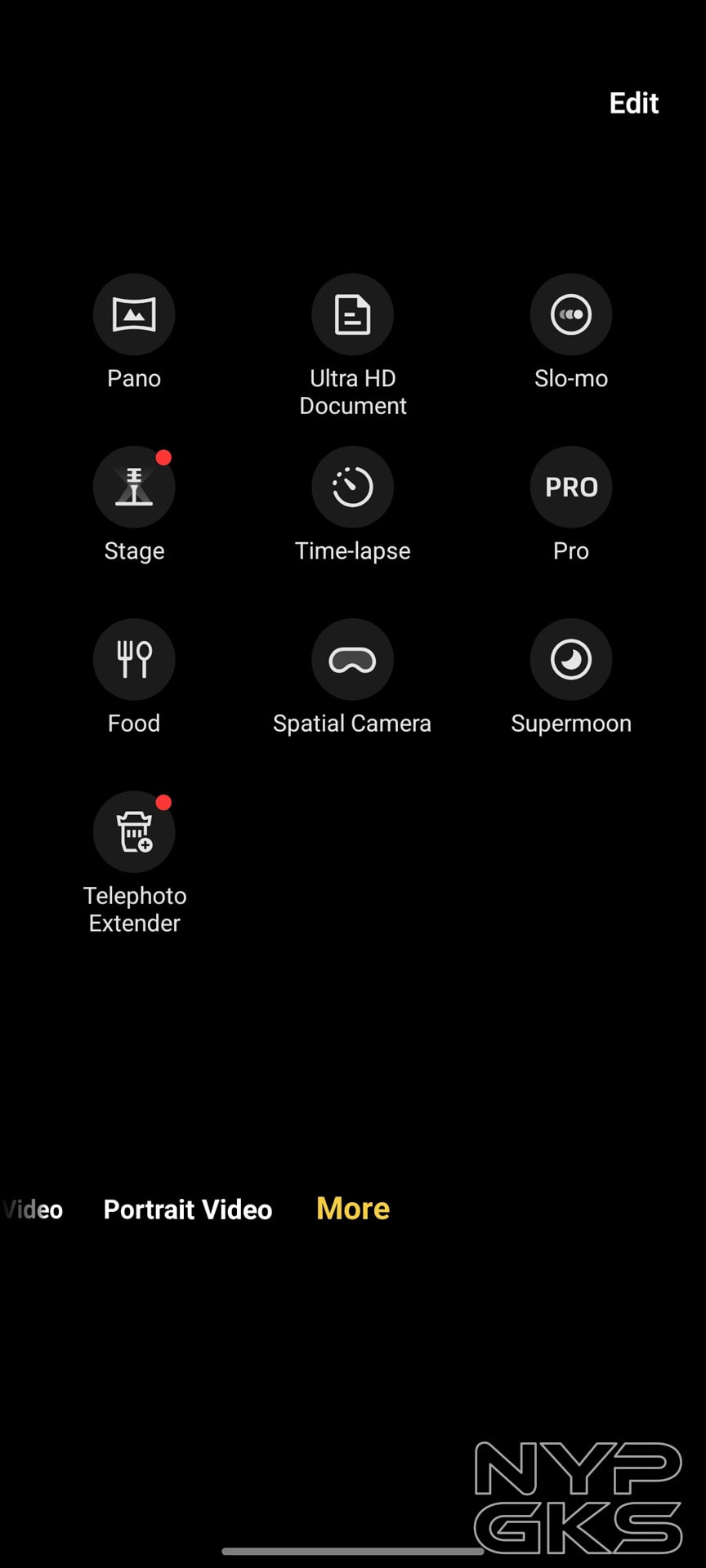

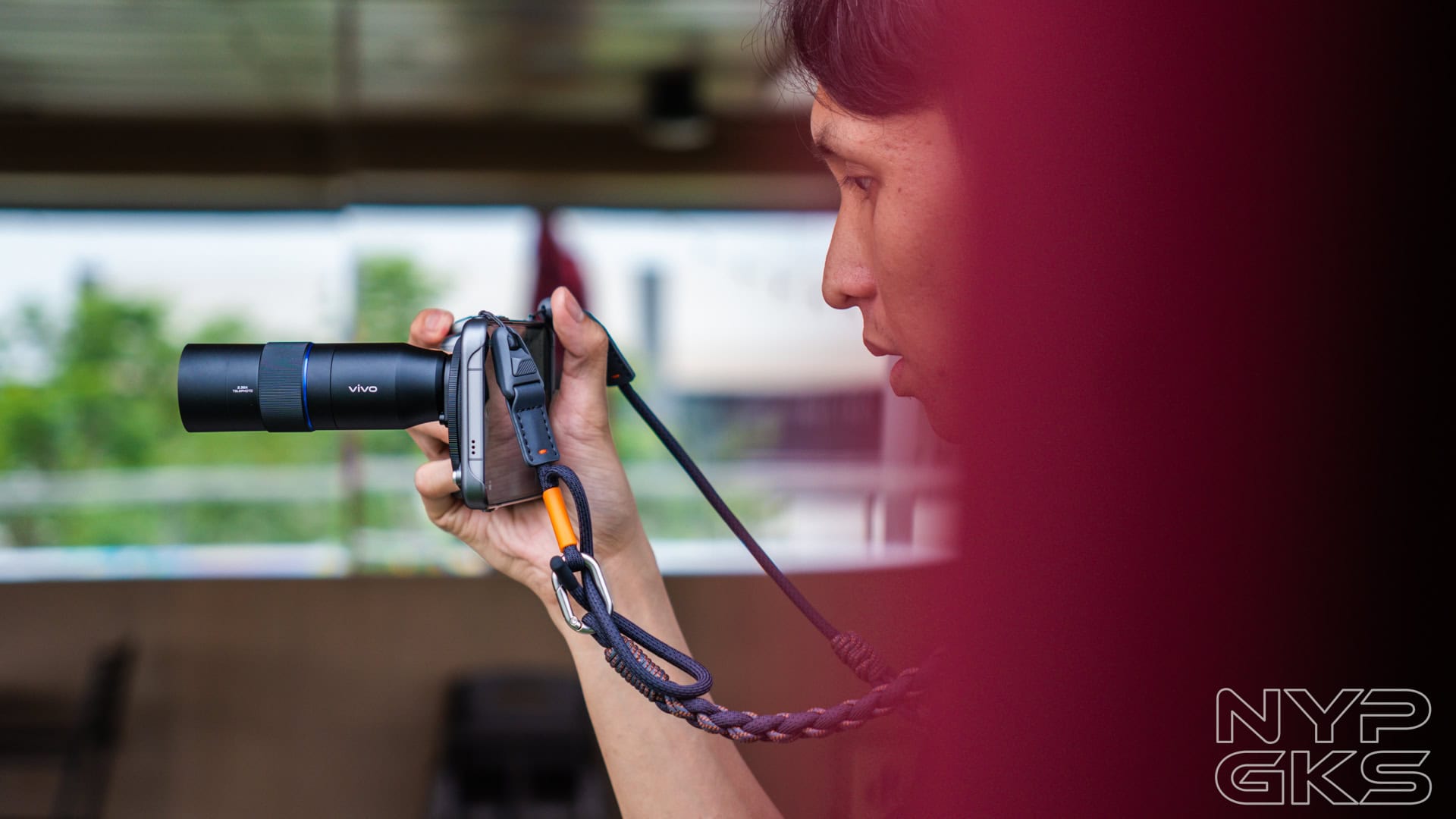
But another big feature is the ZEISS Telephoto Extender Kit and PGYTECH Imaging Grip kit, which are both sold separately.
They add a long teleconverter lens, lens mount, lens adapter ring, metal decorative rings, a classic camera-inspired case with leather material and built-in stand, and a long shoulder strap.


The camera grip kit is actually very handy. It attaches via USB-C and adds shutter and recording buttons, a zoom dial, and greatly improves grip when taking pictures.
Meanwhile, the telephoto camera feels like a niche product and makes the device really front-heavy. Is it worth getting? Before we look at its image quality, let’s first see how the X300 Pro takes telephoto shots without it.
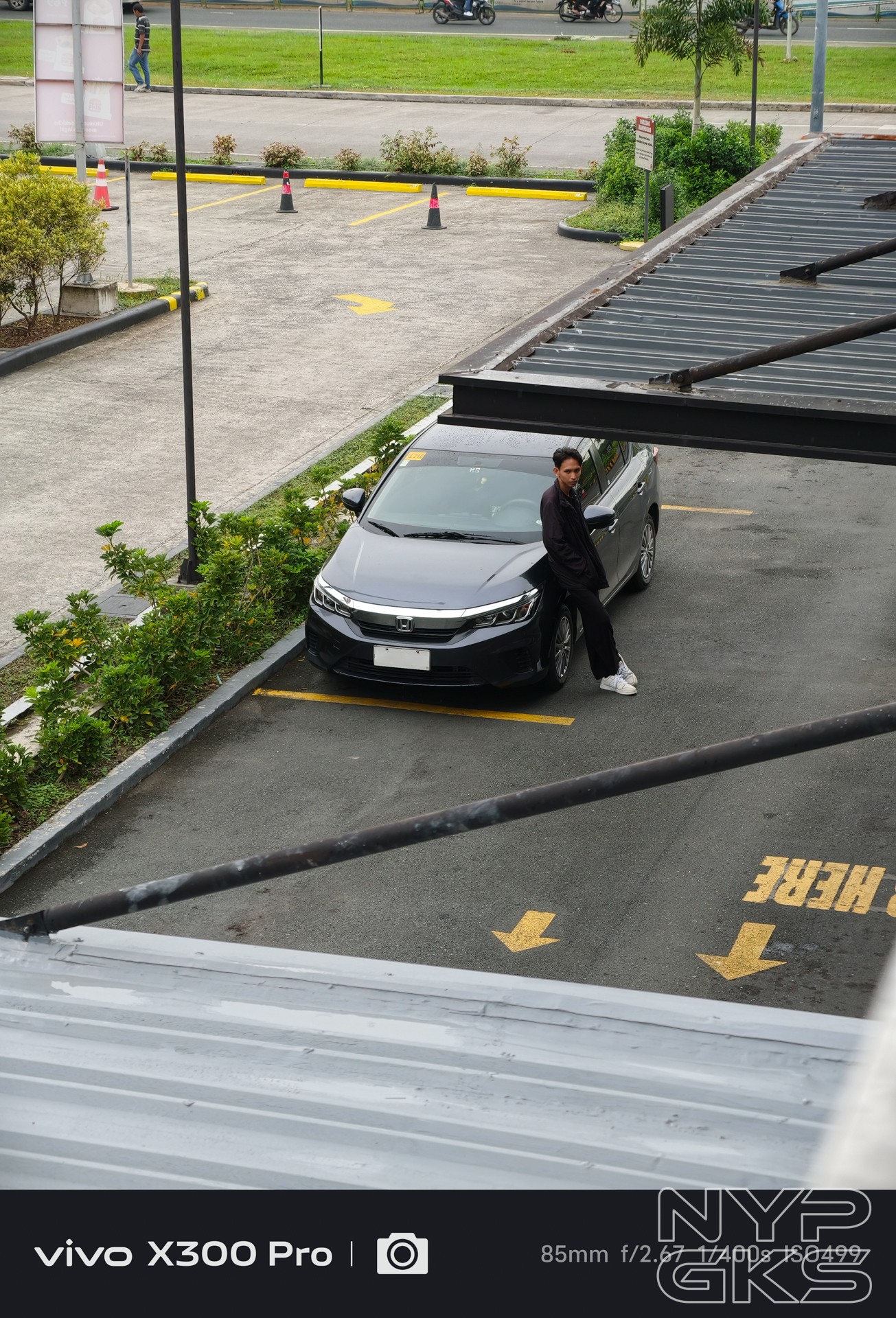
The 50-megapixel telephoto lens offers 3.5x optical zoom with an 85mm equivalent. The portrait performance of the series continues to impress us. Shots just look incredible, day or night.




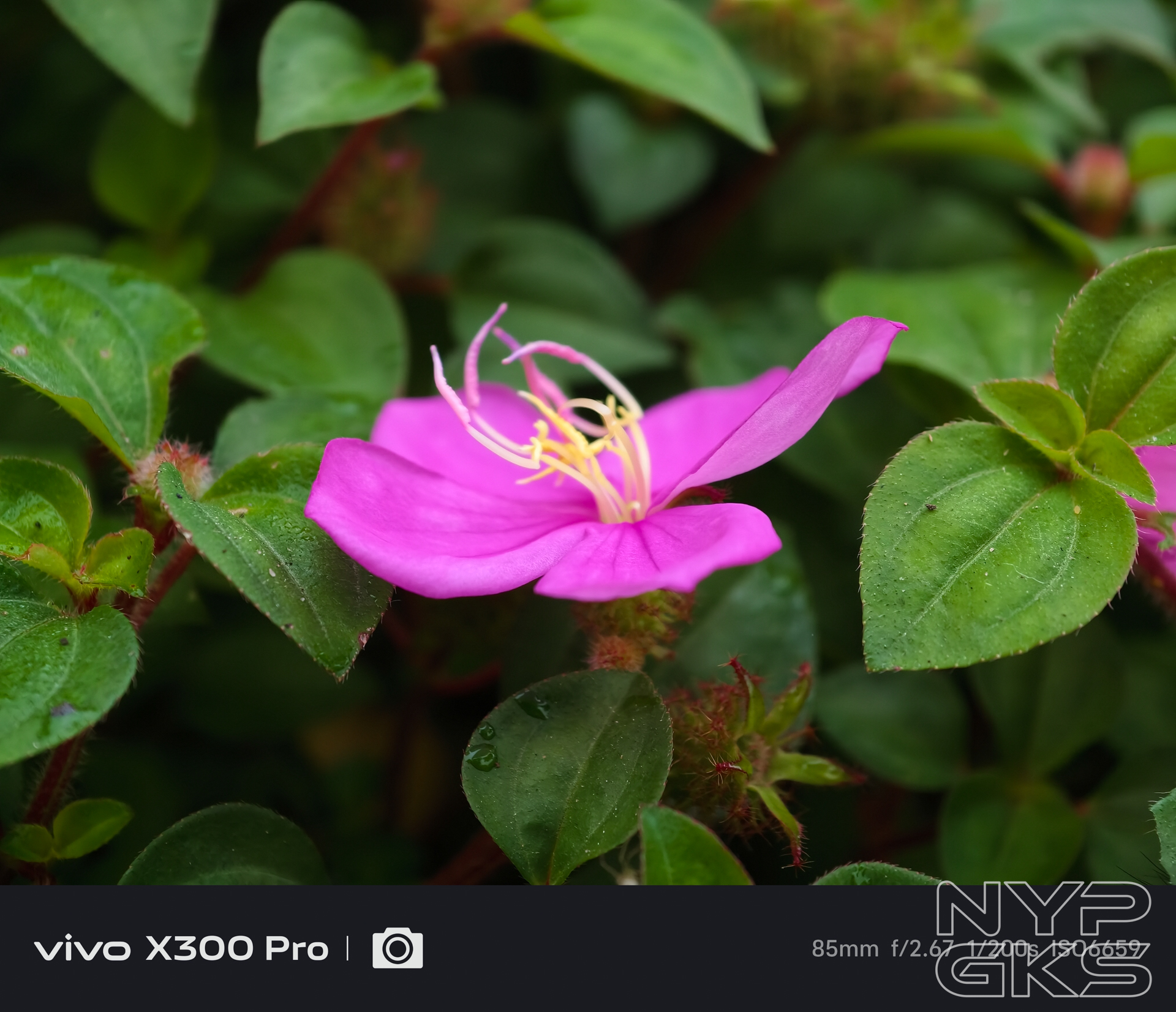

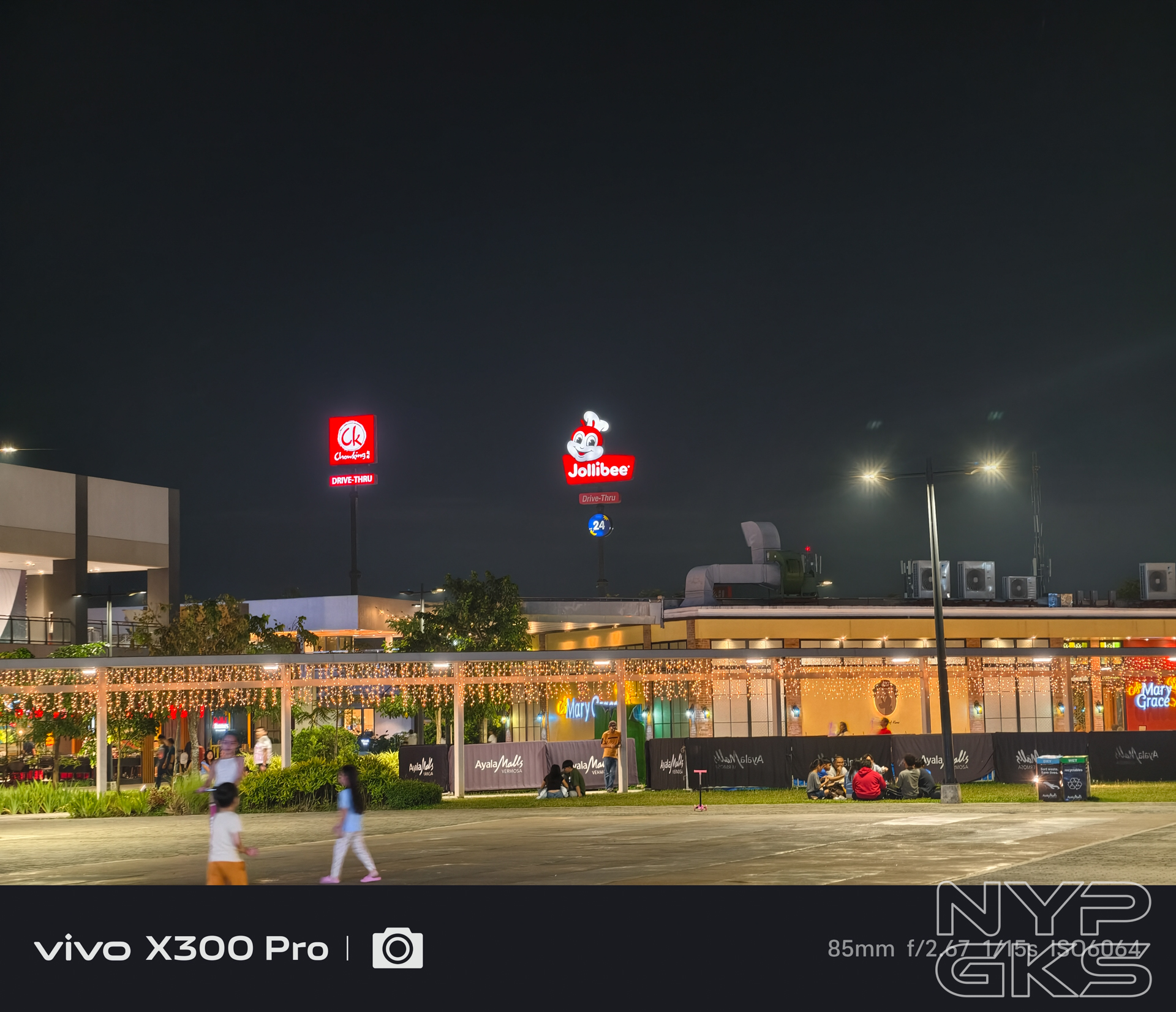
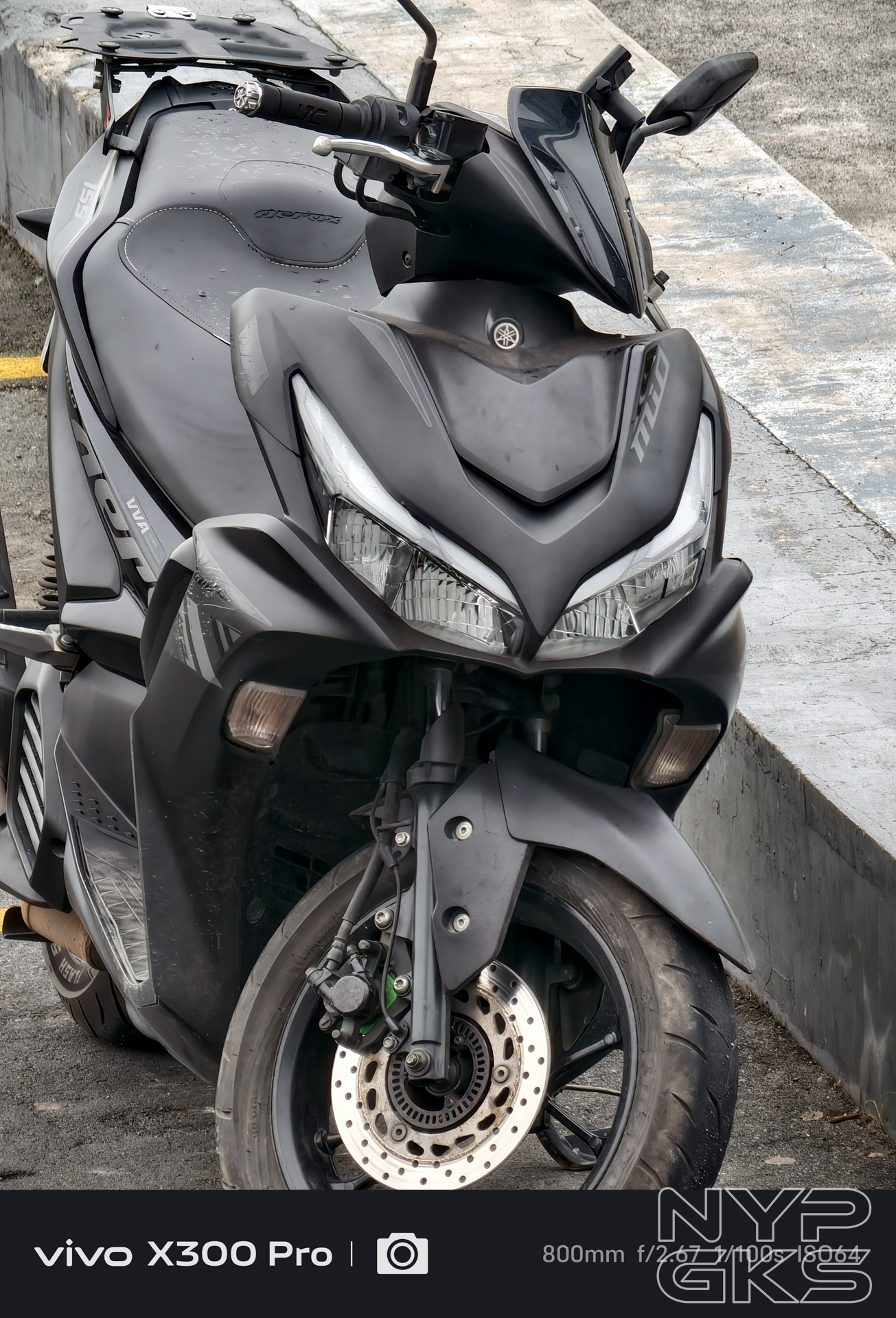
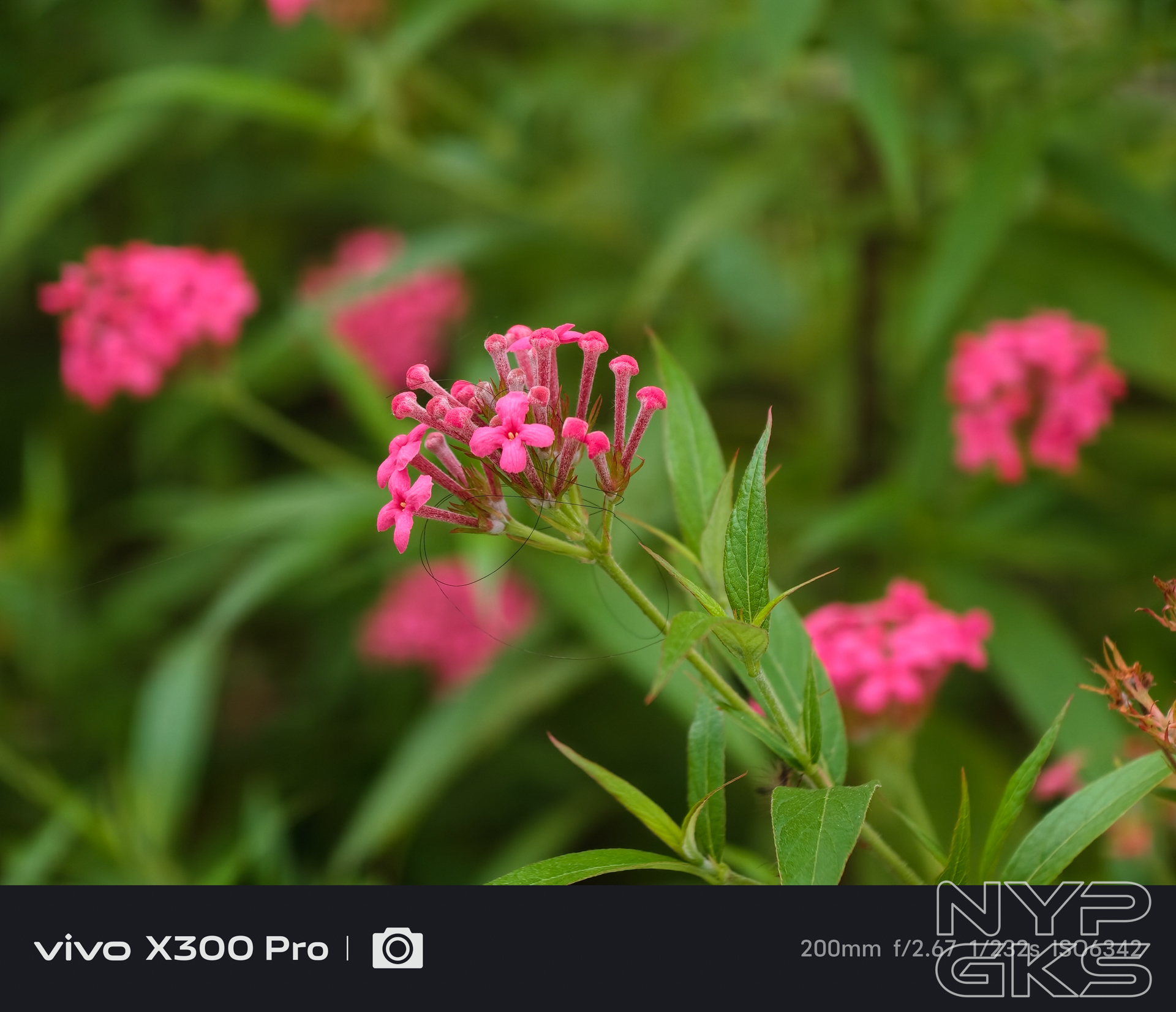
The teleconverter lens, paired with the sharp telephoto lens, lets you shoot with a 200mm focal length, up to 5400mm.
Shots with the lens accessory looked really nice with ample details, good colors, and dynamic range. However, we start to see noticeable post-processing going beyond 200mm but that’s expected
Having an extra-long lens on top of a thin smartphone can be a bit cumbersome. On the upside, the accessory is easily removable, similar to how you’d replace the lens of a professional camera.





The main camera, as expected, takes exemplary daytime photos. We see tons of details, realistic colors, and good dynamic range.

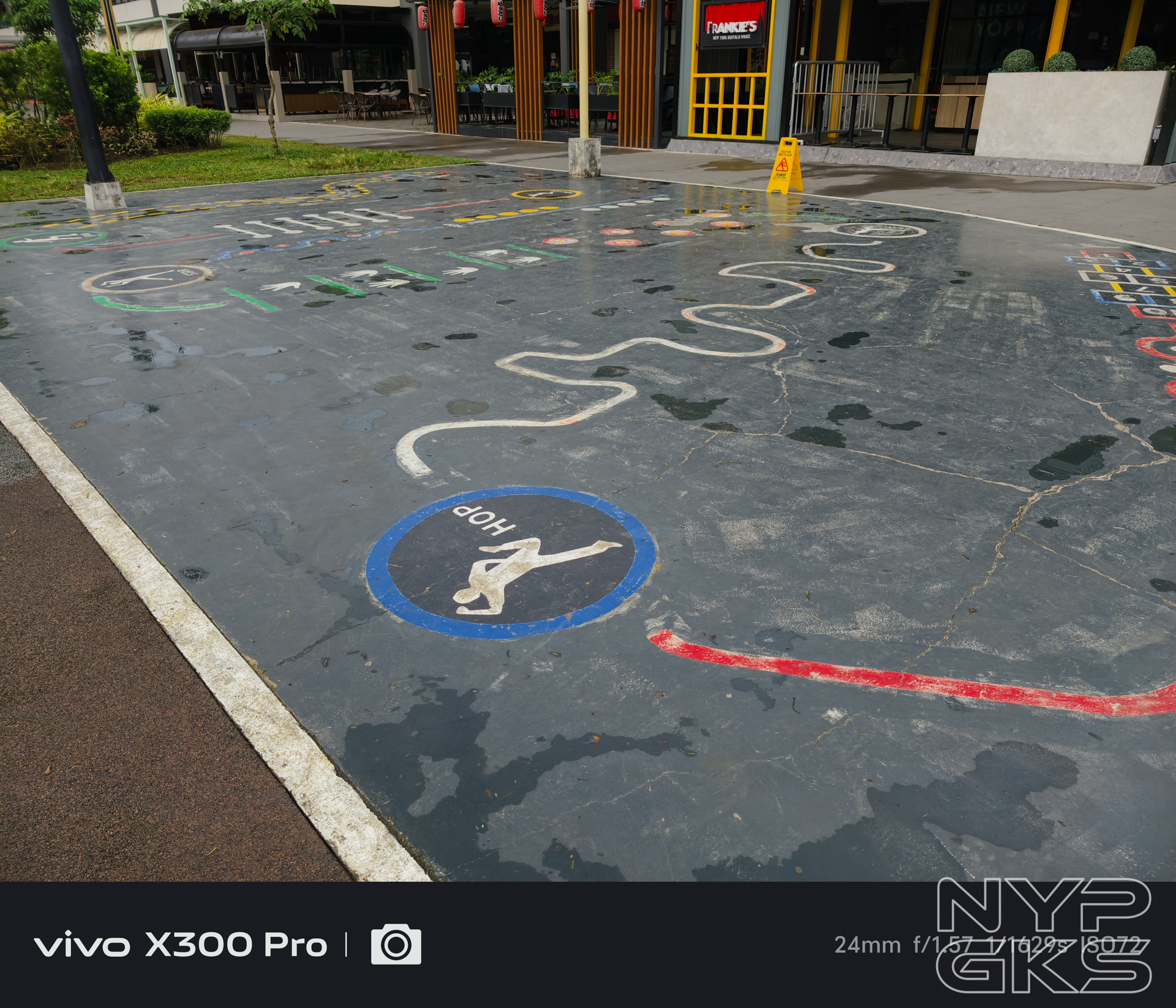
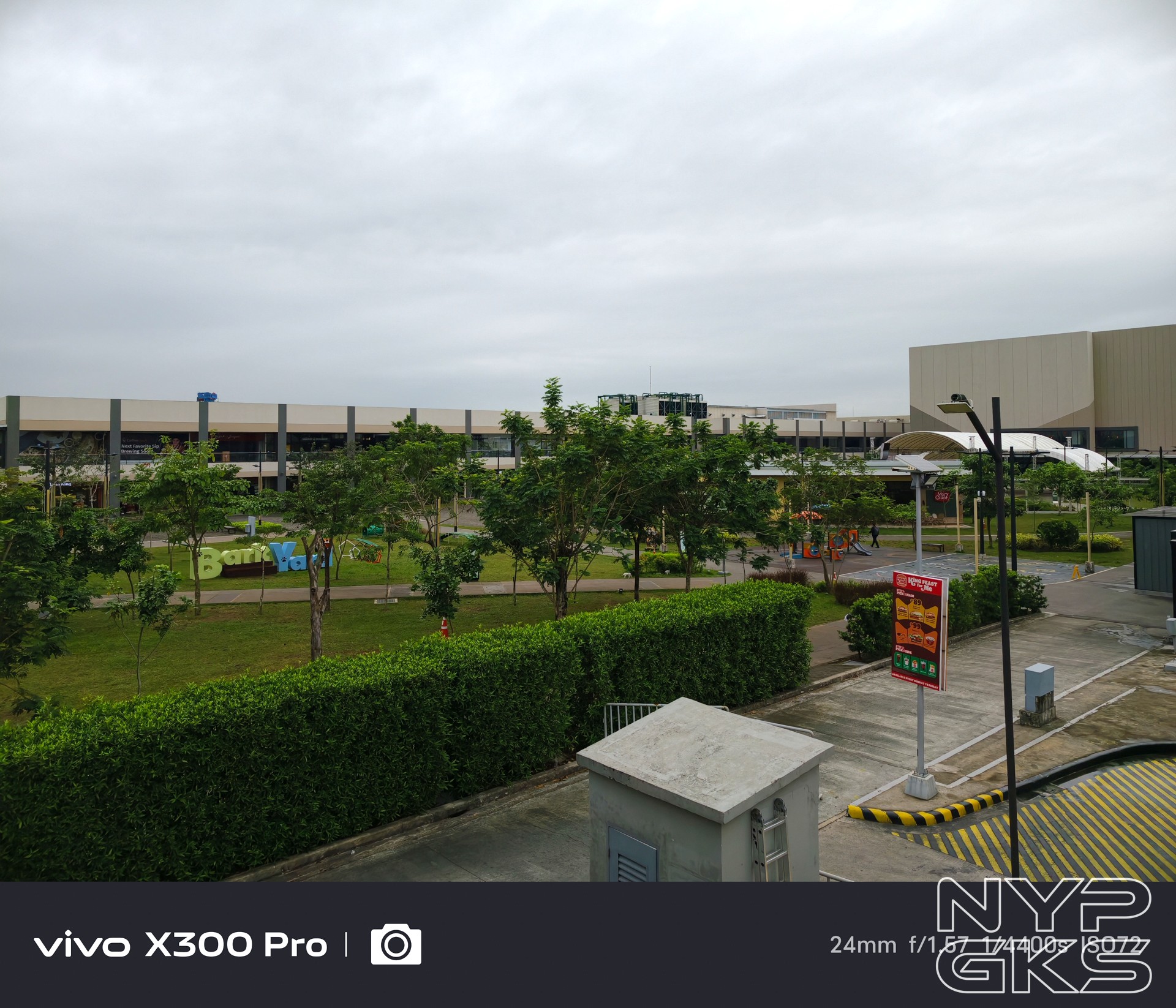


It continues to impress at night with well-lit photos, amazing dynamic range, and little to no visible noise and grains.




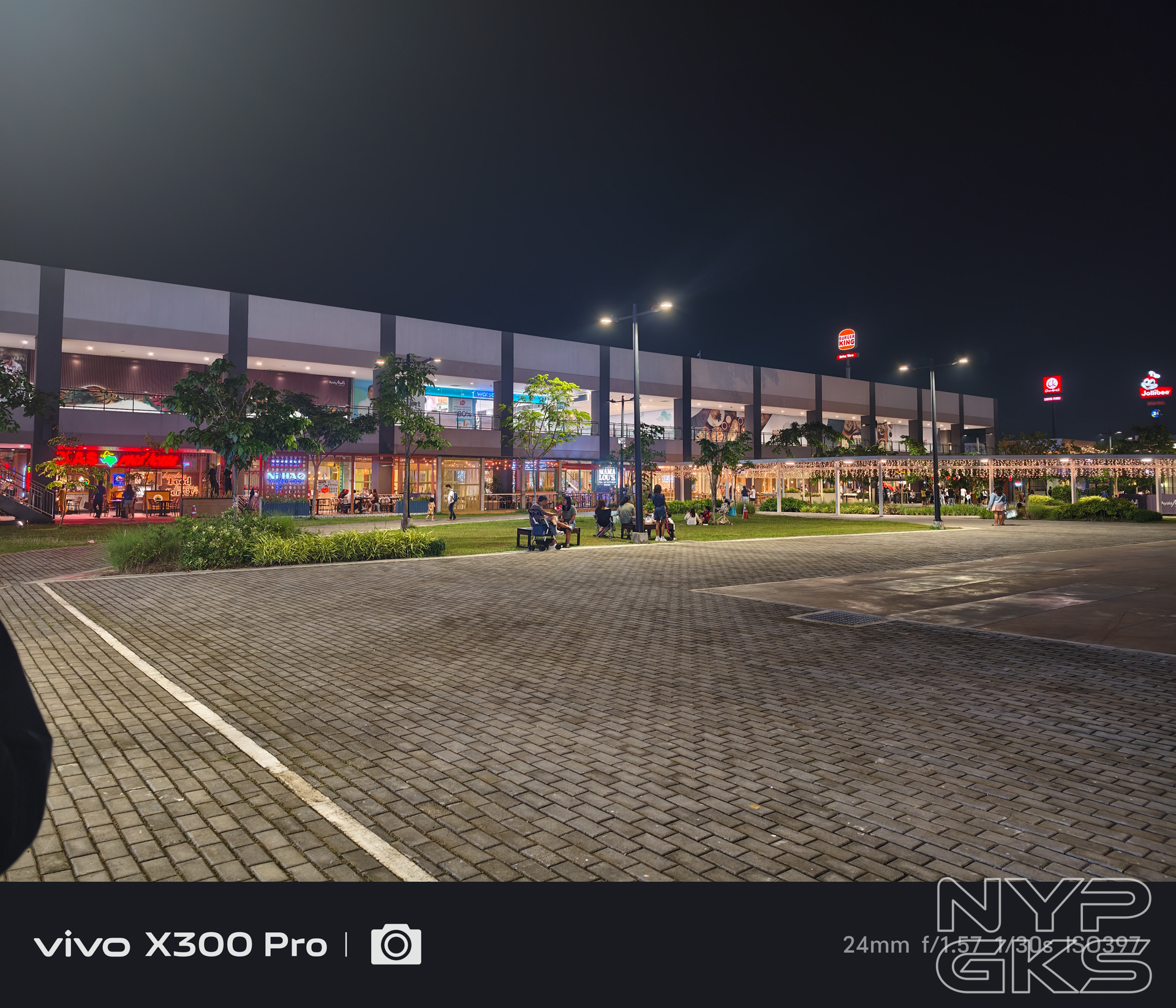
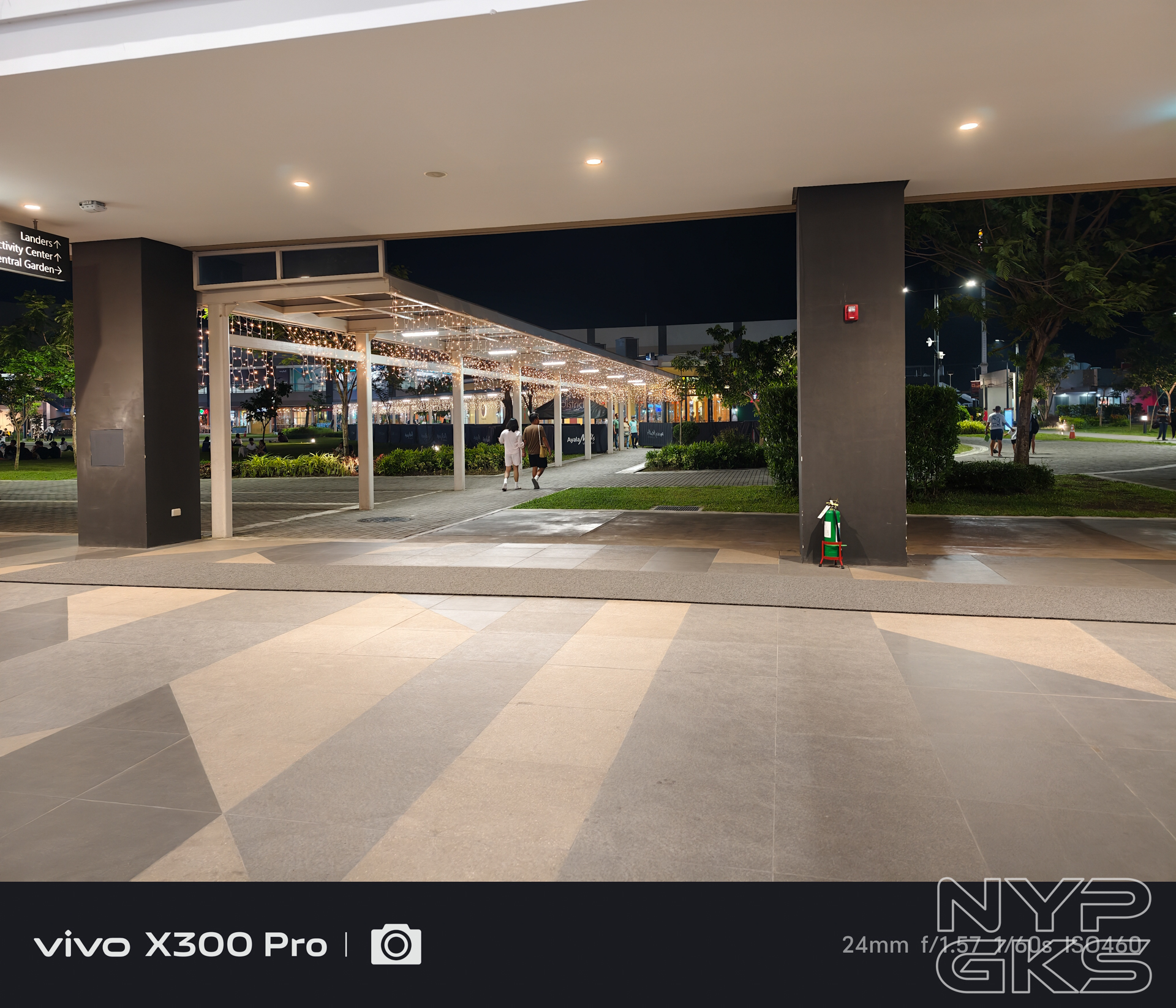


Even the ultra-wide is a killer performer. It handles the photos as well as the rest of the cameras, both in good and terrible lighting conditions. vivo also did a great job at handling barrel distortion.
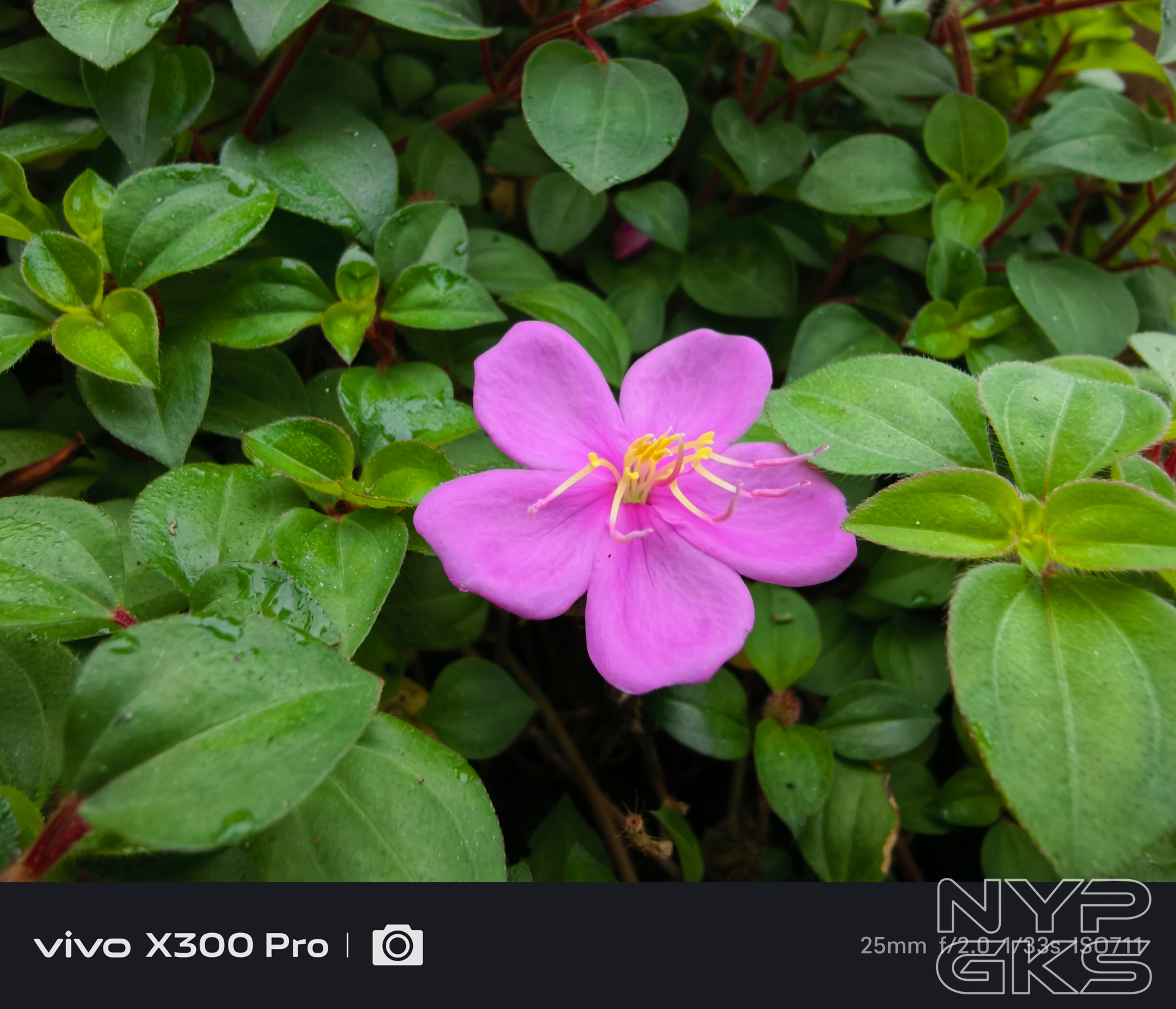


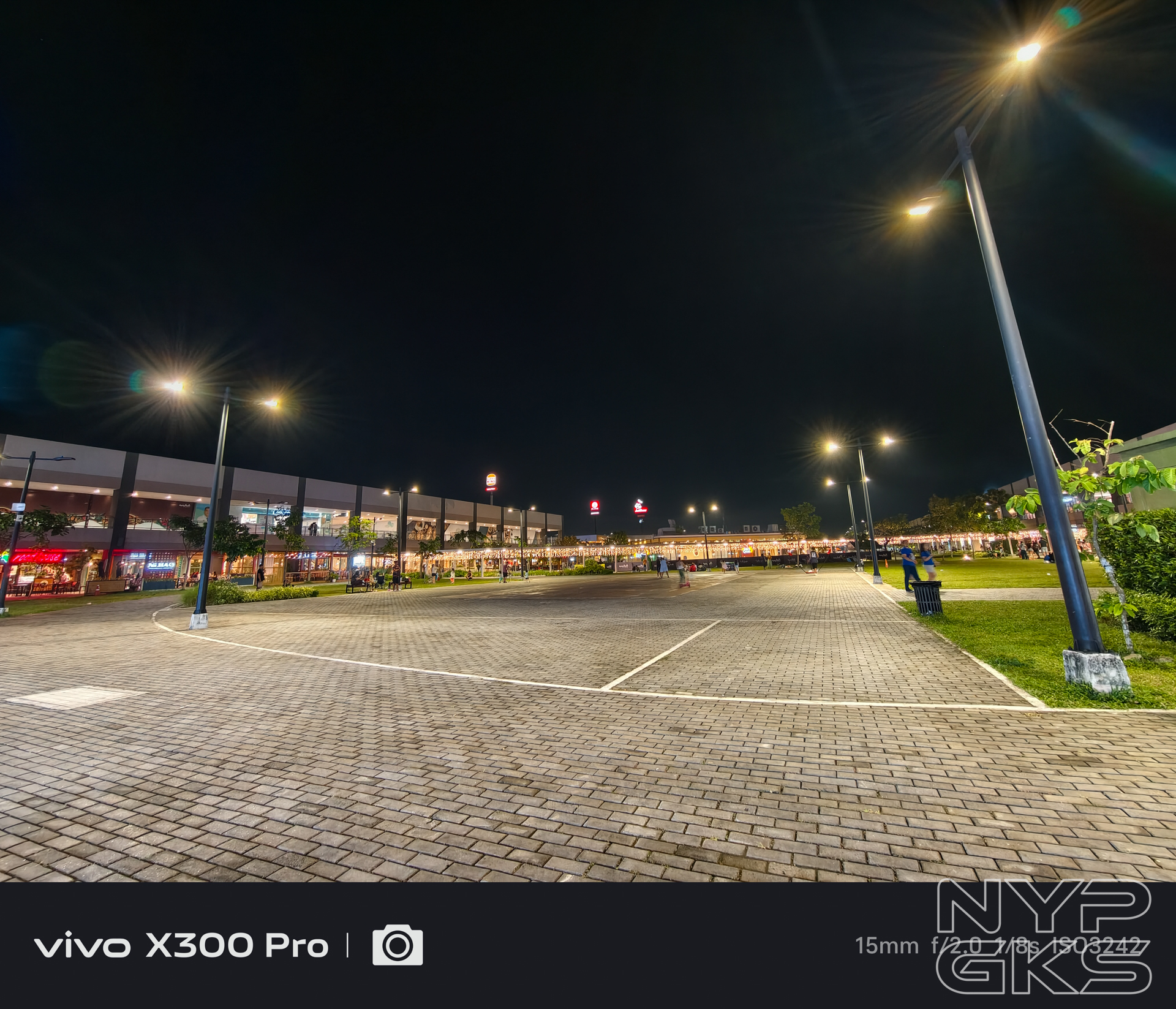

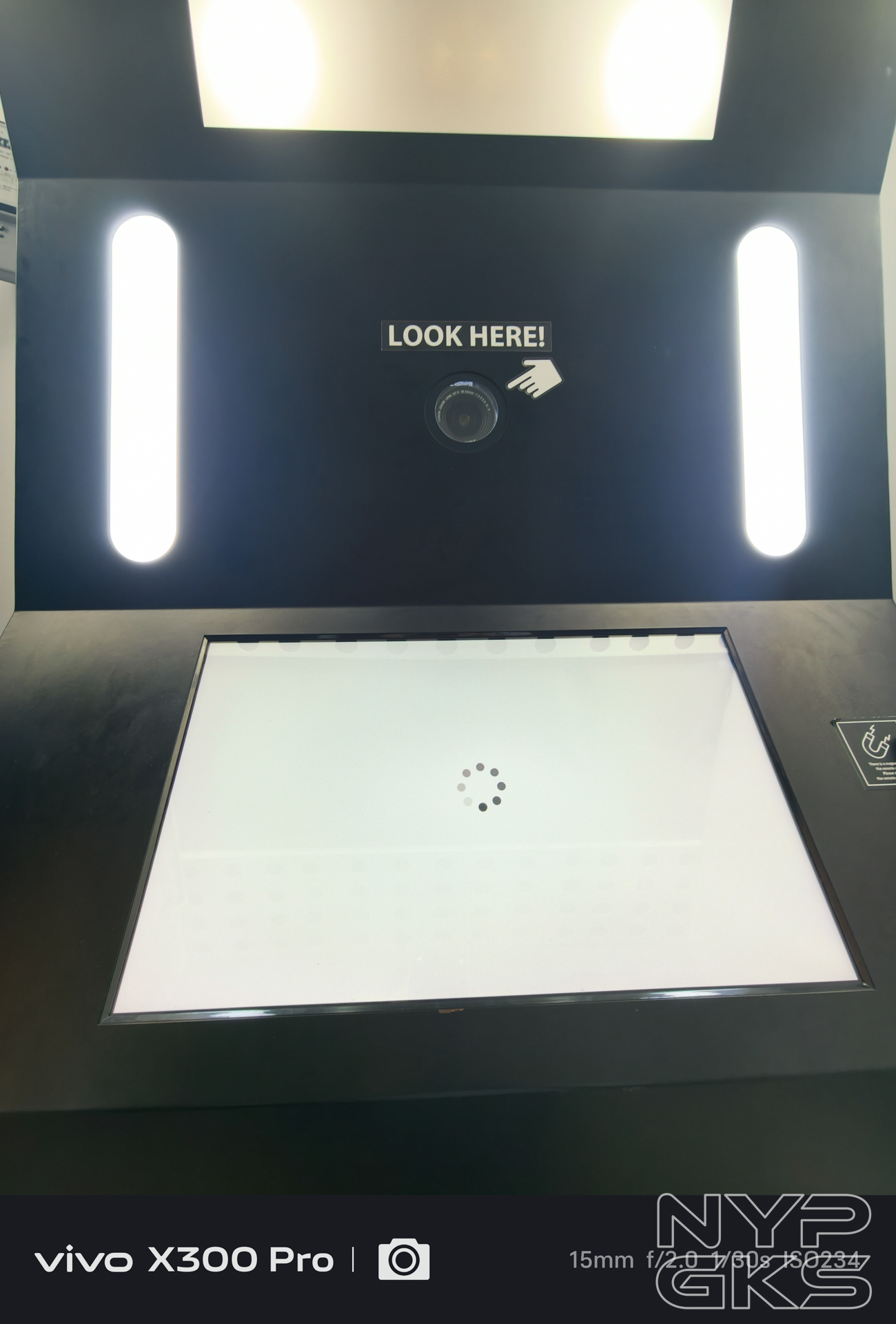

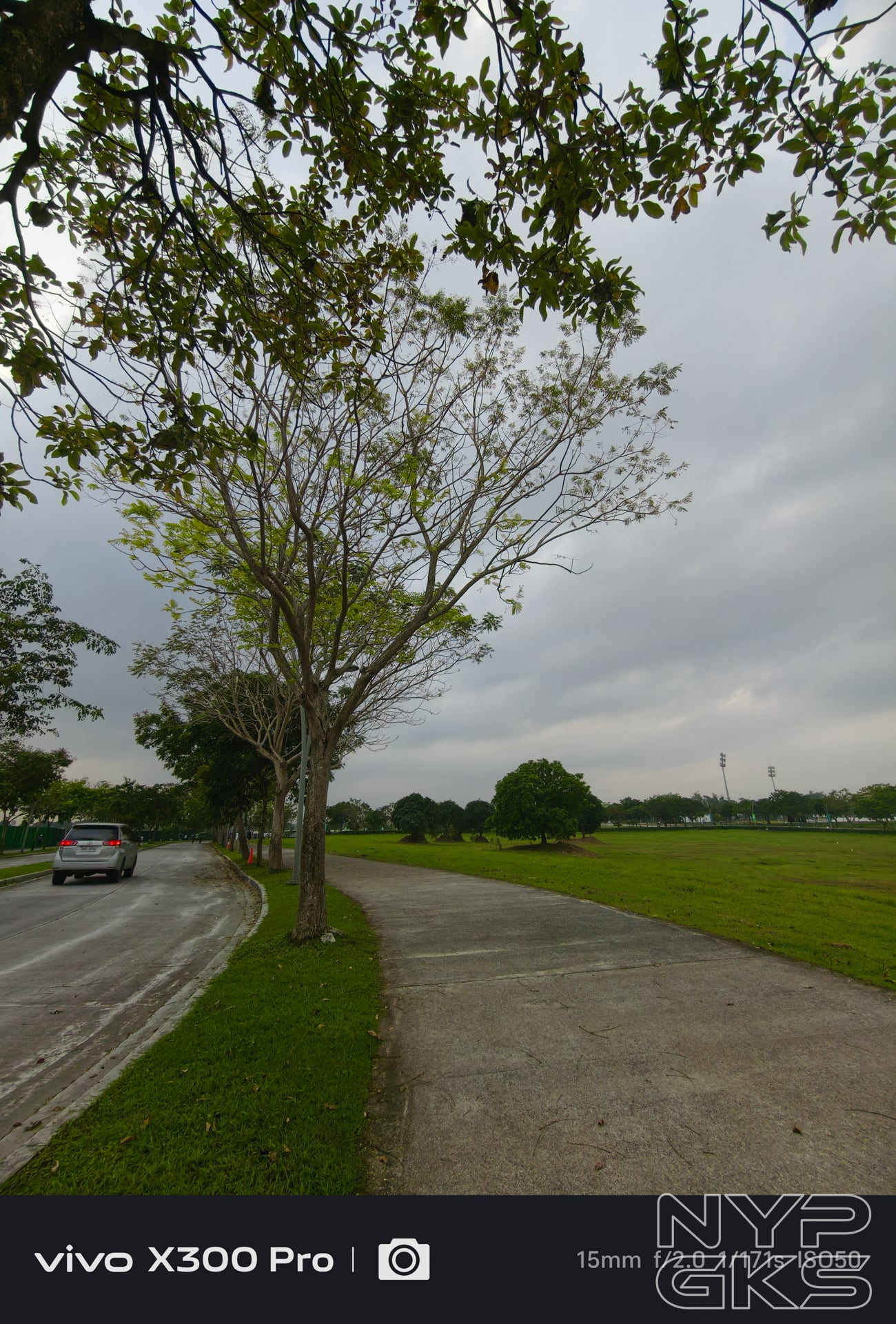
The upgraded 50-megapixel selfie camera with autofocus doesn’t miss, either. It offers sharp focus, excellent details even in low light, and accurate skin tones.
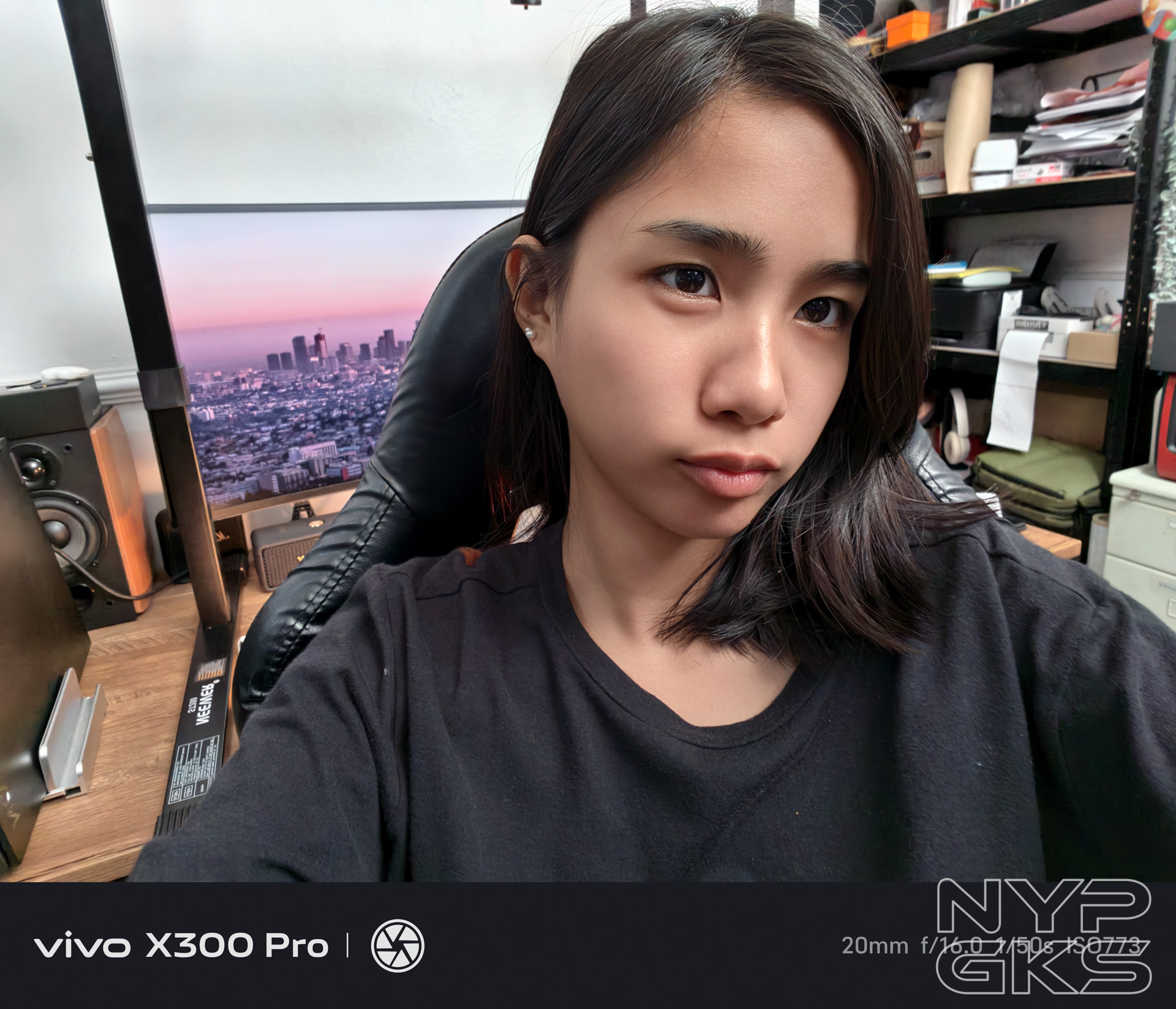


Coming from a line of dominating camera phones, it’s no surprise that the vivo X300 Pro offers one of the best photography experiences in the mobile world — even without the proprietary accessories that further improve the whole experience.
Battery and Charging
The vivo X300 Pro got a massivebattery upgrade. To avoid confusion, the Chinese and global version, which is the one we have here, has a 6,510mAh battery capacity.
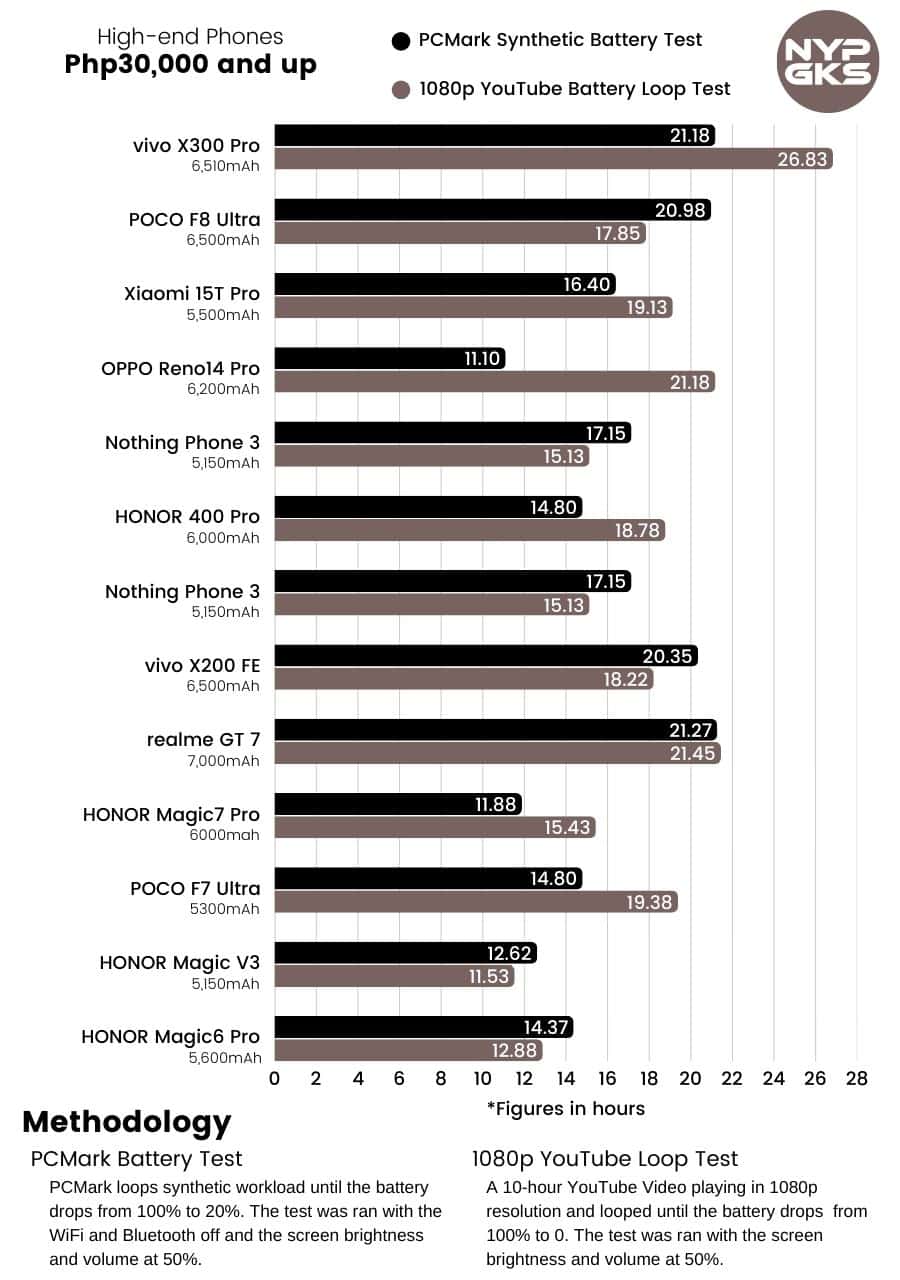

As you can see, it received the highest score in our 1080p YouTube Battery Loop Test. vivo phones have a good track record in our tests, always gaining some of the highest scores in almost all categories, so we’re not surprised by its impressive results.
Even the charging speeds are impressive. It comes with 90W wired charging, 40W wireless, and both reverse wired and wireless charging support.
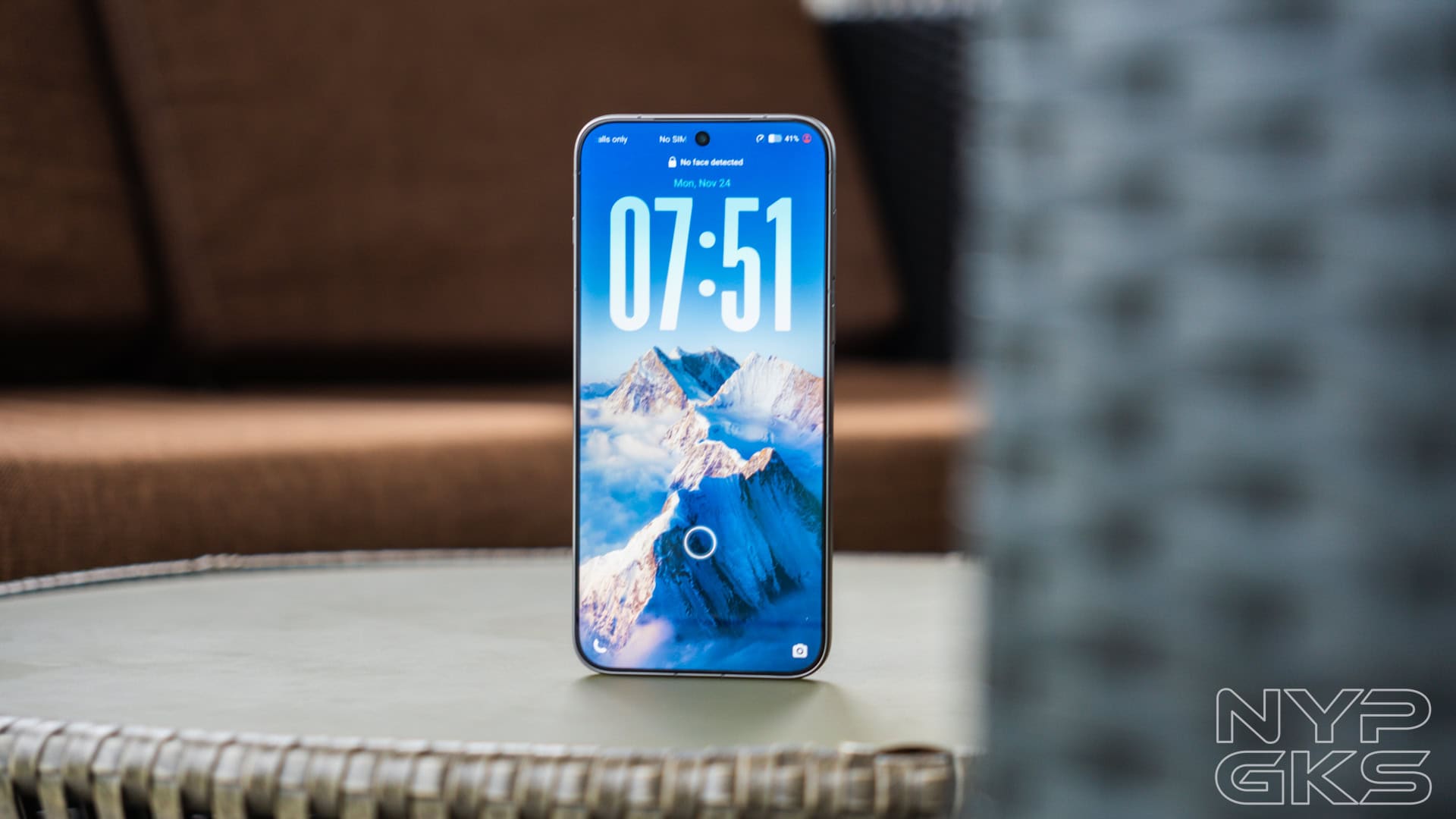
The wired charging instantly gets you to 0-27% in just 15 minutes. A full charge for its large battery only takes 56 minutes. See the full test below:
- 15mins: 27%
- 30mins: 56%
- 45mins: 83%
- 56mins: FULL
Verdict
The vivo X300 Pro is an expensive flagship, being pitted with other top-notch phones like the Galaxy S25 Ultra and OPPO Find X9 Pro. From what we’ve seen, vivo’s latest flagship has what it takes to take on these competitors.
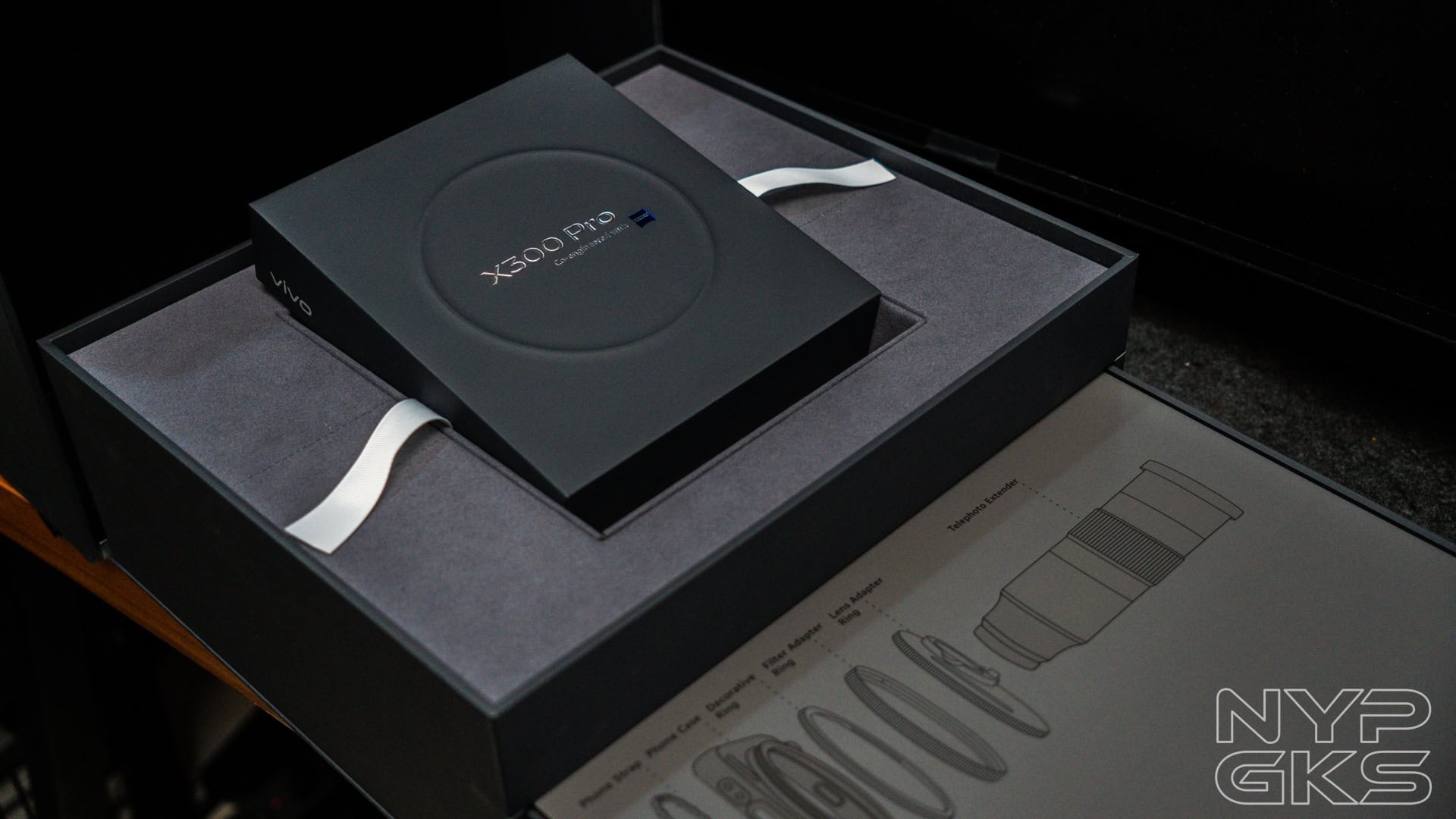

vivo’s latest offers a solid performance you’d come to expect from a flagship, and an incredibly impressive battery life and photography prowess that vivo phones are known for.
A big plus is that global units now have receive OriginOS, finally retiring the dated FuntouchOS. Pair that with a very dependable and extra-bright display, fast wired and wireless charging, extensive software support, and a durable and ergonomic build, and you get a device that could last you for years.

The audio system is good but could also be better. Also, while the photography kit is really nice, it is ludicrously expensive.
Still, we have no doubts you won’t be disappointed in getting the vivo X300 Pro, especially if you can purchase it at a discount.
vivo X300 Pro pricing and availability
The vivo X300 Pro, available in a single 16GB/512GB configuration, has an SRP of Php77,999. The vivo ZEISS Telephoto Extender Kit retails for Php12,999, while the PGYTECH Imaging Grip Kit retails for Php7,999.
Pros
- Sleek, ergonomic, durable build
- Solid performance in day-to-day tasks, gaming
- Great cameras
- Photography kit support
- Extensive software support
- Impressive battery life
Cons
- Throttling issues in endurance tests
- Speakers could be better
- Photography kit is too expensive