
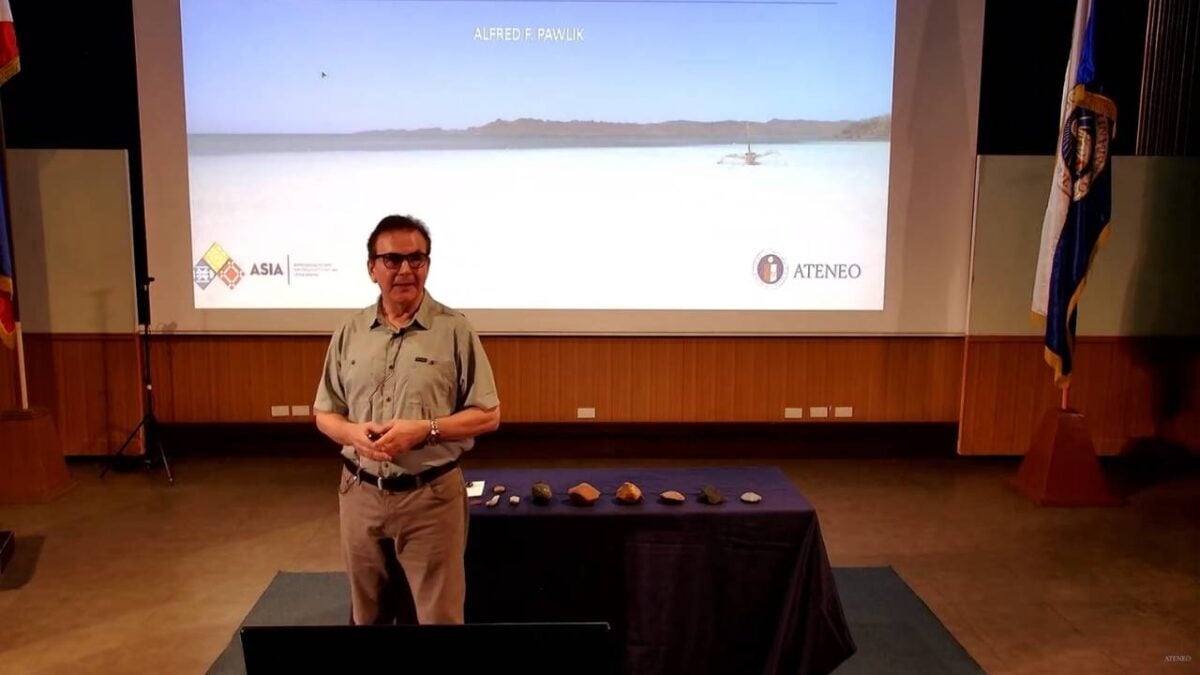

A new robot from Ateneo de Manila University is changing how researchers dig up ancient history in the Philippines.
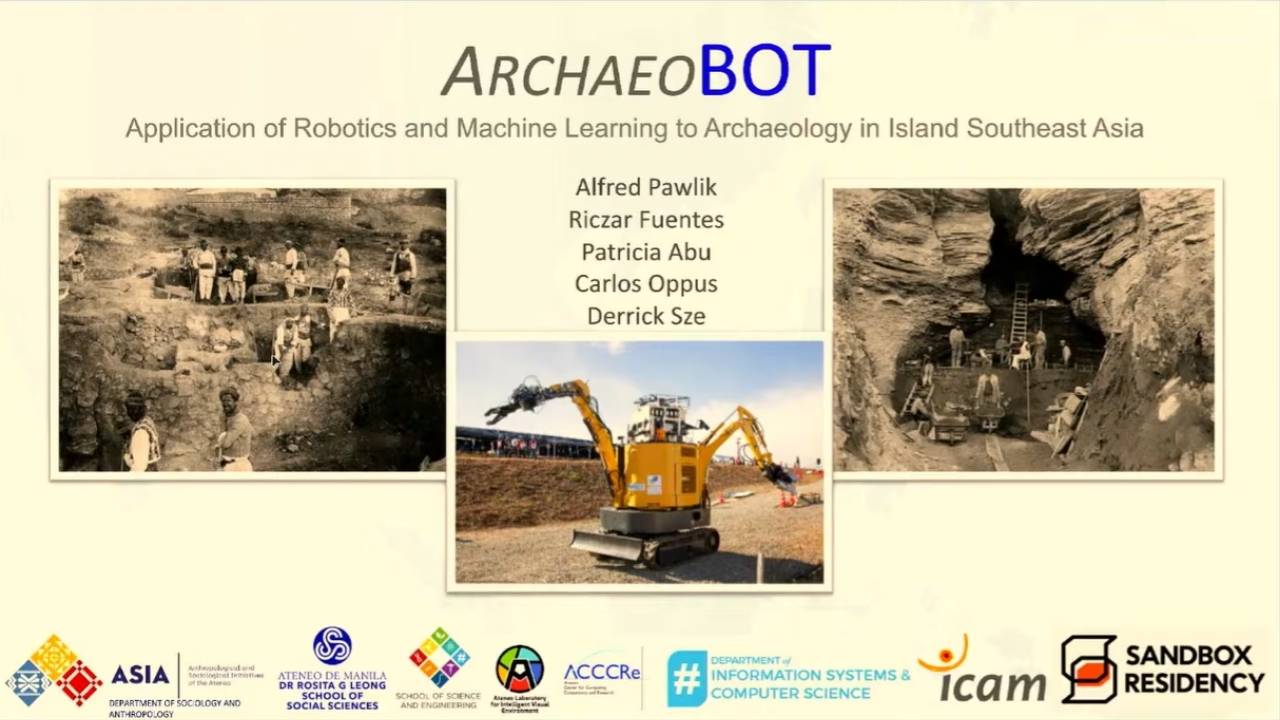
Archaeologist Dr. Alfred Pawlik shared details about a machine called ArchaeoBot from Ateneo. The robot was built with help from the university’s ALIVE lab. It uses sensors and learning software to make digs more careful and accurate than human hands alone.
The robot can spot small objects, old fireplaces, and burial spots that people might miss, especially when they are tired or working on many digging areas at once. It can also help clean, record, and store fragile finds. The goal is not to replace human experts but to give them a reliable helper.
Dr. Pawlik, who teaches at Ateneo’s Department of Sociology and Anthropology, also shared what early Filipinos left behind. He showed proof that people had reached Luzon hundreds of thousands of years ago. By around 40,000 years ago, they were already crossing between islands like Palawan and Mindoro.
These were not accidental trips. Most of the Philippine islands were never connected to the mainland, even during the Ice Age. So these journeys had to be planned on purpose.
One likely path was the “Palawan-Mindoro Corridor.” That route suggests the Philippines was a major stepping stone for human movement across Southeast Asia, not a lonely dead end.
Digs have also found bones of tuna and sharks, plus stone fishing weights and bone tools. These show that ancient communities knew how to catch big ocean fish and had advanced marine skills that lasted for many generations.
Dr. Maria Luz Vilches, the university’s Vice President for Higher Education, said at the event that anthropology gives us a window into old civilizations we could never see otherwise.
Source: Ateneo.edu