
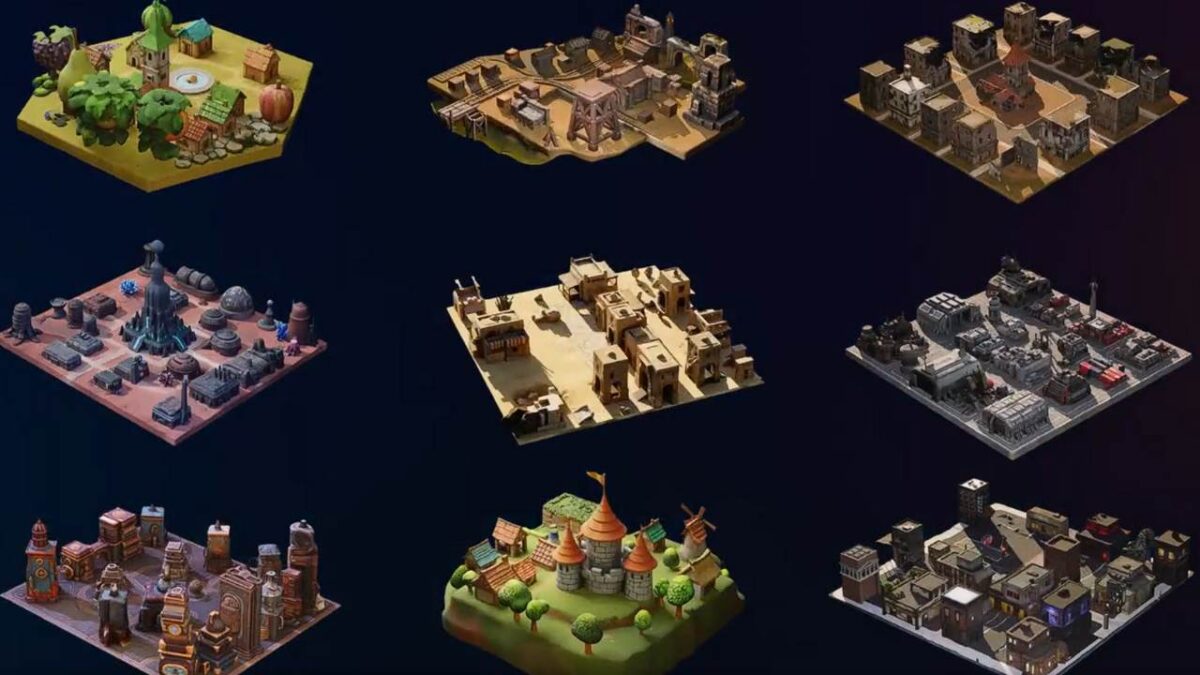

Meta has introduced an experimental artificial intelligence tool named WorldGen. This new system is designed to create complete, three-dimensional virtual environments based solely on a text prompt.
The technology generates expansive virtual spaces that users can actually move through and explore. These are not just static images or small areas; the AI can produce cohesive scenes as large as 50 meters on each side. The resulting digital worlds can be imported directly into development platforms like Unity and Unreal Engine.
The process involves multiple stages working together. The AI first plans the basic layout of the scene. It then uses a diffusion model to build the three-dimensional structures and landscapes. Finally, it automatically defines walkable areas and applies textures to create a finished, navigable space.
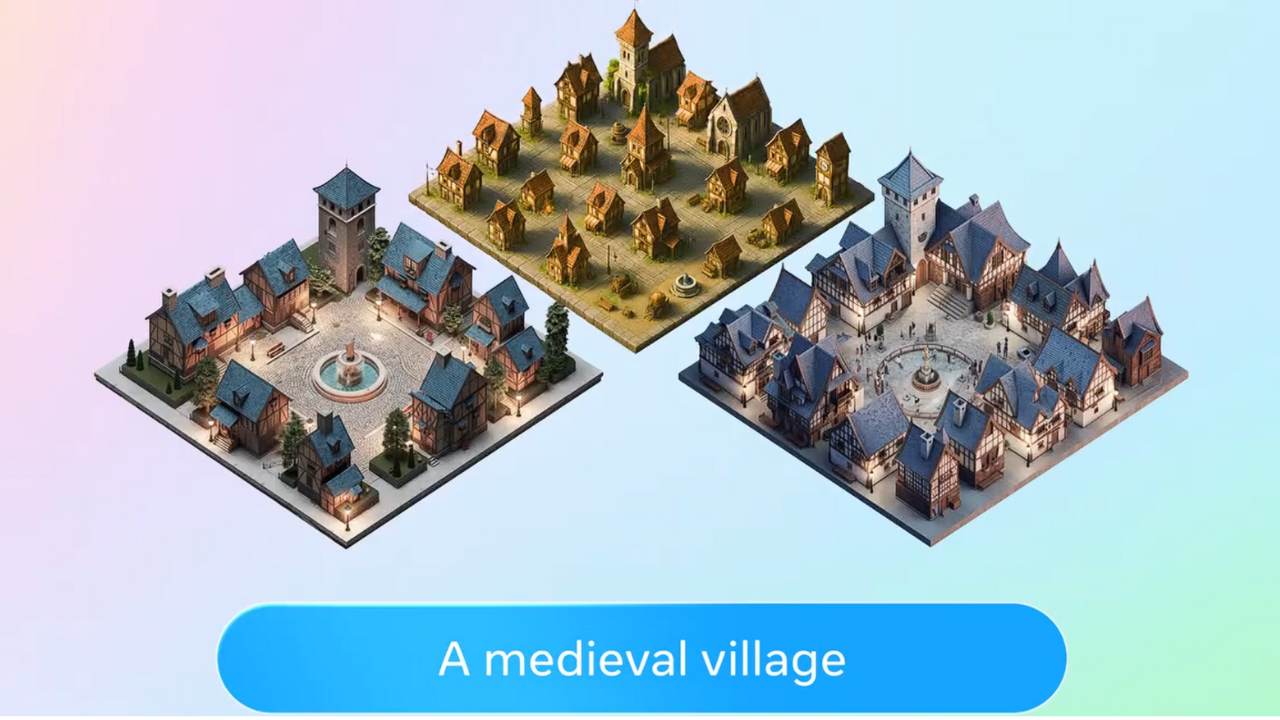
A notable feature is the tool’s ability to break a generated world into its separate components. This means items like trees, rocks, or furniture can be identified and modified individually. This gives creators more flexibility to edit and reuse the AI-generated content for their own projects.
- Meta to offer paid, ad-free subscriptions for Facebook and Instagram
- Facebook’s Gaming Creator Program is shutting down
Meta is clear that this is a research project and not a publicly available product. The system currently has important constraints. It cannot, for example, create massive, kilometer-wide landscapes. Building a very large world would require piecing together smaller sections, which could result in visible inconsistencies.

The technology also cannot design multi-story environments, such as buildings with several floors. Additionally, it does not yet use common optimization techniques, like reusing textures, which are standard in hand-crafted video games to ensure smooth performance.
While still in development, WorldGen points toward a future where designing complex virtual environments could be dramatically easier and faster.