
Intel is making a bold prediction about the future of personal computing. The company expects that within the next few years, one out of every two new PCs shipped will be an “AI PC,” capable of running advanced artificial intelligence tasks directly on the device rather than in the cloud.
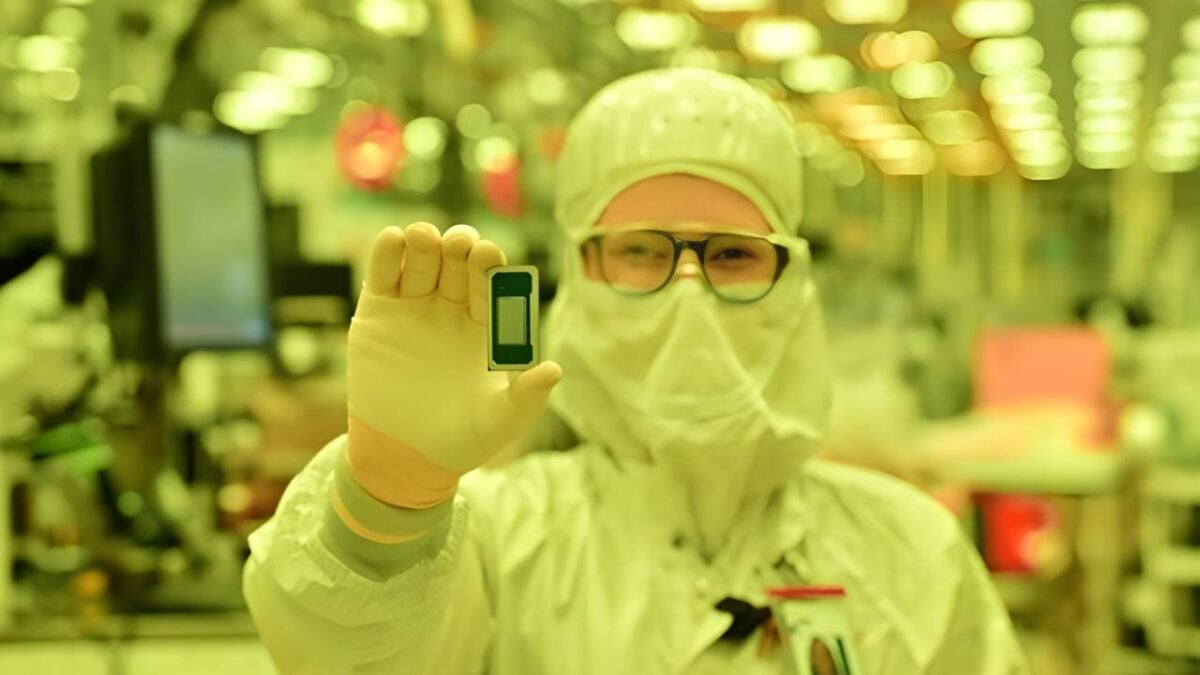
This forecast is driven by the arrival of Intel’s upcoming Panther Lake processors. According to a recent interview with Intel Japan CEO Makoto Ohno, the company believes Panther Lake will accelerate the shift toward on-device AI, making it a standard feature in the consumer market.
The key to this transition is raw computing power. Panther Lake chips will feature Intel’s fifth-generation Neural Processing Unit (NPU), a dedicated engine designed specifically to handle AI workloads. These new NPUs are expected to deliver up to 50 TOPS (trillion operations per second), a significant leap that finally provides the horsepower needed for complex AI tasks to run smoothly on a laptop or desktop without an internet connection.

- White-collar jobs to be replaced by AI within 18 months — Microsoft AI chief
- AI predicted to handle 50% of PH customer service by 2027
Until now, the AI hype has been slow to translate into practical, everyday use for most people. The majority of advanced AI development has been focused on massive data centers and frontier labs, with less attention paid to “edge” deployment running directly on user hardware. However, the hardware barrier is now being removed. With Panther Lake, PC makers will have the tools to build features that were previously impossible due to a lack of local compute power.
Intel believes this will encourage computer manufacturers to develop more useful AI-powered services. We are already seeing early examples, such as Lenovo‘s Qira, which acts as a digital twin syncing data across PCs, phones, and wearables. Intel aims to help spread this “AI fever” by making the technology more affordable and accessible, offering capable services at lower price points by processing data locally rather than in expensive data centers.
While the industry is pushing hard, the consumer reception to the “AI PC” narrative has been lukewarm so far. Many users still view on-device AI features as a gimmick with little practical value. However, Intel argues that this perception is about to change as we enter the “agentic AI” era, where AI assistants can perform complex tasks autonomously. As on-device computation becomes more powerful with Panther Lake, these features are expected to shift from novelties to integral parts of the computing experience.
Source: Wccftech