
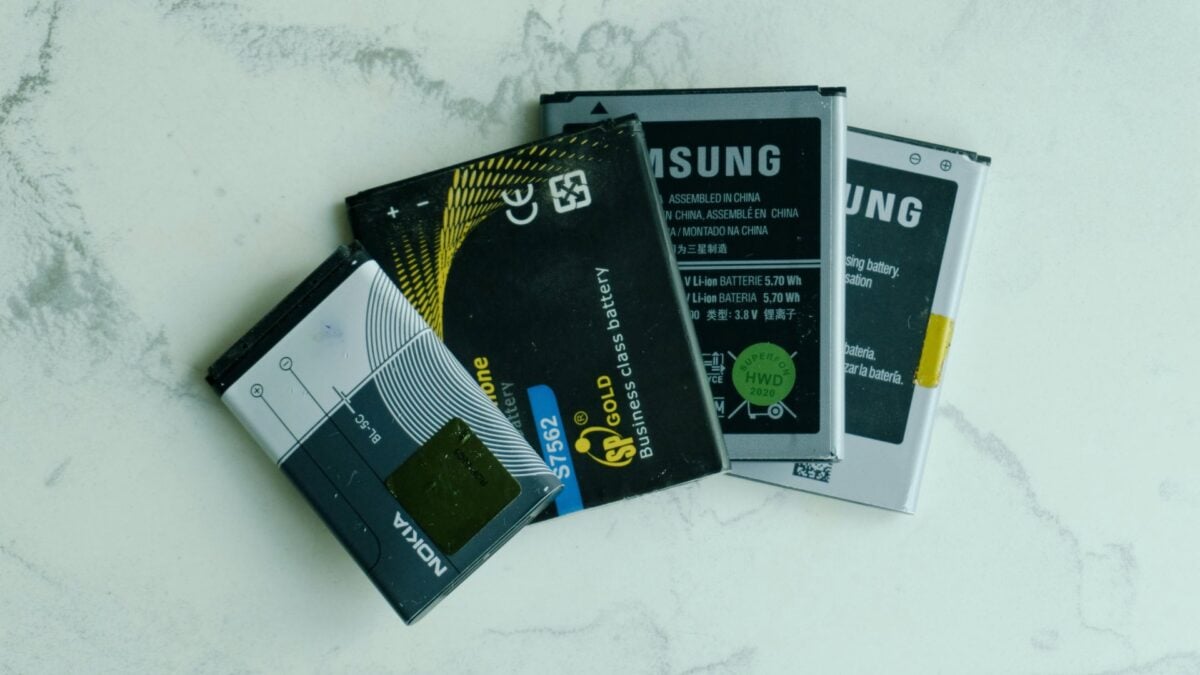

The European Union passed legislation in 2023 requiring all portable electronic devices to have user-replaceable batteries by 2027.
At first glance, the rule appears to have major implications for smartphones. However, not every device will be required to feature an easily removable battery.
An amendment to the regulation states that devices are exempt if their batteries can retain at least 83% of their original capacity after 500 charge cycles and at least 80% after 1,000 charge cycles, provided they also carry an IP rating for dust and water resistance.
In simpler terms, smartphones that can maintain at least 80% battery health after roughly three years of use and offer IP-certified water and dust resistance won’t need to adopt easily replaceable batteries.
Fortunately for manufacturers, most modern smartphones and tablets already meet these requirements. Nearly all flagship models do, and even many midrange devices are capable of achieving the same battery longevity.
As a result, the regulation is more likely to affect entry-level smartphones, which could soon feature user-replaceable batteries. Some foldable phones may also be impacted, as many current models still lack an official IP rating.
Although the law only applies within the European Union, its effects could extend far beyond the region. Manufacturers typically prefer to build a single version of a device for global markets rather than create separate designs for different regions. If companies choose to comply worldwide, the redesign could affect smartphones sold outside Europe as well.
However, adopting user-replaceable batteries may also require more complex engineering and manufacturing, which could contribute to higher production costs—and potentially higher retail prices.
Are you in favor of this rule? Let us know in the comments.