
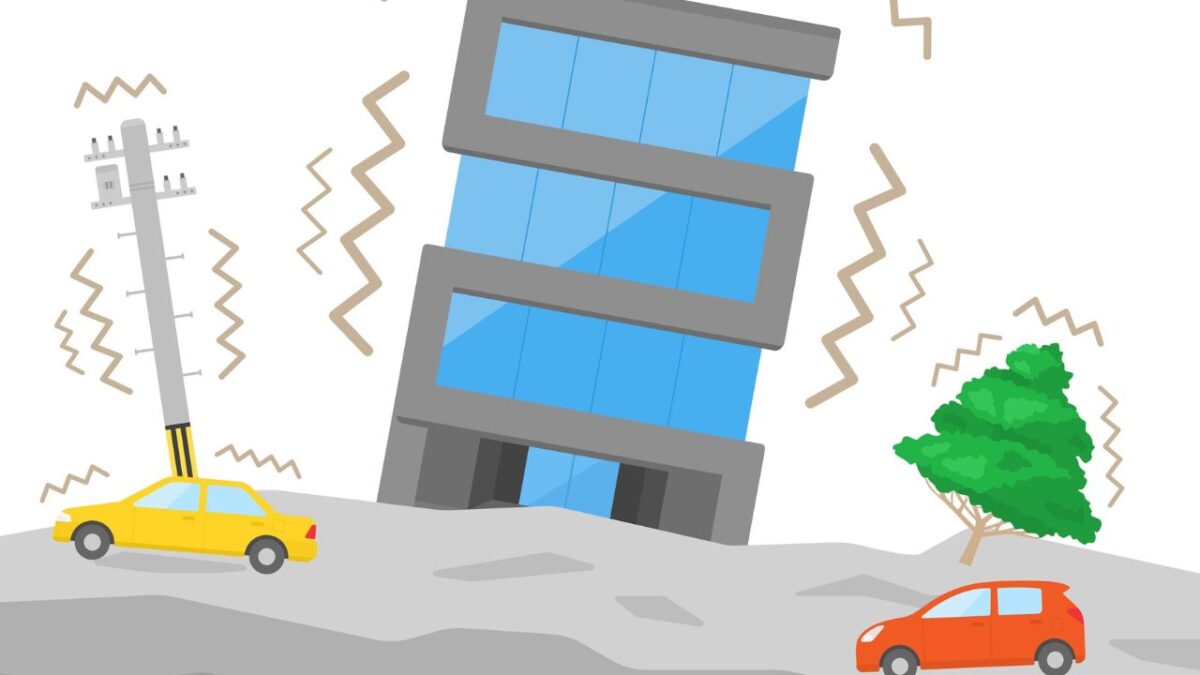
Feeling nervous every time the ground shakes is a common reality for Filipinos. Many people lie awake at the thought of the next big earthquake, unsure if the walls around them offer real protection. To address this deep-seated anxiety, the country’s top earthquake experts have created a simple, accessible tool for Filipinos.
A free application from the Philippine Institute of Volcanology and Seismology (PHIVOLCS) allows Filipinos to perform a preliminary check on their home’s structural strength.
The app, called “How Safe is My House?”, first became available to the public in 2021. It is specifically calibrated for common types of Filipino residence: single or two-level homes built from concrete hollow blocks.
The core mission of this digital platform is public empowerment. It transforms complex engineering concepts into a user-friendly questionnaire, guiding people toward a better understanding of their own living spaces. The process demystifies building safety and highlights the importance of proper construction techniques.

- How to enable Emergency SOS alerts on Android and iOS
- 10 gadgets you should have in your home emergency kit
To generate a report, homeowners answer a sequence of questions about their property. These inquiries cover the building’s age, its design characteristics, the quality of materials used, and signs of wear or damage.
After the questionnaire is completed, the “How Safe is My House?” app delivers a customized analysis. This includes a risk level indicator and an animated scenario showing how the structure might cope with severe tremors. Most importantly, it provides a list of actionable steps owners can consider improving their home’s durability.
PHIVOLCS is clear that this digital evaluation is a first look, not a substitute for an expert’s opinion. Its value lies in identifying potential red flags and encouraging those with low scores to consult a qualified structural engineer for a definitive assessment. This process helps families move from uncertainty to a clear plan of action.
Want to try the “How Safe Is My House?” app? You may access it at howsafeismyhouse.phivolcs.dost.gov.ph.