
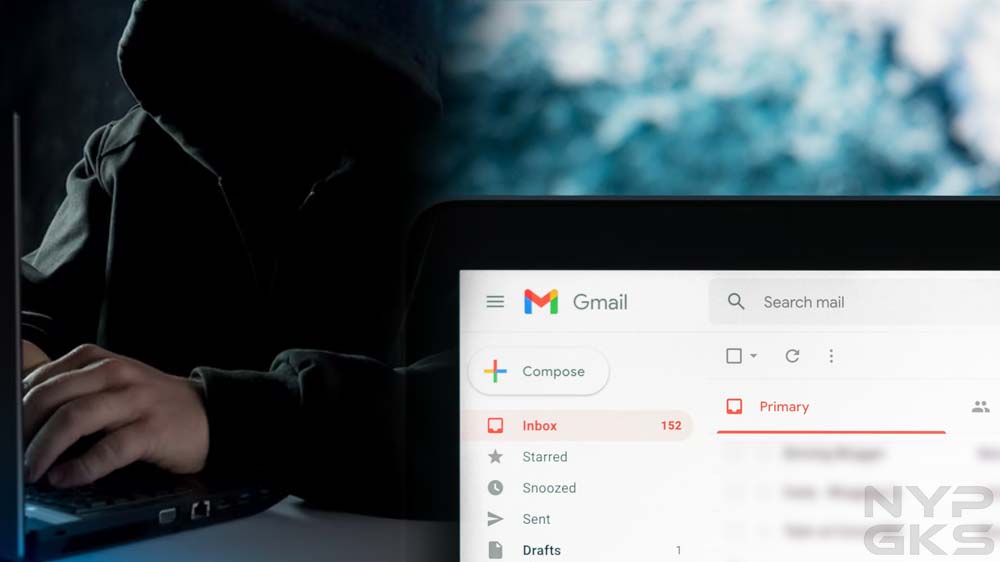
One random Tuesday, I noticed an email with a subject line that said, “Do you do any of these embarrassing things?” The first thing that came to my mind was that this was spam. Gmail did put it in my spam folder. Normally, I would’ve simply deleted the message and moved on, but there was one thing that really concerned me: the email was sent from my own email address. Have I been hacked?
Email Spoofing
After digging up some information online, I learned this message was sent using a spamming technique called email spoofing. Through some software, spammers and fraudsters can forge email headers and make an email client application display any sender address in the “From” field they want recipients to see. A closer inspection of the email header usually exposes the forgery.
Your connections may also receive spoofed messages that appear to be sent by you. Fraudsters know that people tend to be less suspicious of messages that come from friends, family, and other known contacts, which means they’re more likely to click on potentially malicious links and attachments due to a false sense of trust.
Signs That Indicate Your Email Account Was Hacked
With email spoofing, scammers can make it appear they sent an email using your own email address, but that doesn’t mean they’ve gained access to it. In my case, the fraudster claimed my device was hacked. They also claimed they obtained my personal information, which they would immediately delete immediately if I pay them via Bitcoin. It all seemed intimidating, but I didn’t give in to their demands.
Instead, I went through the checklist below to see if my email account hadn’t been accessed without authorization by a third party. Should you feel your email account was hacked, here’s what you can check to confirm it:

1. Can you no longer access your account? Hackers usually change your password to lock you out of your account.
2. Is there suspicious activity in the login history? See if your email client has alerted you of an unusual sign-in on a new device or a different IP address. Popular services such as Gmail and Yahoo! Mail record your account login activity for your reference.
3. Do you see changes to your email client’s settings? Look for any changes you didn’t make. For instance, see if your filters have been changed, if automatic forwarding has been set up to forward your messages to an unknown destination, or if your username or other account information has changed.
4. Are there missing or unexpected messages? Your account may show activity you didn’t make. Your sent folder may have messages you didn’t write. Your inbox may have new messages that appear to have been read already. Messages that used to be in your inbox may be displaced or deleted.
5. Are there new apps or services connected to your account? Hackers may use your email account to subscribe to online services and apps.
How Fraudsters Learn Your Email Address
If, like in my case, you received a spoofed message that supposedly came from your own email address, you might be wondering how fraudsters got hold of your email address in the first place. Perhaps your email address is displayed publicly and indexed by search engines. Or your email address is exposed by a data breach. Services you subscribed to may have sold your email address to their partners without your permission.
These days, it’s easy for your email address to get out and end up in the hands of hackers. The best you can do is to protect your email account and ensure it’s not accessed by anyone without your permission. Use a strong password, enable two-factor authentication, and regularly monitor for suspicious activities.
Write more, thats all I have to say. Literally, it seems
as though you relied on the video to make your point.
You definitely know what youre talking about, why throw away your intelligence
on just posting videos to your site when you could be giving
us something enlightening to read?
Write more, thats all I have to say. Literally, it seems as though you relied on the video to make your point.
You obviously know what youre talking about, why throw away your intelligence on just posting videos to your weblog
when you could be giving us something enlightening
to read?
Magnificent beat ! I wish to apprentice even as you amend your site, how can i subscribe for a
blog web site? The account helped me a appropriate deal.
I were tiny bit familiar of this your broadcast offered brilliant clear idea
This design is spectacular! You obviously know how to keep a reader amused.
Between your wit and your videos, I was almost moved to start my own blog (well, almost…HaHa!) Fantastic job.
I really enjoyed what you had to say, and more than that, how you presented it.
Too cool!
What’s up, just wanted to say, I liked this article.
It was helpful. Keep on posting!
Kasyno Payment bez Depozytu za Rejestracje to jedna z
najbardziej popularnych visualize promocji oferowanych
przez legalne platformy hazardowe online. Tego
typu fringe benefit pozwala nowym uzytkownikom rozpoczac gre bez koniecznosci
wplacania wlasnych srodkow na konto. Wystarczy zazwyczaj zalozenie konta oraz spelnienie okreslonych warunkow
regulaminowych, aby otrzymac darmowe srodki lub darmowe
obroty na wybranych automatach. Dla wielu graczy jest to atrakcyjna mozliwosc sprawdzenia funkcji
kasyna bez ponoszenia dodatkowych kosztow.
Way cool! Some extremely valid points! I appreciate you penning this write-up and the
rest of the website is very good.
Hey this is kinda of off topic but I was wondering if blogs use WYSIWYG editors or if you have to
manually code with HTML. I’m starting a blog soon but have no coding
experience so I wanted to get guidance from someone with experience.
Any help would be greatly appreciated!
I just like the valuable information you supply for your articles.
I’ll bookmark your blog and take a look at once more right here regularly.
I’m slightly sure I’ll learn plenty of new stuff right here!
Best of luck for the next!
Hurrah, that’s what I was exploring for, what a data!
present here at this webpage, thanks admin of this web
page.