
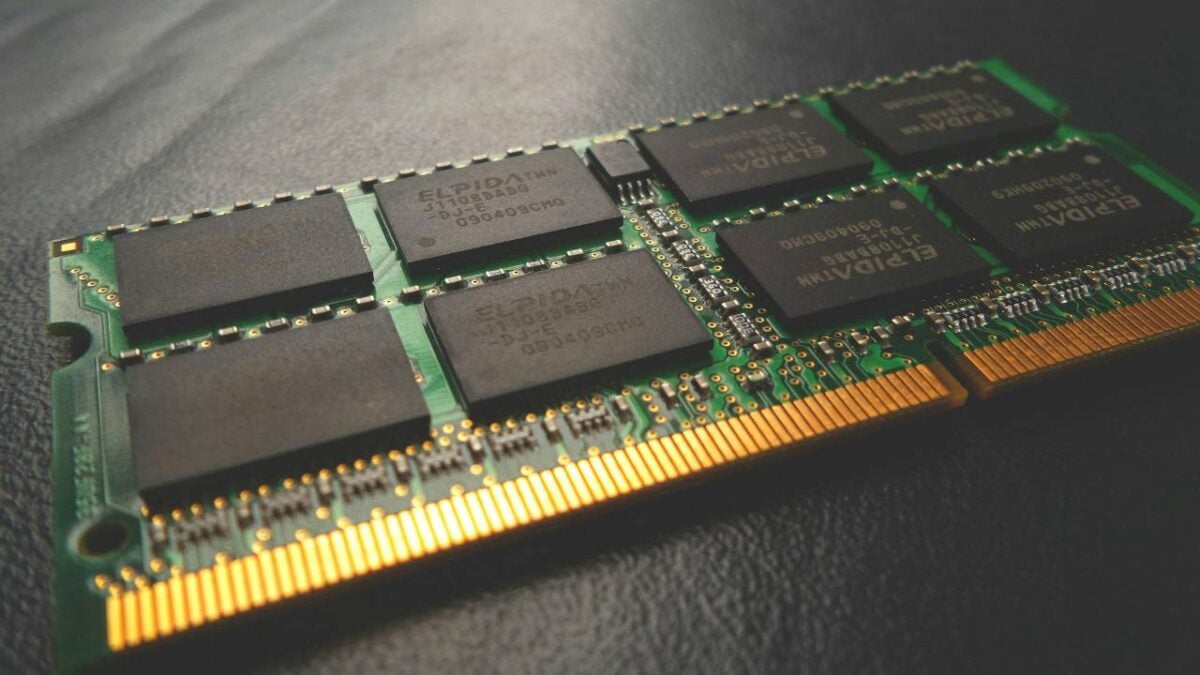
Prices for DDR2 memory, a standard introduced in 2003, shot up by up to 60% between April and June of this year. Market analysts at TrendForce say things will get worse, with another 35% to 40% jump expected in the next three months.
So how did a two-decade-old chip become a hot commodity? The answer lies in the Artificial Intelligence (AI) boom. Big manufacturers like Samsung, SK Hynix, and Micron have moved their production lines to make expensive, high-performance memory for AI servers. These chips earn them far bigger profits than the regular memory used in everyday gadgets.
That change has created a domino effect. With fewer standard chips available, prices for newer RAM like DDR5 and DDR4 went up first. Companies that make electronics started looking for cheaper, older alternatives to keep their products affordable. They moved from DDR4 to DDR3, and then from DDR3 to DDR2. Now, even that ancient backup option is running low.

The situation is made worse by the fact that only a couple of Taiwanese firms, Winbond and ESMT, still produce DDR2 RAM. Winbond is slowly phasing out production to focus on more profitable chips. ESMT is trying to fill the gap by ramping up its own DDR2 output, but it cannot keep up with the falling supply.
To keep up with the demand, SK Hynix has promised to double its production capacity over the next five years, and Micron says its new plant in Virginia will be up and running by 2027 or 2028. A Chinese manufacturer, CXMT, has started supplying newer DDR5 chips to Western brands, but it is also diverting a fifth of its own capacity to AI memory because the profits are too good to ignore.
Via: The Register
w9pn8z