
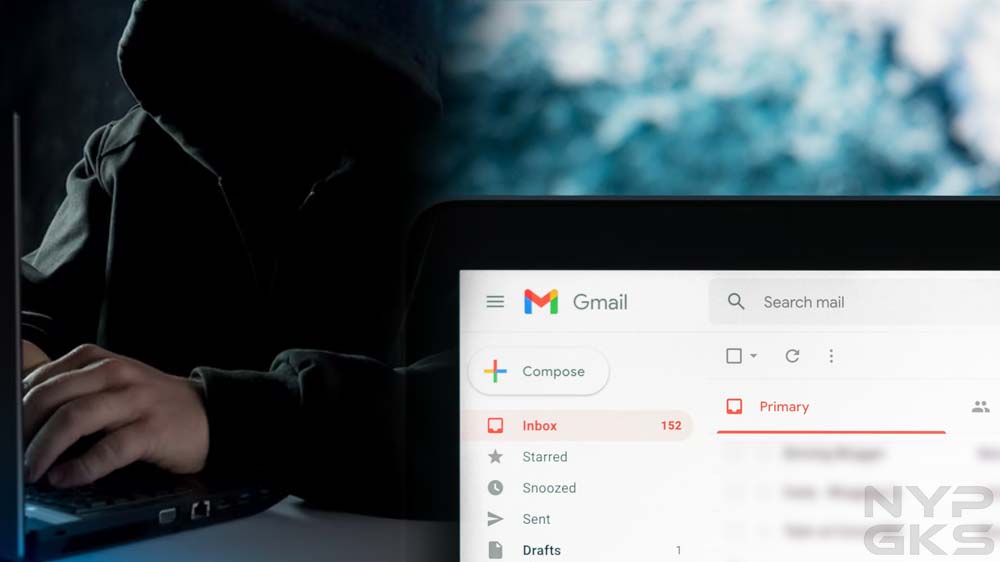
One random Tuesday, I noticed an email with a subject line that said, “Do you do any of these embarrassing things?” The first thing that came to my mind was that this was spam. Gmail did put it in my spam folder. Normally, I would’ve simply deleted the message and moved on, but there was one thing that really concerned me: the email was sent from my own email address. Have I been hacked?
Email Spoofing
After digging up some information online, I learned this message was sent using a spamming technique called email spoofing. Through some software, spammers and fraudsters can forge email headers and make an email client application display any sender address in the “From” field they want recipients to see. A closer inspection of the email header usually exposes the forgery.
Your connections may also receive spoofed messages that appear to be sent by you. Fraudsters know that people tend to be less suspicious of messages that come from friends, family, and other known contacts, which means they’re more likely to click on potentially malicious links and attachments due to a false sense of trust.
Signs That Indicate Your Email Account Was Hacked
With email spoofing, scammers can make it appear they sent an email using your own email address, but that doesn’t mean they’ve gained access to it. In my case, the fraudster claimed my device was hacked. They also claimed they obtained my personal information, which they would immediately delete immediately if I pay them via Bitcoin. It all seemed intimidating, but I didn’t give in to their demands.
Instead, I went through the checklist below to see if my email account hadn’t been accessed without authorization by a third party. Should you feel your email account was hacked, here’s what you can check to confirm it:

1. Can you no longer access your account? Hackers usually change your password to lock you out of your account.
2. Is there suspicious activity in the login history? See if your email client has alerted you of an unusual sign-in on a new device or a different IP address. Popular services such as Gmail and Yahoo! Mail record your account login activity for your reference.
3. Do you see changes to your email client’s settings? Look for any changes you didn’t make. For instance, see if your filters have been changed, if automatic forwarding has been set up to forward your messages to an unknown destination, or if your username or other account information has changed.
4. Are there missing or unexpected messages? Your account may show activity you didn’t make. Your sent folder may have messages you didn’t write. Your inbox may have new messages that appear to have been read already. Messages that used to be in your inbox may be displaced or deleted.
5. Are there new apps or services connected to your account? Hackers may use your email account to subscribe to online services and apps.
How Fraudsters Learn Your Email Address
If, like in my case, you received a spoofed message that supposedly came from your own email address, you might be wondering how fraudsters got hold of your email address in the first place. Perhaps your email address is displayed publicly and indexed by search engines. Or your email address is exposed by a data breach. Services you subscribed to may have sold your email address to their partners without your permission.
These days, it’s easy for your email address to get out and end up in the hands of hackers. The best you can do is to protect your email account and ensure it’s not accessed by anyone without your permission. Use a strong password, enable two-factor authentication, and regularly monitor for suspicious activities.
Superb, what a website it is! This web site provides
helpful data to us, keep it up.
I was able to find good information from your blog posts.
Hey I am so grateful I found your blog, I
really found you by mistake, while I was searching on Yahoo for
something else, Anyhow I am here now and would just like to
say thank you for a fantastic post and a all round interesting
blog (I also love the theme/design), I don’t have time to go through it all at the
moment but I have bookmarked it and also added in your
RSS feeds, so when I have time I will be back to read a lot more,
Please do keep up the great work.
Thanks for this helpful article! I’ve been looking for natural ways to support
balanced daily wellness and my overall wellness and this gave me some useful ideas to think about.
Appreciate you sharing it.
Fastidious answer back in return of this query
with genuine arguments and describing all concerning that.
I’ve been surfing on-line more than 3 hours as of late, yet I by no means
discovered any interesting article like yours. It is lovely price
enough for me. In my opinion, if all webmasters and bloggers made good
content as you did, the net will probably be
much more useful than ever before.
Hey veгy nice blog!
Hi there would you mind letting me know which hosting company you’re using?
I’ve loaded your blog in 3 different internet browsers and I must
say this blog loads a lot quicker then most. Can you recommend a good
web hosting provider at a fair price? Cheers, I appreciate it!
My programmer is trying to persuade me to move to .net from PHP.
I have always disliked the idea because of the costs. But he’s tryiong
none the less. I’ve been using WordPress on a number of
websites for about a year and am anxious about switching to another platform.
I have heard excellent things about blogengine.net. Is there a way I can import
all my wordpress content into it? Any help would be greatly appreciated!
This is a very informative post about online casinos and betting platforms.
I especially liked how it explains the importance of choosing a
secure site before signing up.
Many players often ask where they can find reliable gaming platforms with fair odds and smooth payouts.
From what I’ve seen, checking platforms like vn22vip helps users compare
features, bonuses, and overall experience.
Thanks for sharing these insights — they’re helpful for both beginners and experienced bettors.